

Date: Aug 08, 2026
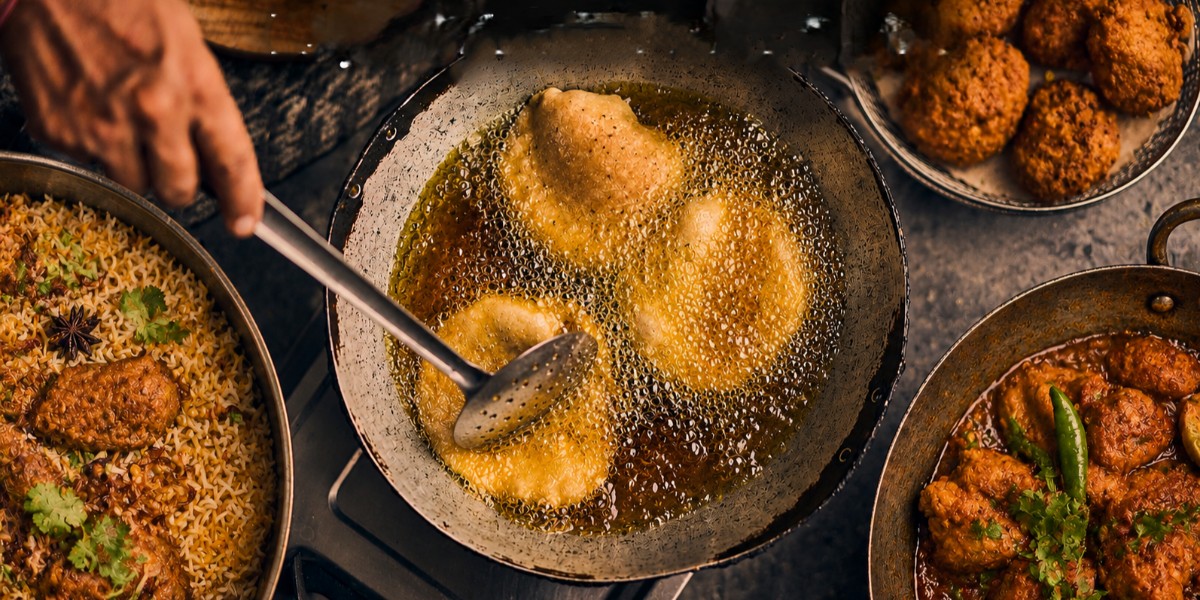
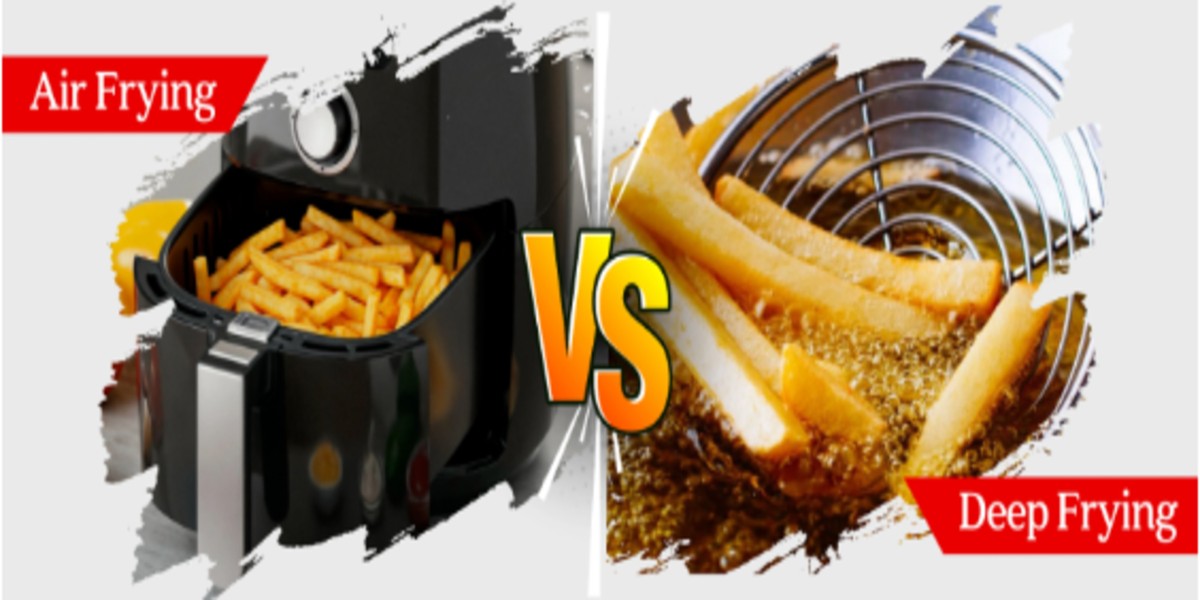
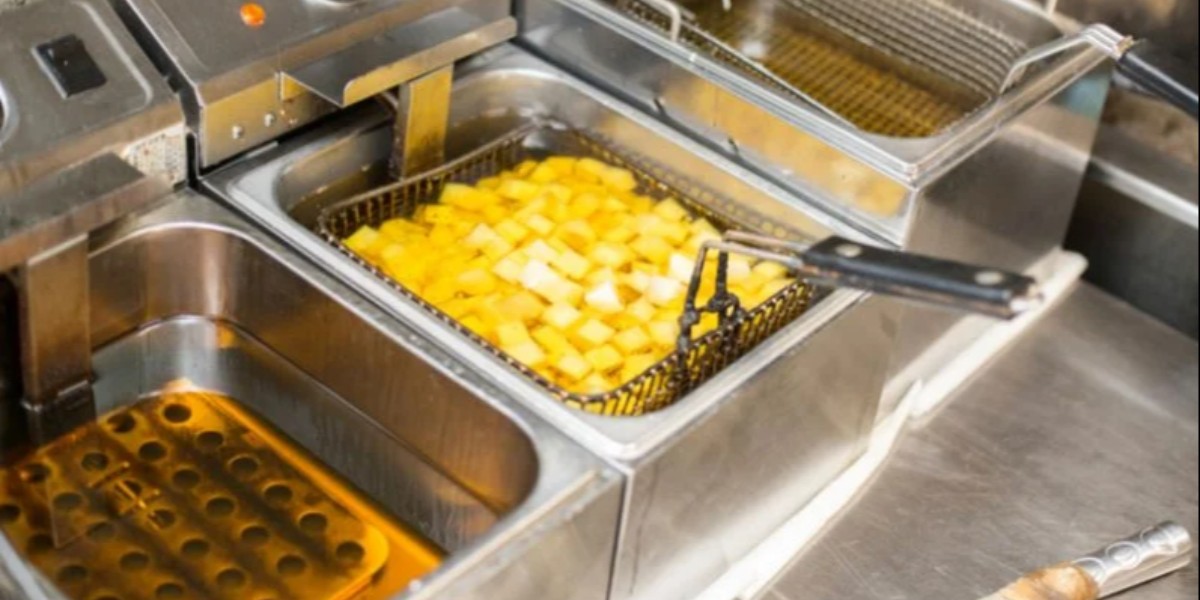
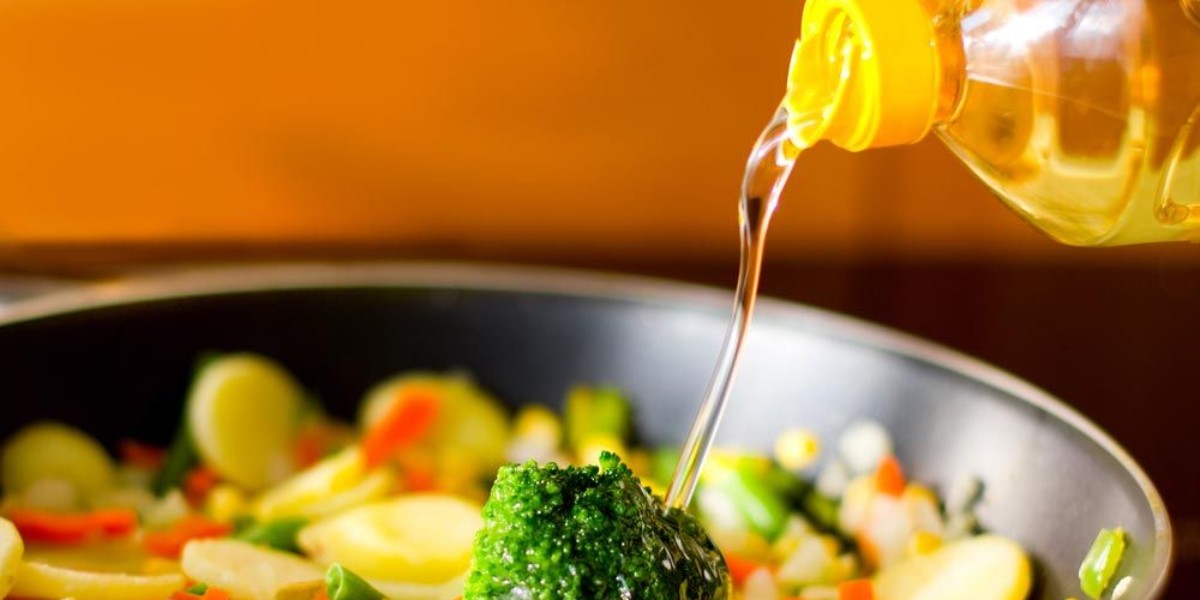
Deep frying is a staple technique in kitchens around the world, producing crisply fried pakoras, golden French fries, and tender cutlets. However, after frying a batch of food, home cooks often face a common dilemma: what should be done with the leftover cooking oil?
While reusing cooking oil can help stretch household grocery budgets, doing so incorrectly can ruin the flavor of your meals and pose potential health risks. Knowing how to properly handle, filter, store, and inspect used oil ensures that your kitchen runs efficiently without compromising on food safety or taste.
Every time oil is exposed to high heat, moisture, and oxygen, its chemical structure changes. Understanding this process helps explain why oil degrades over time.
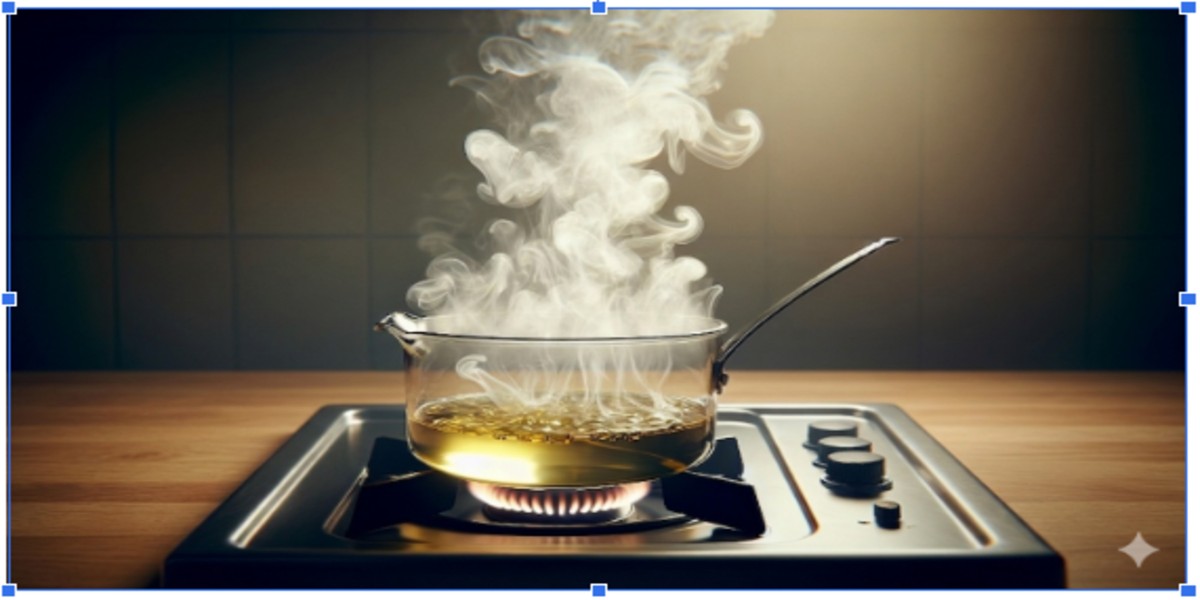
Exposure to sustained high temperatures breaks down triglyceride molecules in cooking oil, lowering its smoke point, the temperature at which the oil begins to burn and produce visible smoke.
As oil degrades, it creates free fatty acids and oxidation byproducts that can impart a bitter, burnt taste to your food.
Small bits of batter, breadcrumbs, or seasoning left behind in hot oil continue to burn every time the heat is turned back on. These charred specks accelerate the breakdown of the surrounding oil, darkening its color and causing it to deteriorate much faster.
Reusing oil safely depends entirely on the type of food you fried, the temperature maintained during cooking, and how the oil was filtered and stored afterward.
To maximize the usable lifespan of your oil:
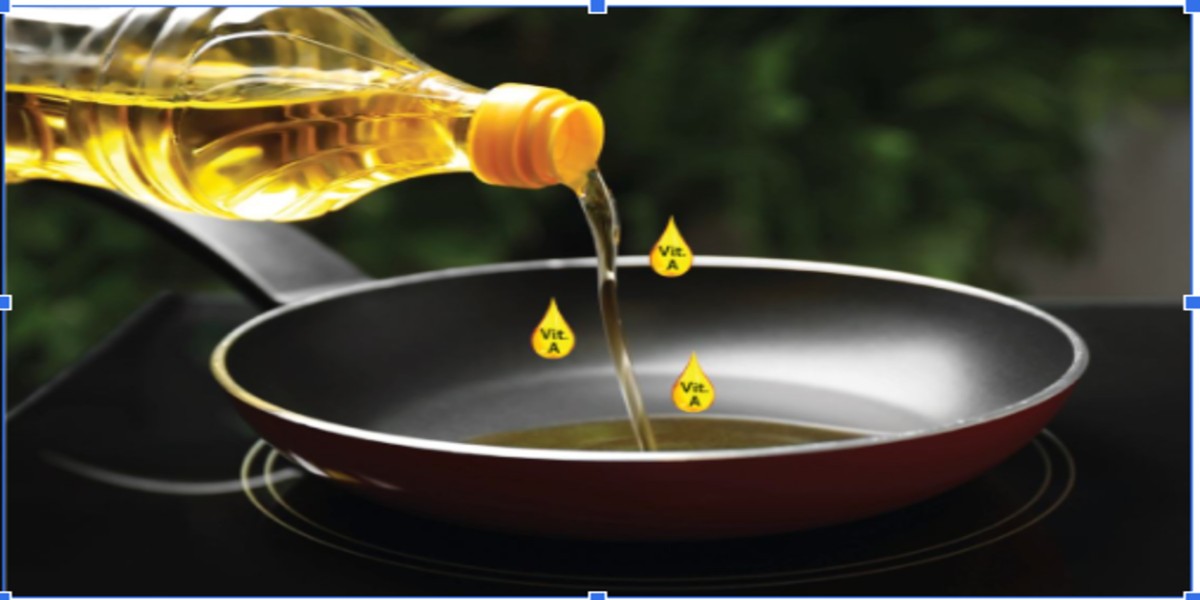
The quality of the initial product determines how well it withstands multiple cooking sessions. Premium cooking oils that undergo rigorous refining processes maintain higher smoke points and superior stability.
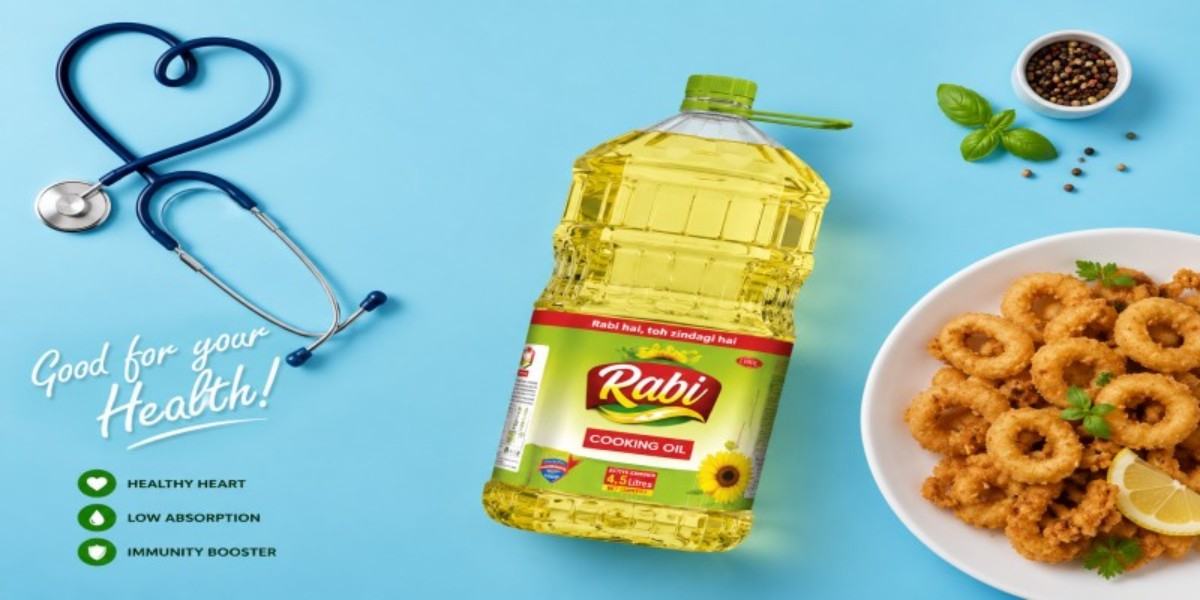
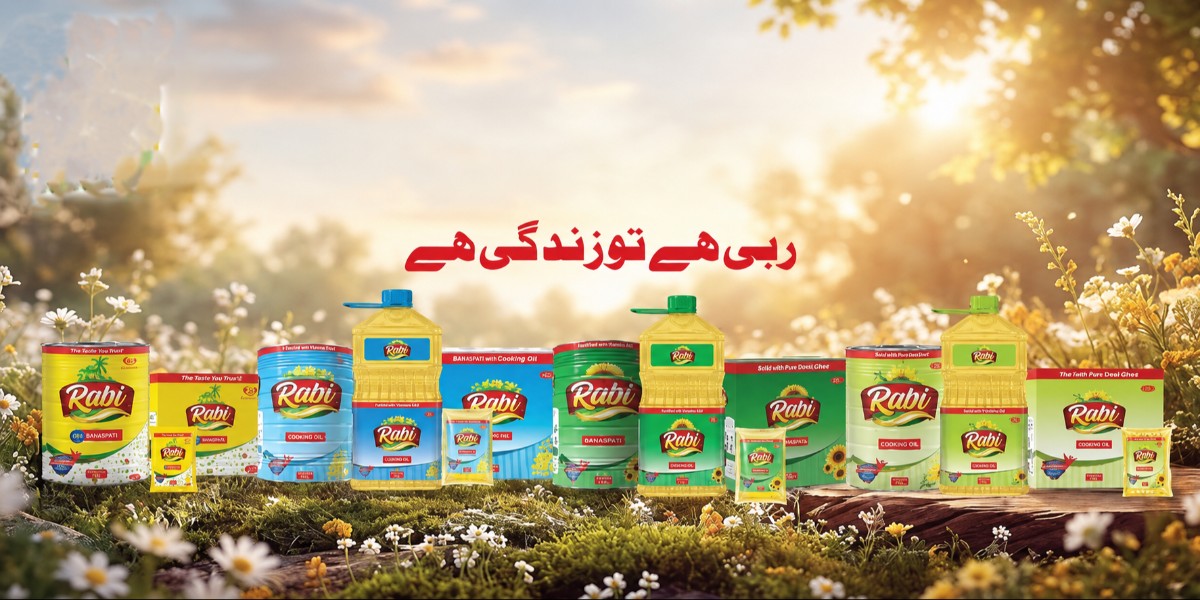
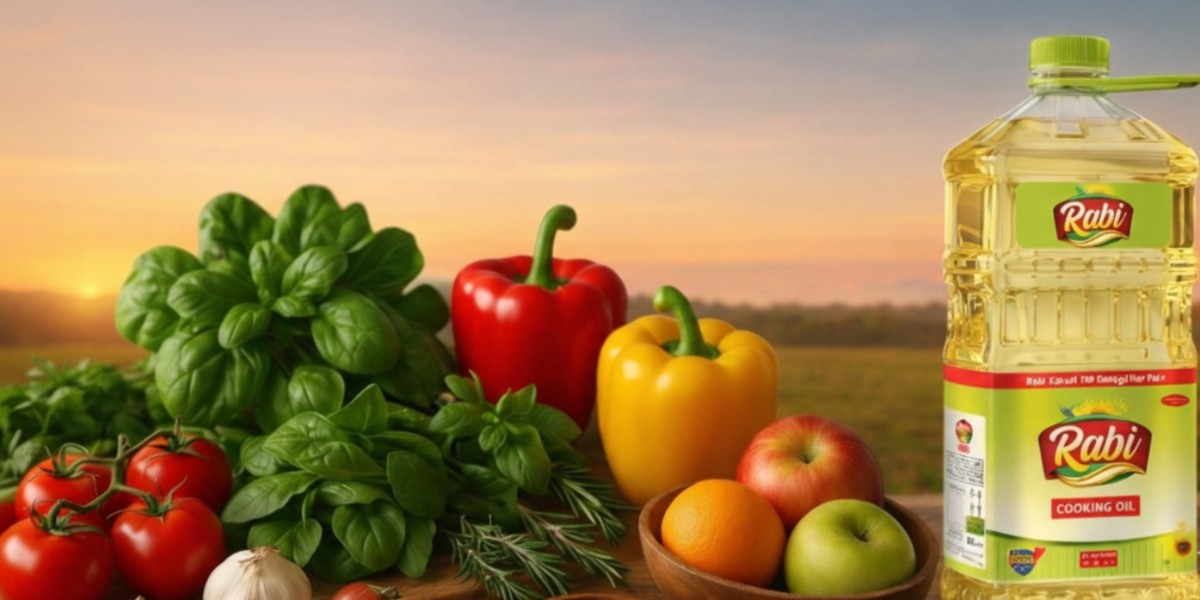
Brands like Rabi Foods focus on delivering high-purity edible oils formulated to handle high-temperature cooking without breaking down prematurely.
To explore a complete range of banaspati ghee and double-refined cooking oils crafted for daily kitchen needs, consumers can view the official Products lineup.
No matter how carefully you filter and store your oil, it cannot be reused indefinitely. Discard your used cooking oil immediately if you notice any of the following warning signs:
Ensuring that cooking oil remains safe, nutritious, and heat-stable requires a combination of advanced industrial refining and smart kitchen habits.
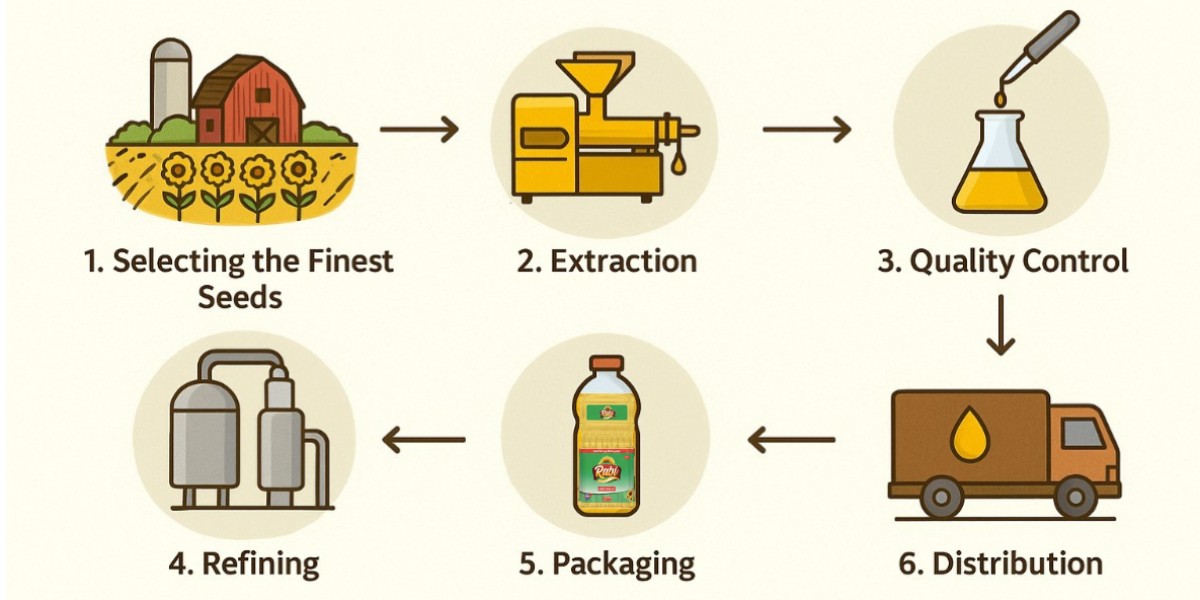
State-of-the-art refining technologies play a crucial role in removing impurities, neutralizing free fatty acids, and ensuring consistent smoke points across commercial product lines.
Understanding how modern automated processing preserves natural nutrients while enhancing thermal stability can be explored by examining advanced processing Technology frameworks.
Cooking efficiently isn't just about managing oil; it's about mastering kitchen techniques that save time and elevate flavor.
For home cooks seeking practical kitchen hacks, healthy meal ideas, and traditional recipes optimized for smart oil usage, visiting the dedicated Rabi Kitchen offers valuable culinary inspiration for everyday cooking.
Reusing cooking oil safely is a practical skill that balances kitchen economy with health awareness. By using high-quality refined oils, filtering out food particles after every use, storing oil in cool, airtight containers, and discarding it at the first sign of rancidity or foaming, you can enjoy delicious, perfectly fried meals while keeping your family's health protected