

Date: Jan 05, 2026

Choosing the right cooking oil is one of the simplest yet most important decisions you can make for your family’s everyday health. With so many options on the market, understanding what makes a cooking oil healthy helps you cook nutritious meals without compromising on taste. This complete guide explains the key factors that define a healthy cooking oil and offers practical tips for families who want better nutrition from their daily meals.
Every cooking oil contains fats, but not all fats are created equal. The type of fat in an oil greatly influences its impact on your health.
A healthy cooking oil should have a higher proportion of unsaturated fats and very low or no trans fats.
The smoke point of an oil is the temperature at which it begins to smoke and break down. When oil reaches its smoke point, it can lose nutritional quality and produce harmful compounds.
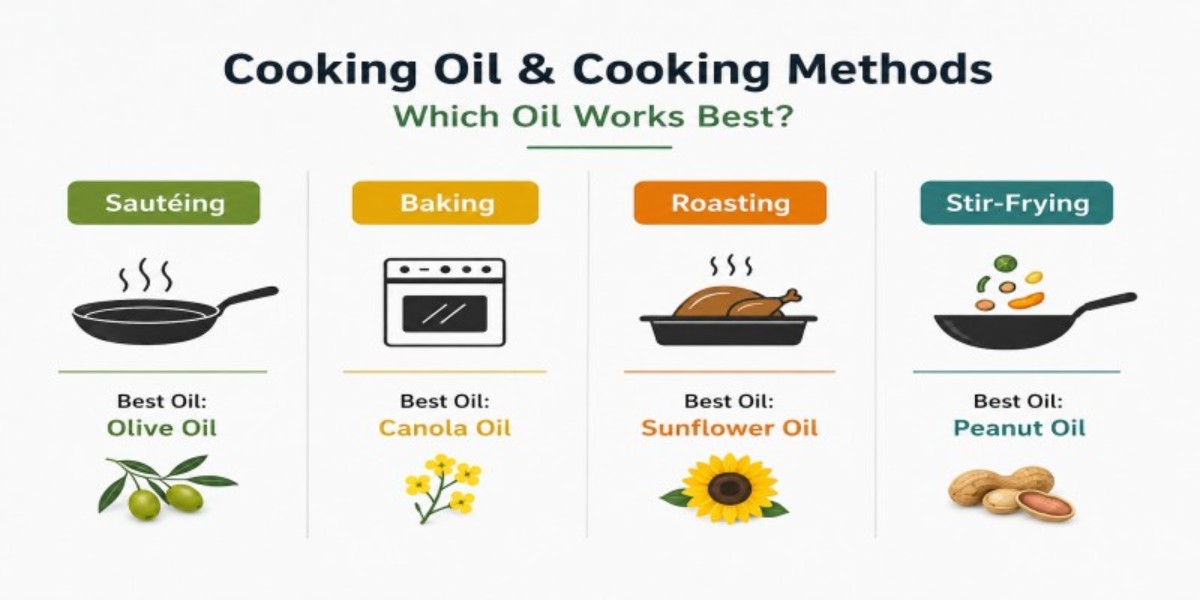
Choosing an oil with a suitable smoke point for your cooking style helps preserve nutrients and prevents harmful chemical changes during heating.
Healthy cooking oils should retain their natural nutrients and beneficial compounds after processing. Some oils contain natural antioxidants like vitamin E and plant sterols. These antioxidants help protect cells and support overall wellness.
Unrefined or cold-pressed oils may retain more natural nutrients, but refined oils with balanced composition and stability are better for everyday cooking.
Healthy cooking oils should not overpower the natural taste of food. Oils with a light, pleasant flavor are easier to digest and more suitable for family meals. Heavy or overly strong oils can change the taste of dishes and may not be comfortable for daily use.
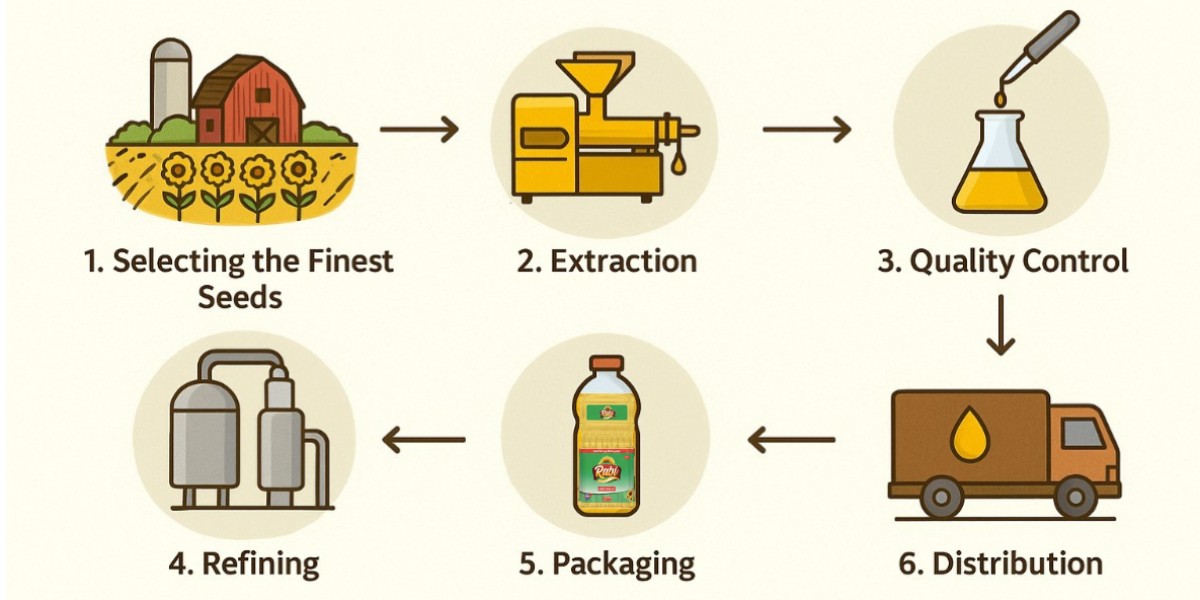
How an oil is processed influences its quality. Oils that undergo excessive chemical processing may lose nutritional value and contain residues. Healthier oils are processed with care to preserve natural properties and ensure purity.
Refined oils that are produced under strict quality standards offer a good balance between stability and nutrition.
Even the healthiest cooking oil should be used in moderation. Oils are calorie-dense, and overuse can lead to excess calorie intake. A balanced diet with measured use of oil supports healthy weight management and overall well-being.
Using measured amounts while cooking and avoiding excessive deep-frying helps you make the most of healthy oil.
Choosing a healthy cooking oil doesn’t need to be complicated. Here are simple tips families can follow:
When you understand what makes a cooking oil healthy, you can confidently select the best option for your kitchen and family meals.
Healthy cooking oils support heart health, digestion, and better overall nutrition without sacrificing flavor. By checking fat composition, smoke point, processing quality, and nutrient content, families can make smarter choices for daily cooking. Choosing the right oil is a simple change that can make a big difference in long-term wellness and the joy of home-cooked meals. Read more