

Date: Aug 20, 2026
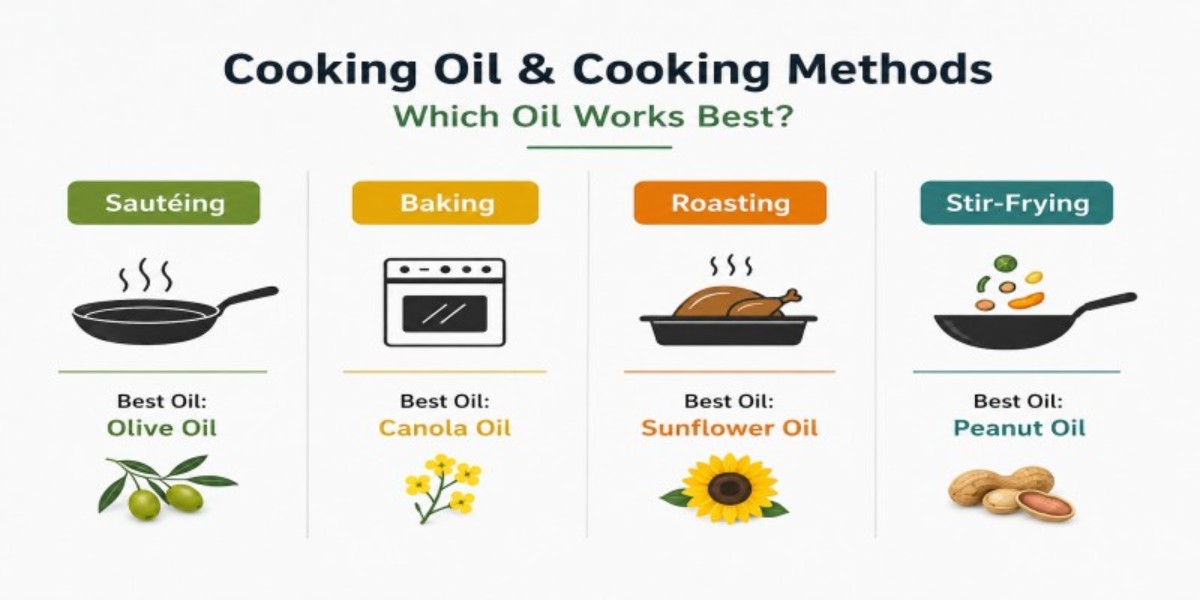
Every culinary technique places unique demands on your ingredients, and cooking oil is no exception. From low-heat simmering to blistering-hot wok frying, choosing the right oil for a specific cooking method can mean the difference between a golden, delicious meal and a burnt, smoky kitchen.
Understanding smoke points, flavor profiles, and thermal stability allows home cooks to select the perfect cooking medium for sautéing, baking, roasting, and stir-frying every time.
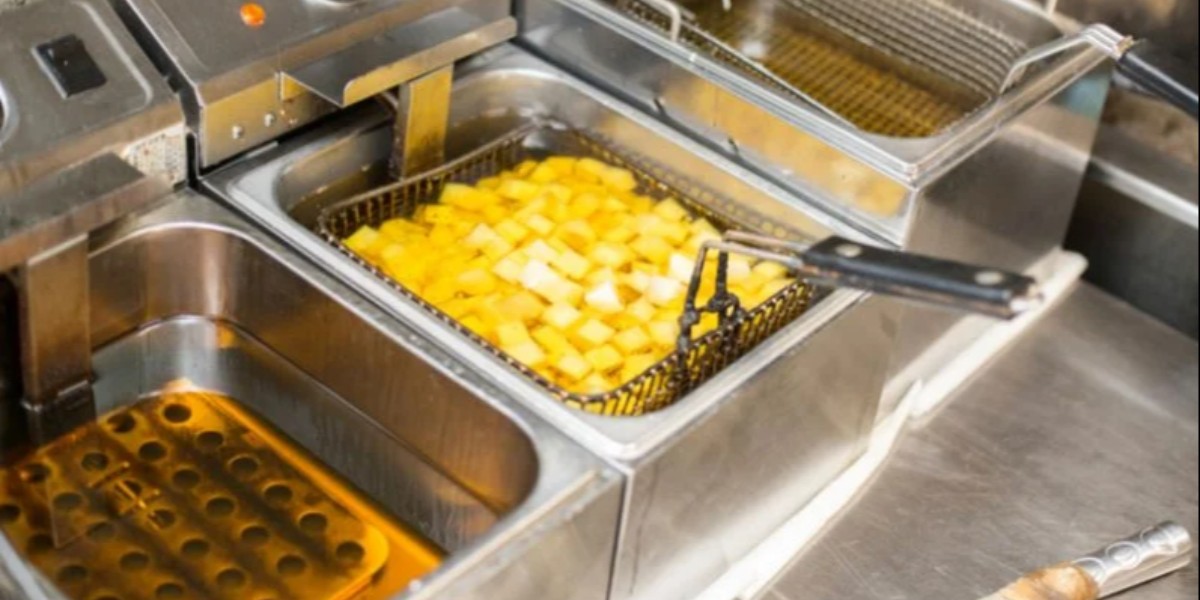
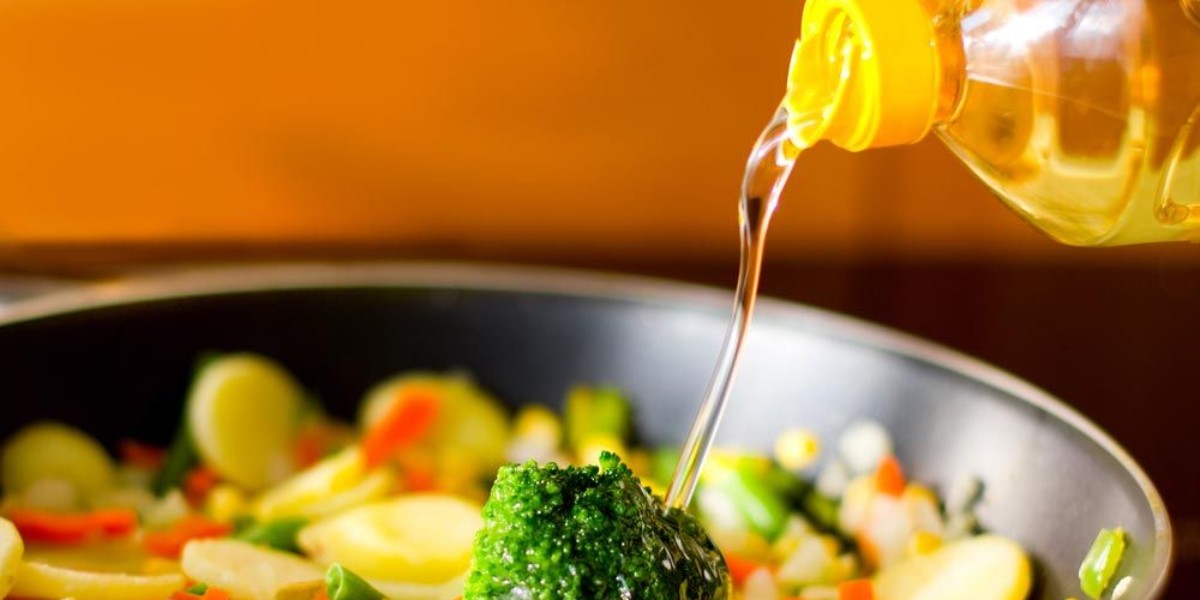
Methods like stir-frying and high-temperature roasting require cooking oils that remain stable under intense heat.
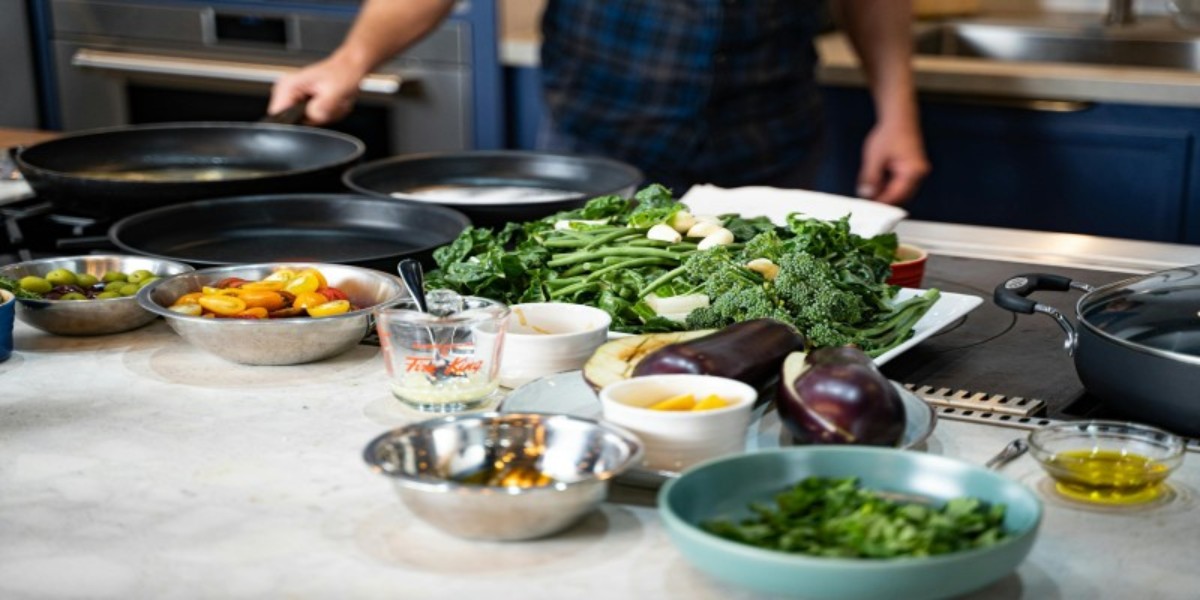
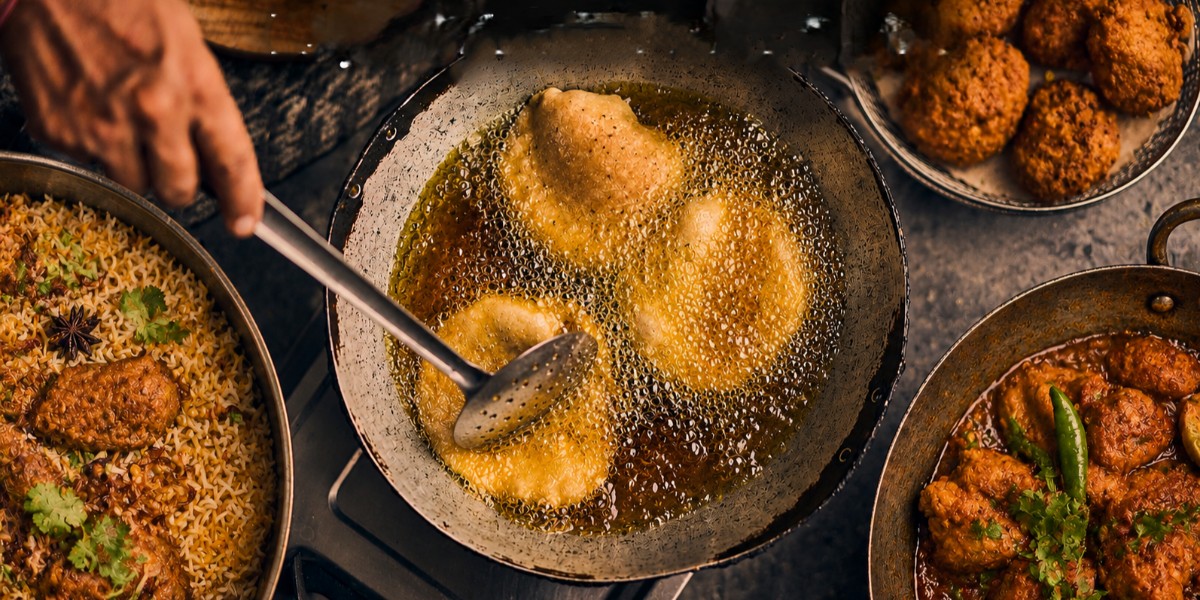
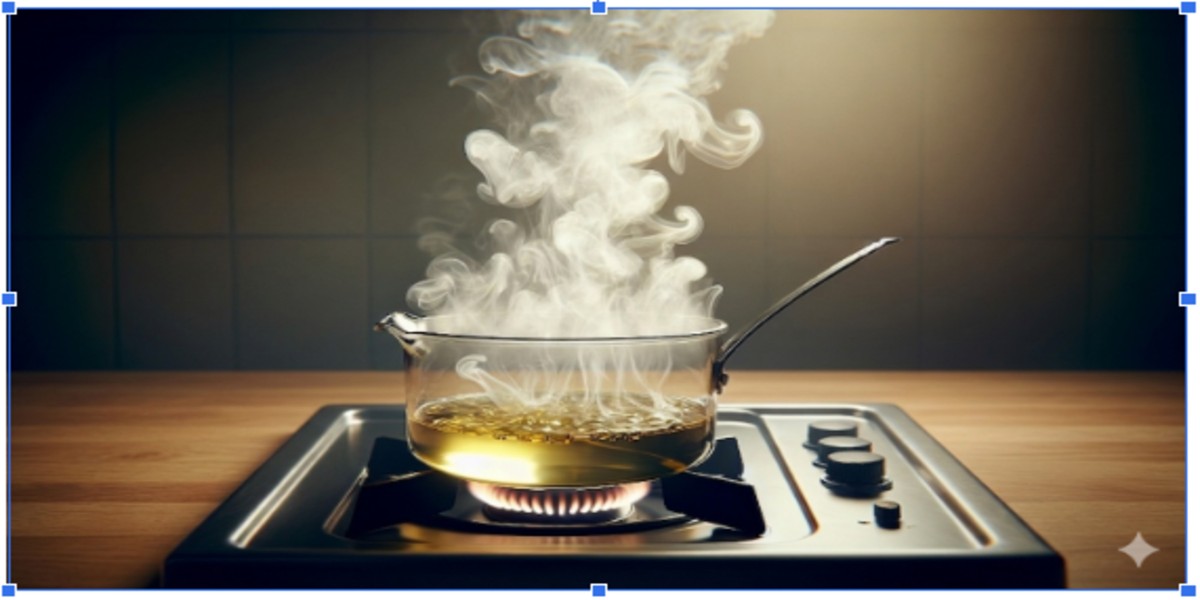
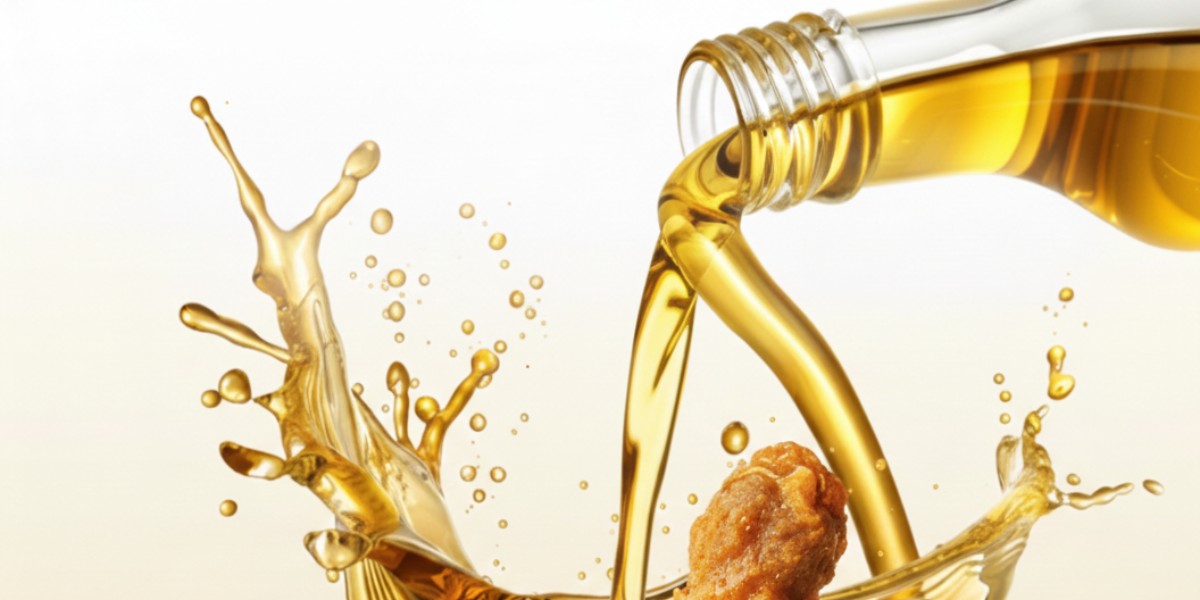
Stir-frying relies on rapid, high-heat searing to cook vegetables and proteins quickly while locking in moisture and crunch. Using an oil with a low smoke point causes it to burn rapidly, creating toxic free radicals and a harsh, acrid taste. High-heat techniques demand refined oils with smoke points above 230°C (450°F) that can withstand intense burner heat without smoking.
Roasting meats, root vegetables, or potatoes at high oven temperatures requires an oil that coats ingredients evenly and promotes uniform browning. Heat-stable, double-refined oils ensure that food develops a crisp outer crust without scorching during extended baking or roasting cycles.
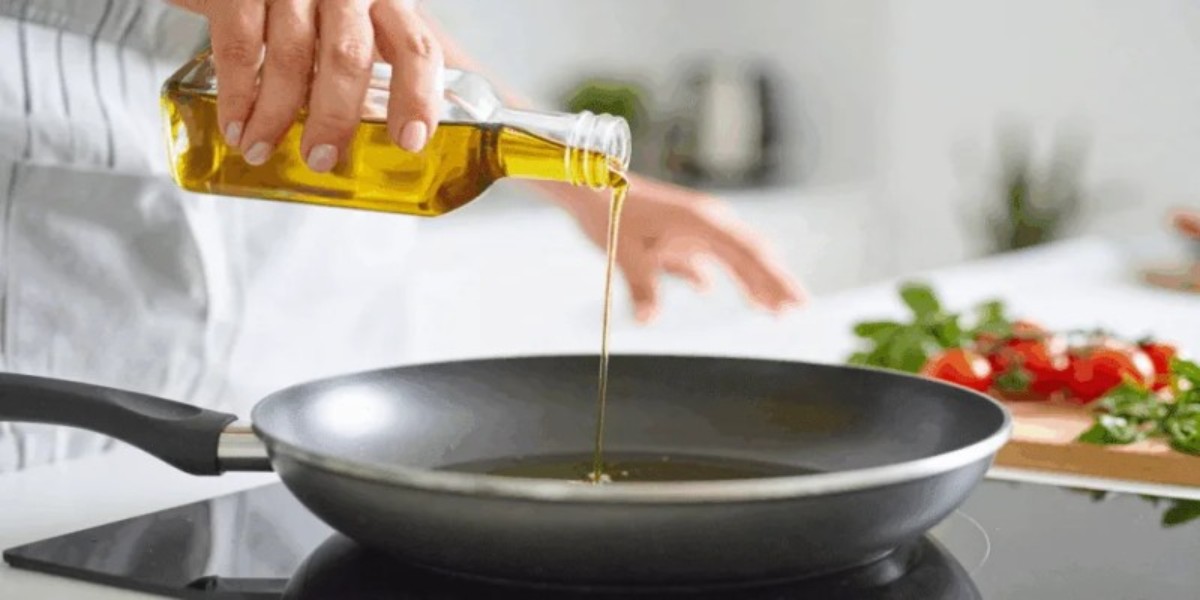
Sautéing and gentle pan-frying are among the most common daily cooking practices, requiring a balance of heat tolerance and clean flavor delivery.
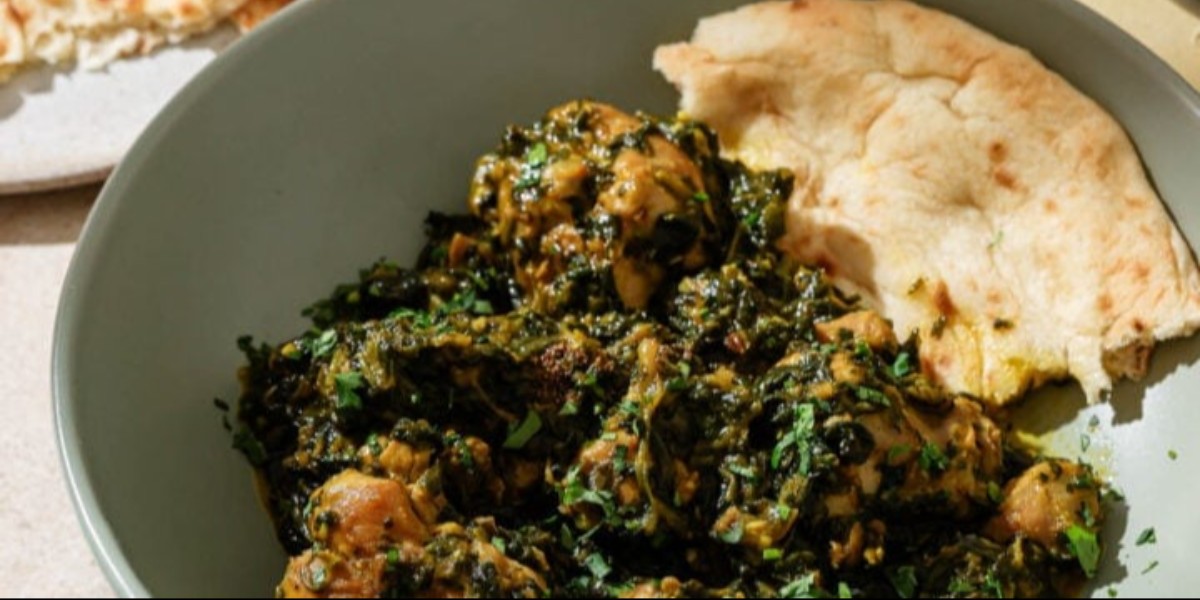
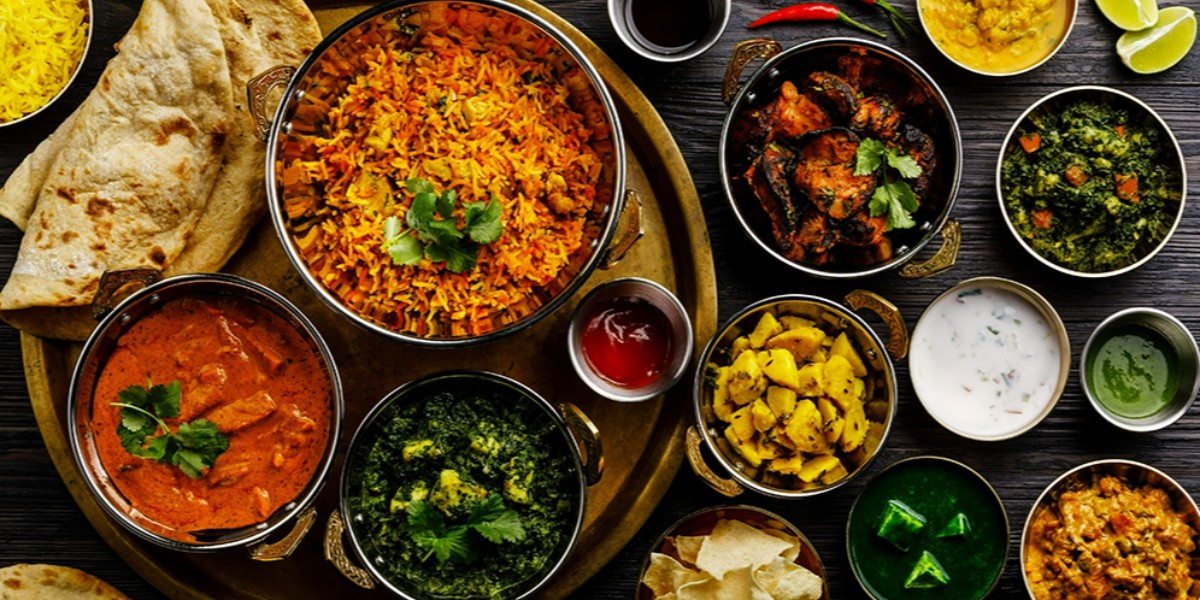
When sautéing aromatics like onions, garlic, ginger, and spices for traditional curries or gravies, oil acts as a heat conductor and flavor extractor. The ideal sautéing oil should have a neutral flavor profile so it doesn't overpower the delicate blend of spices being cooked.
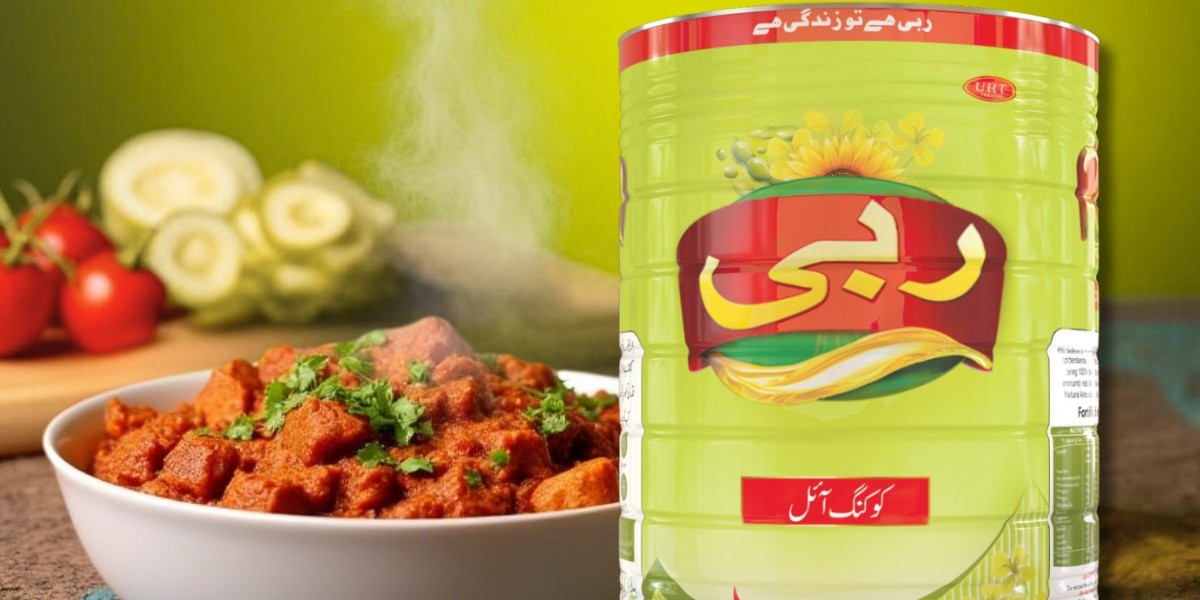
Using pure, double-refined cooking oil guarantees that daily sautéed dishes retain their authentic taste without greasy residue. Trusted producers like Rabi Foods specialize in delivering ultra-pure edible oils and banaspati ghee crafted to maintain exceptional stability across daily sautéing and frying tasks.
Consumers interested in exploring versatile cooking oils tailored for everyday culinary versatility can review the complete line of Products.
Baking is a science where precision, moisture retention, and flavor neutrality are essential for success.
Unlike butter, which contains water and milk solids, pure vegetable cooking oil provides 100% fat content. This helps cakes, quick breads, muffins, and pastries retain moisture for longer periods, resulting in softer crumbs and extended shelf life.
When baking sweet treats like vanilla sponge cakes or cocoa brownies, you want the rich flavors of chocolate, fruit, or vanilla to shine through. Using neutral-tasting refined oil ensures that the fat delivers tender texture without adding an unwanted savory or oily aftertaste.
Matching the right oil to the right cooking method relies heavily on how the oil is processed, refined, and packaged for consumer use.
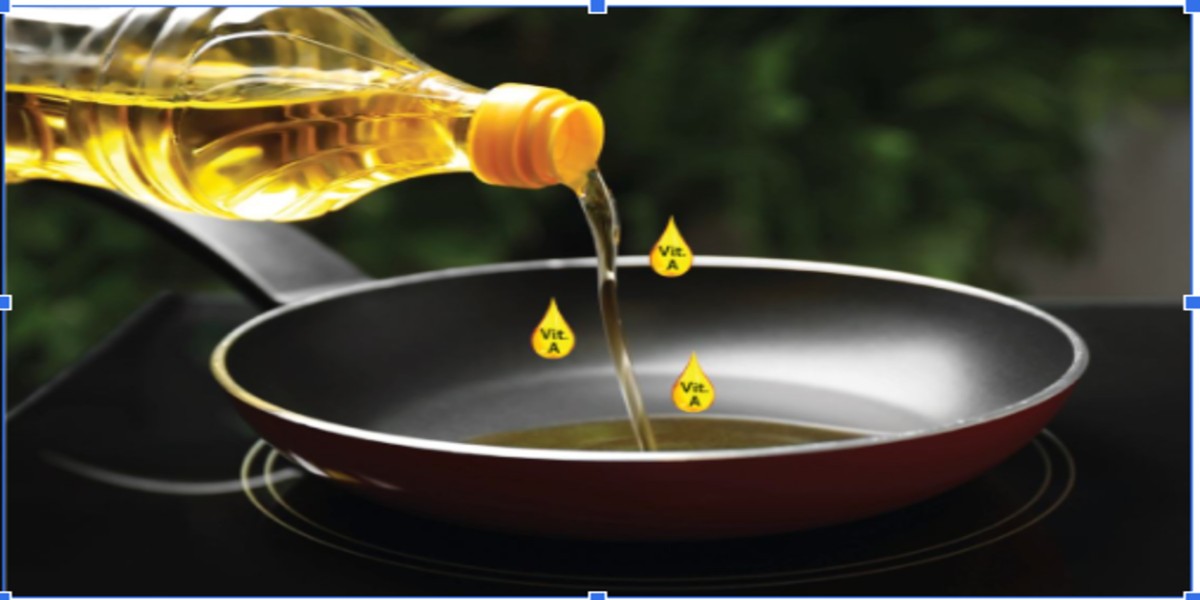
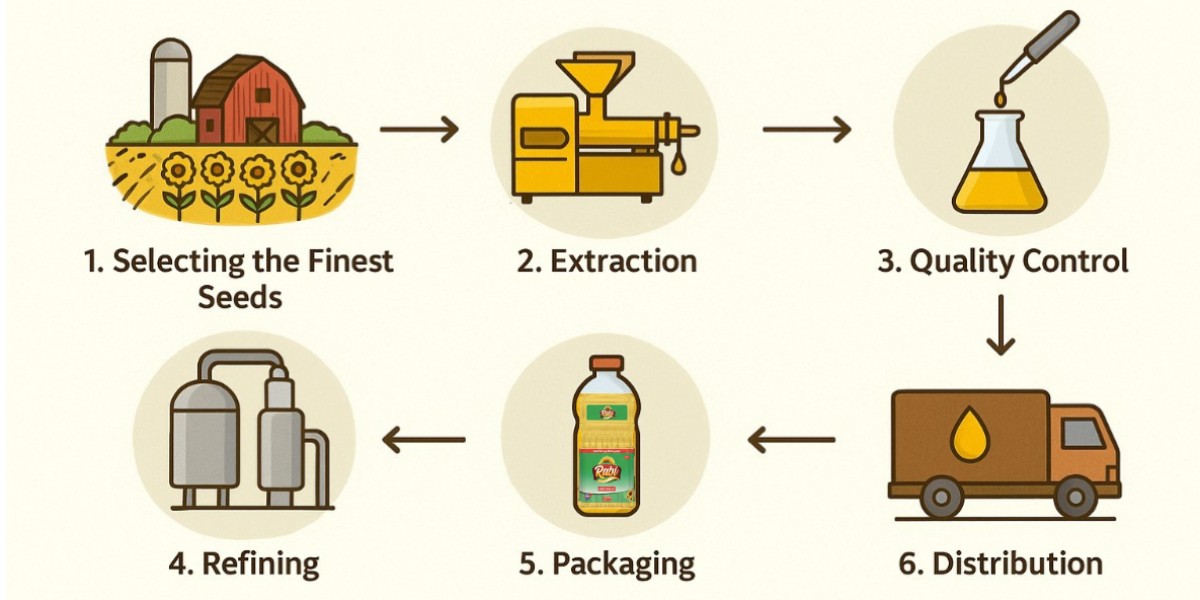
Modern processing ensures that natural fats undergo gentle neutralization, bleaching, and deodorization. Advanced physical refining preserves vital nutrients like Vitamin A and D while removing impurities that cause premature smoking. To learn more about how state-of-the-art processing techniques ensure thermal stability across all cooking methods, explore modern processing Technology.
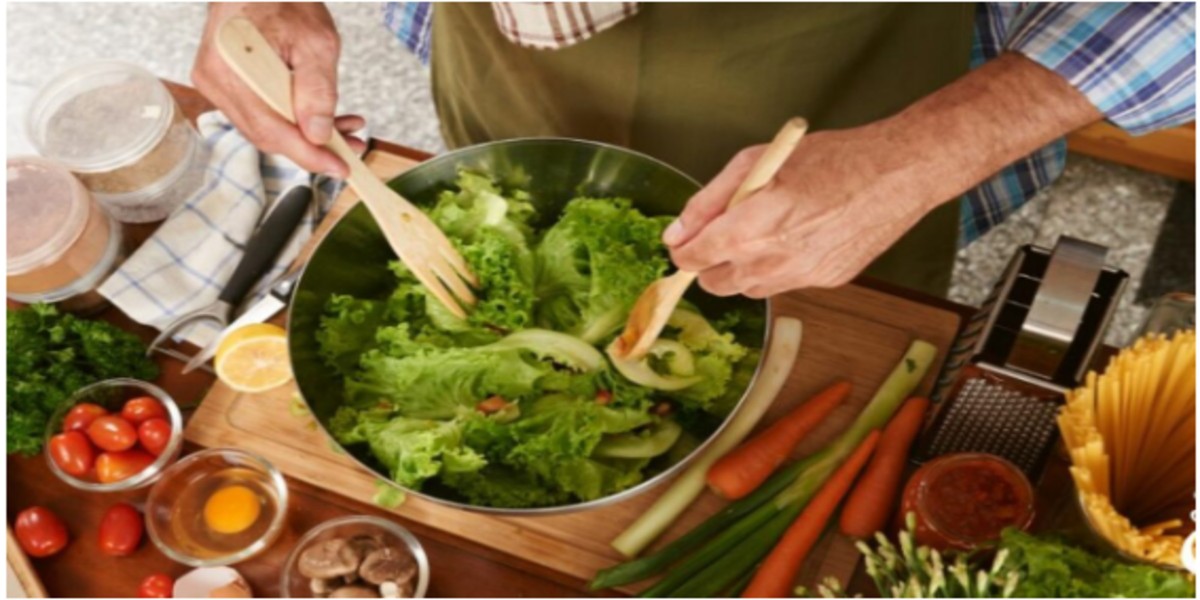
Mastering different cooking methods opens up a world of culinary possibilities for home cooks looking to elevate daily family meals.
For step-by-step guides, temperature charts, and delicious recipes designed for sautéing, roasting, and baking, visiting the official Rabi Kitchen provides practical tips to help you get the best results out of every bottle of cooking oil.
No single oil fits every culinary scenario, but understanding how heat affects different fats makes meal preparation simpler and more rewarding. By selecting high-smoke-point oils for stir-frying and roasting, neutral refined oils for baking, and clean, heat-stable options for daily sautéing, you can maximize flavor, protect nutrient quality, and cook with complete confidence