

Date: May 10, 2026
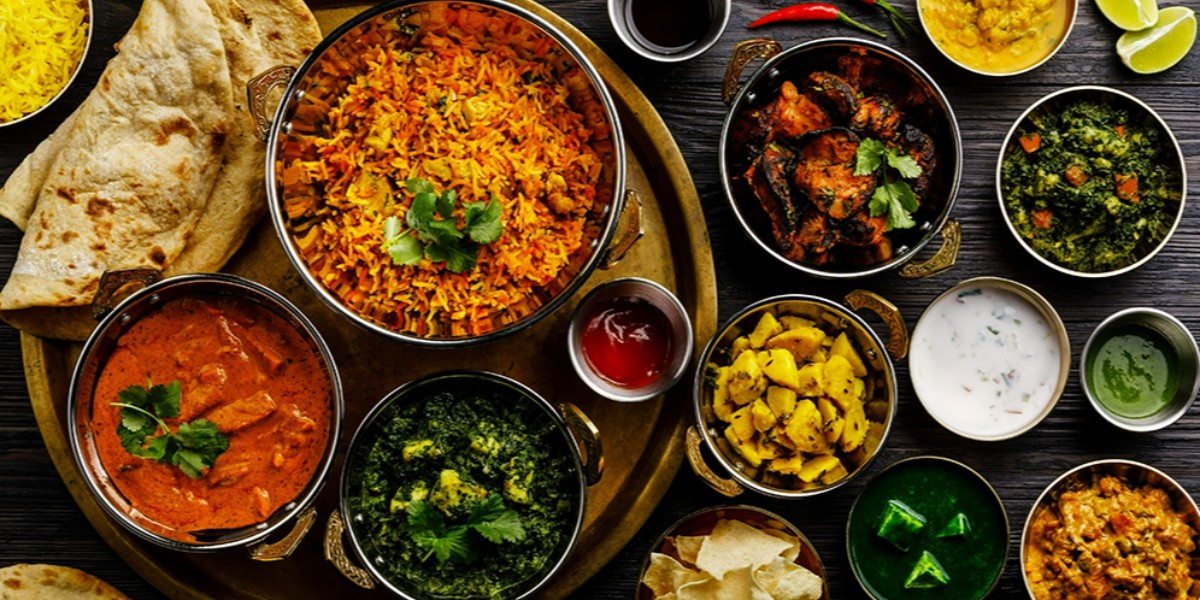
Pakistani cuisine is celebrated worldwide for its rich aromas, bold spices, and deeply satisfying textures. Whether it is the perfect fluff of a festive Biryani, the smoky sizzle of a street-style Karahi, or the golden crunch of afternoon pakoras, the oil you choose plays a massive role in the final dish.
The wrong choice can ruin a meal by smoking too early, leaving a heavy, greasy aftertaste, or altering the authentic flavors of your spices.
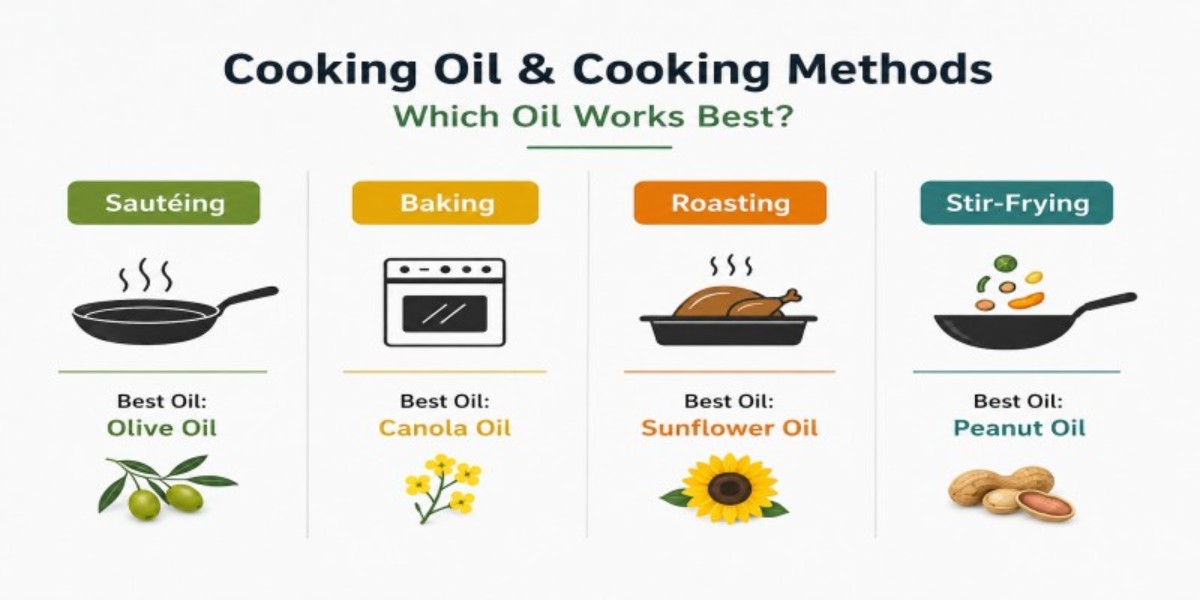
Choosing the right cooking oil means balancing three critical factors: smoke point, flavor profile, and nutritional value. Let's break down the best choices for Pakistan's most iconic cooking methods so your dishes turn out perfect every time.
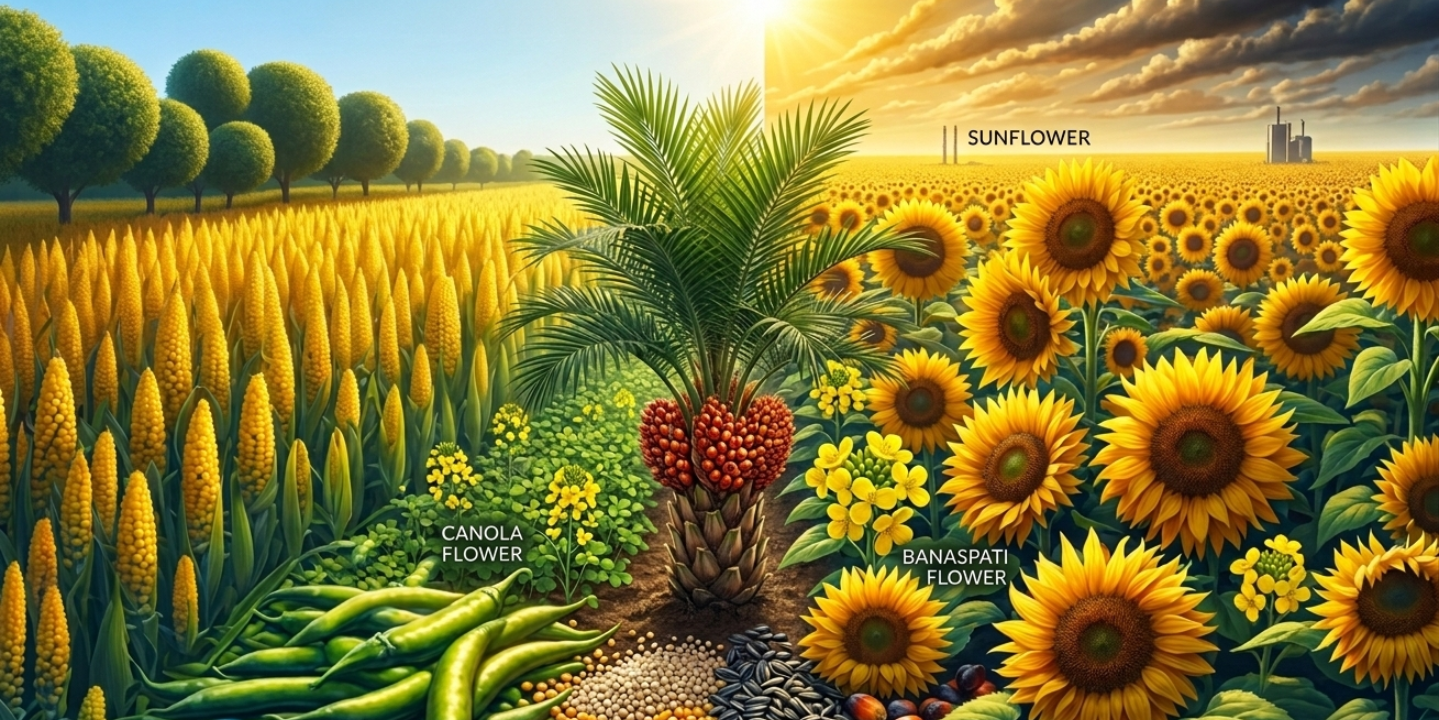
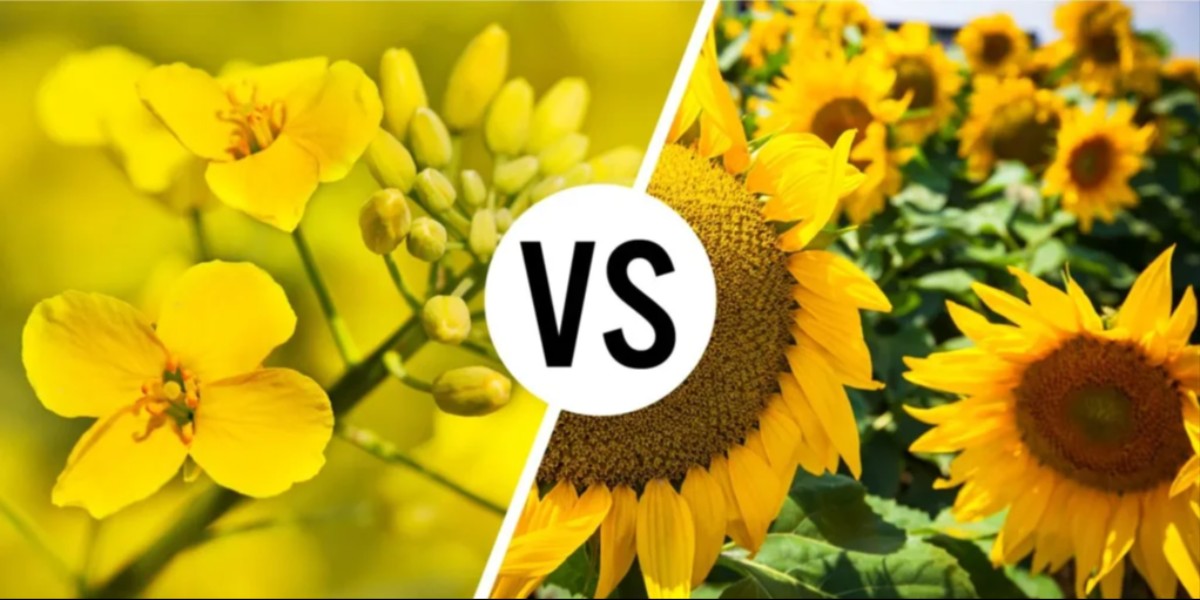
Biryani is all about layers of flavor. Every grain of rice needs to be beautifully separated, glistening, and infused with the aromatic essence of saffron, kewra, and ground spices. For a spectacular Biryani, Canola Oil or a premium Banaspati Ghee blend is highly recommended. Canola oil features an incredibly neutral flavor profile, meaning it will step aside and let your spices shine. It keeps the rice grains beautifully separate without clumping when the Biryani cools down.
If you prefer that traditional, royal aroma during the Dum (steam-cooking) stage, swapping a portion of the oil for high-quality ghee brings out the deeper notes of the meat and masala.
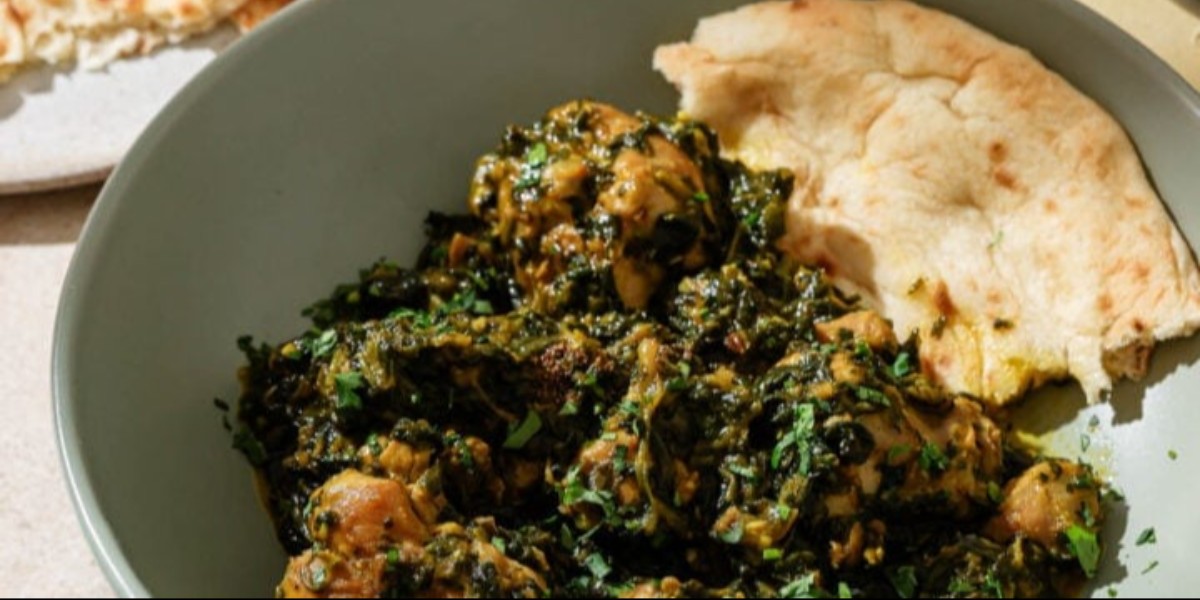
A traditional Pakistani Karahi requires rapid, high-heat cooking. The meat needs to sear quickly to lock in its natural juices, while tomatoes, ginger, and green chilies break down at intense temperatures to form that thick, finger-licking gravy.
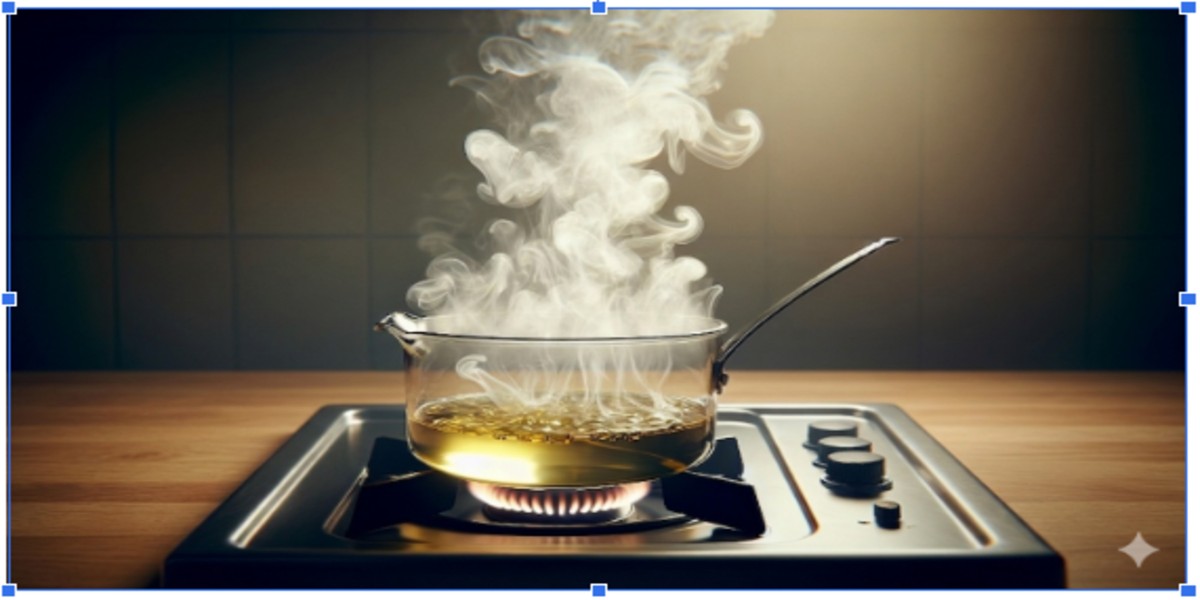
Because of this intense heat, you need an oil with an exceptionally high smoke point (the temperature at which oil starts to burn and smoke).
Ideal Characteristics for Karahi Oil:
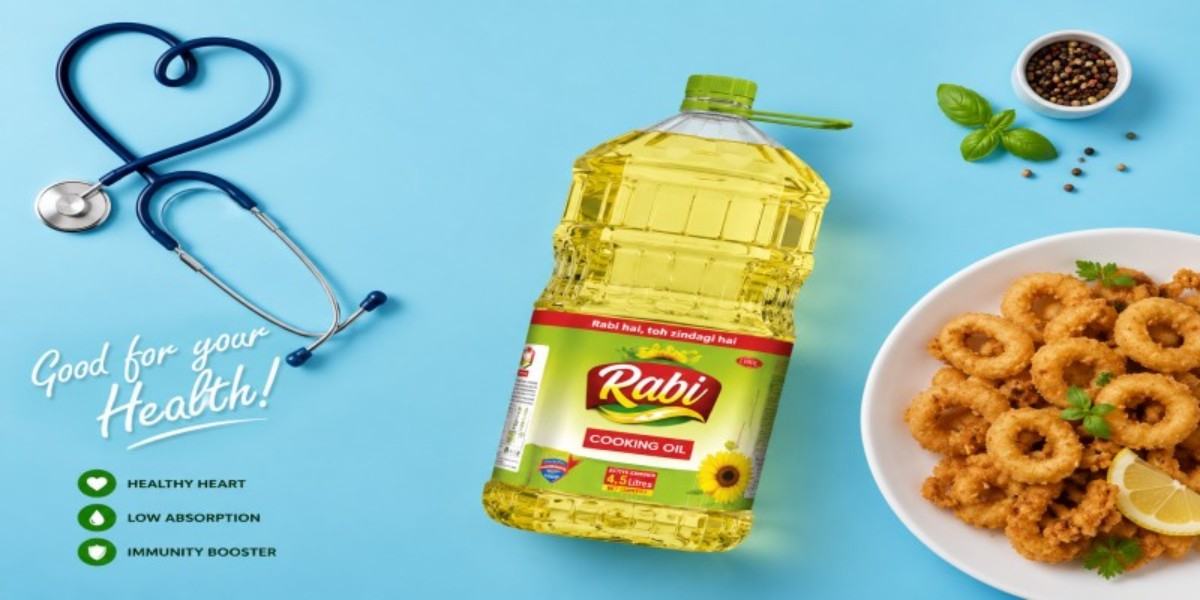
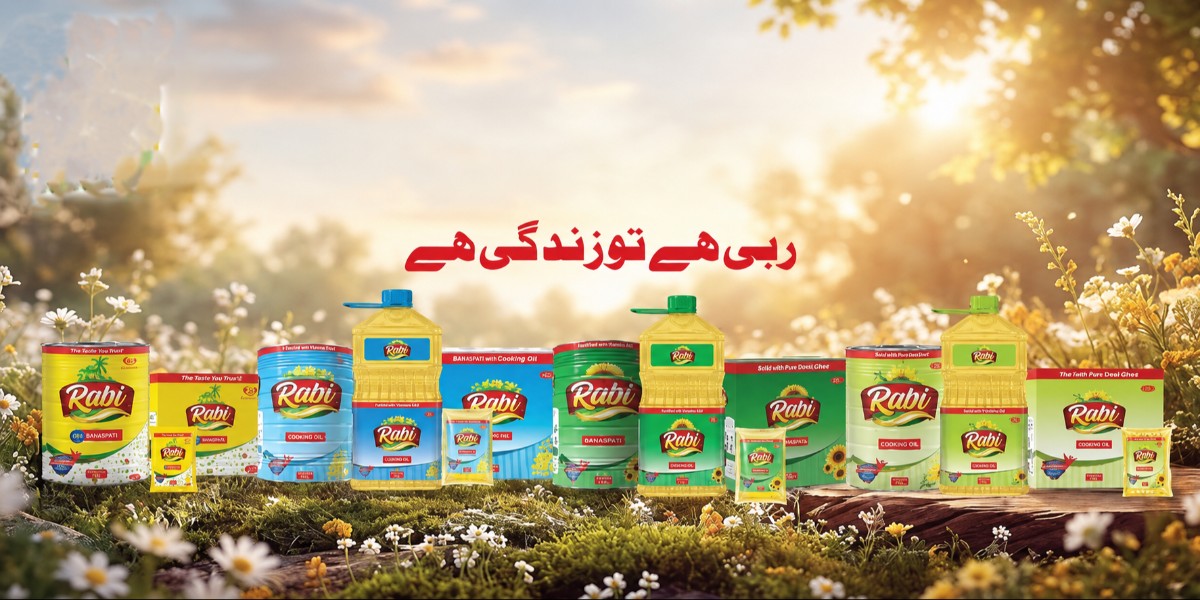
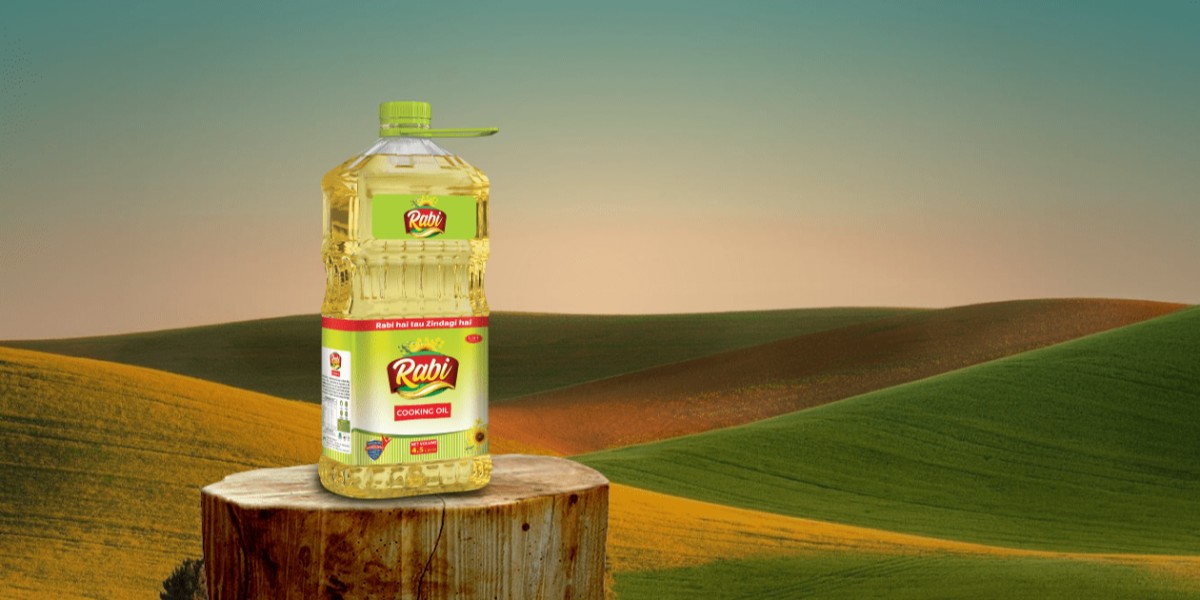
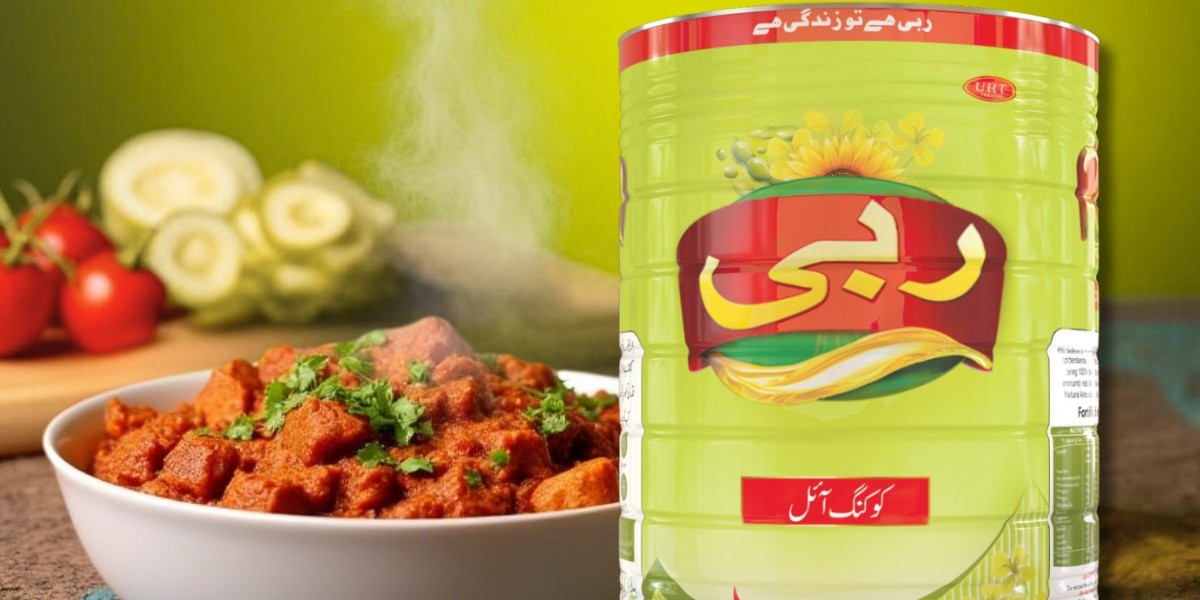
Sunflower Oil and Corn Oil are the absolute champions here. They can easily withstand the high flames of a gas burner without breaking down into harmful free radicals or creating bitter, burnt flavors. Using clean options like the ones found in the Products lineup at Rabi Foods ensures your Karahi retains its signature bright red color and clean, fiery taste without any unpleasant heaviness.
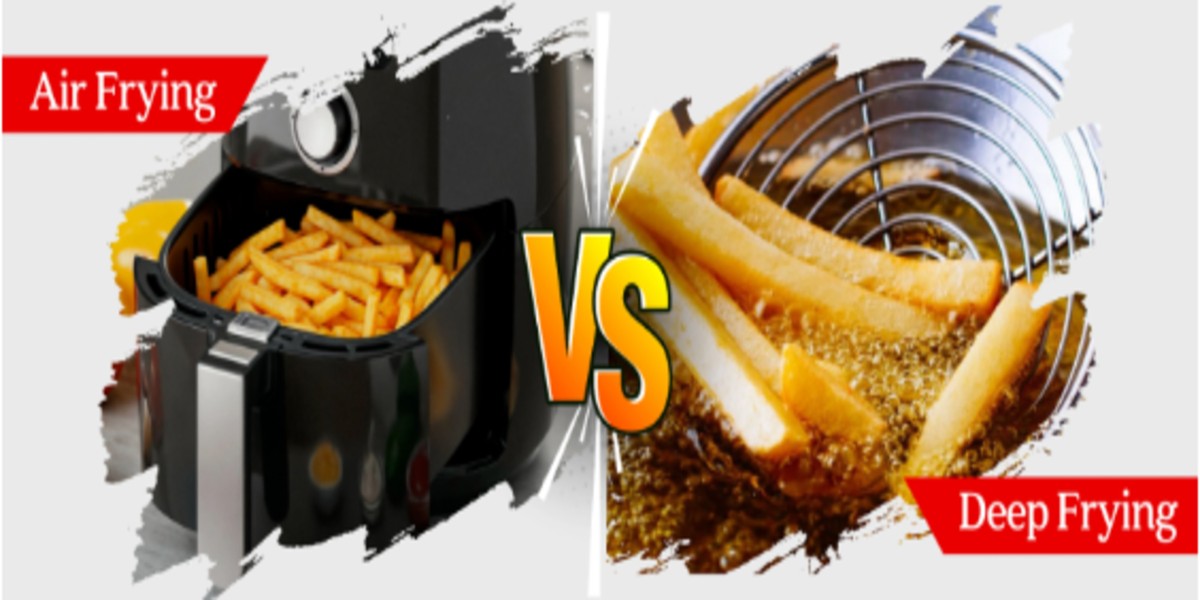
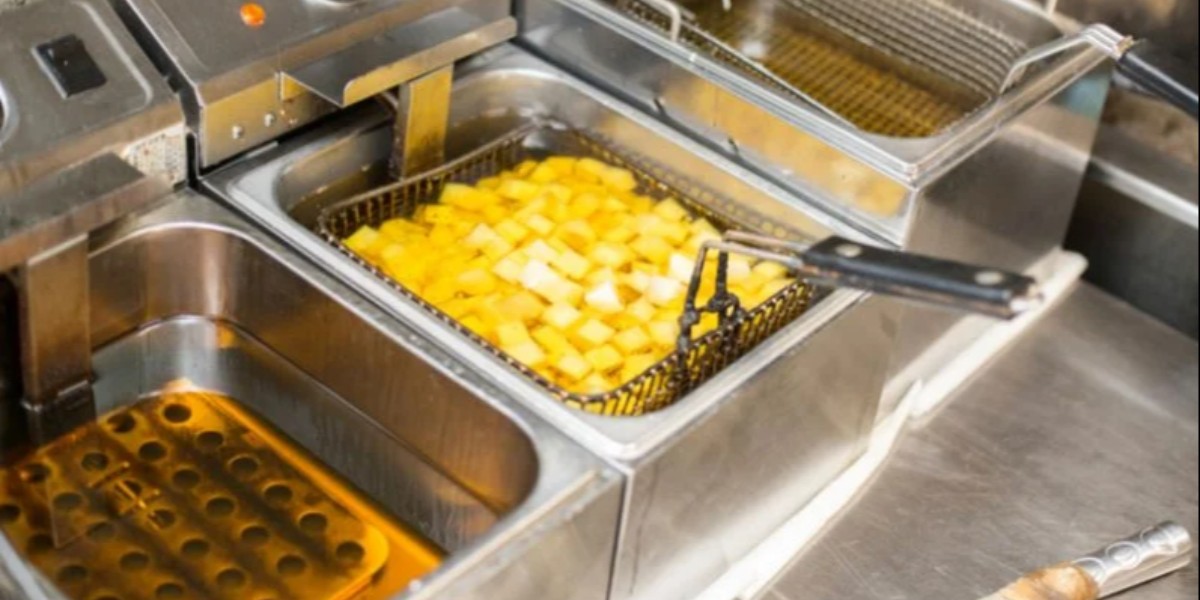
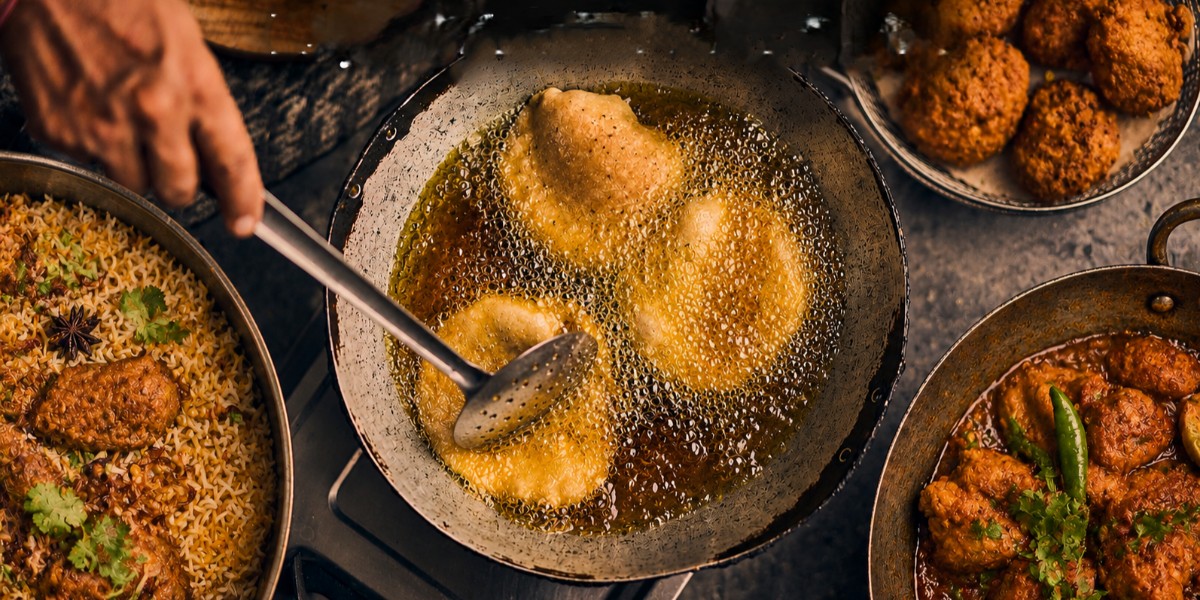
Deep frying is a staple of Pakistani food culture, especially during Ramadan or rainy afternoons. True deep frying requires a vast pool of oil heated to a consistent temperature between 175°C and 190°C.
If your oil breaks down at this temperature, your fried items will absorb excess fat, turning soggy, limp, and greasy.
|
|
|
|
|
|
|
|
|
|
|
|
|
|
|
|
|
|
|
|
For an ultra-crisp, golden-brown crunch on samosas and pakoras, Sunflower Oil is widely considered the best choice in Pakistani households. Its incredibly high smoke point means you can fry multiple batches without the oil discoloring or smoking up your kitchen.
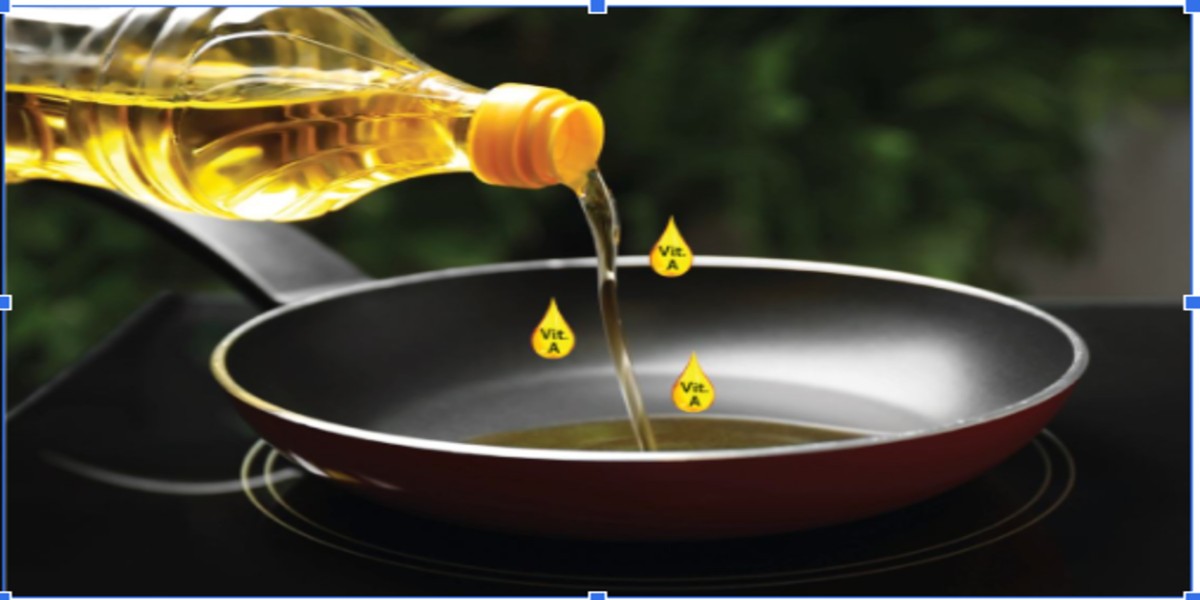
Using pure, unadulterated oils isn't just about unlocking restaurant-quality taste; it's vital for your family's long-term wellness. High-quality natural oils retain their essential vitamins (like Vitamin A and D) and healthy unsaturated fats. To dive deeper into how clean, unrefined cooking choices impact your health, explore this detailed guide on the Benefits of Using Natural Ingredients.
Mastering Pakistani culinary favorites like Biryani, Karahi, and deep-fried snacks comes down to matching the cooking method with the correct heat stability. You do not need dozens of different options cluttering your pantry; keeping high-quality, pure options like Canola and Sunflower oil from the Rabi Foods range of Products ensures you are always prepared for any meal. By understanding how smoke points interact with high flames and long simmers, you can protect both the authentic taste of your food and your family's well-being with every meal you serve.