

Date: Oct 24, 2025

Proper storage of cooking oil plays a vital role in maintaining its freshness, nutritional value, and overall cooking performance. How to store cooking oil correctly is a question many households overlook, yet improper storage can lead to early oxidation, unpleasant odors, and reduced health benefits. Even high-quality oils can lose their effectiveness if they are not stored under suitable conditions. Understanding the right storage practices helps preserve oil quality, supports healthier cooking, and ensures that every meal prepared at home remains safe and flavorful.
Cooking oil is sensitive to environmental factors such as light, heat, air, and moisture. When oil is exposed to these elements for long periods, it begins to oxidize. Oxidation affects the taste, aroma, and nutritional profile of the oil, making it less suitable for daily cooking.
Properly stored oil:
For households that use oil regularly, understanding cooking oil freshness and storage is just as important as choosing the right oil.
Several external factors influence how long cooking oil stays fresh:
Direct sunlight or strong kitchen lighting can accelerate oil degradation. Oils stored in transparent containers without protection are more likely to lose quality faster.
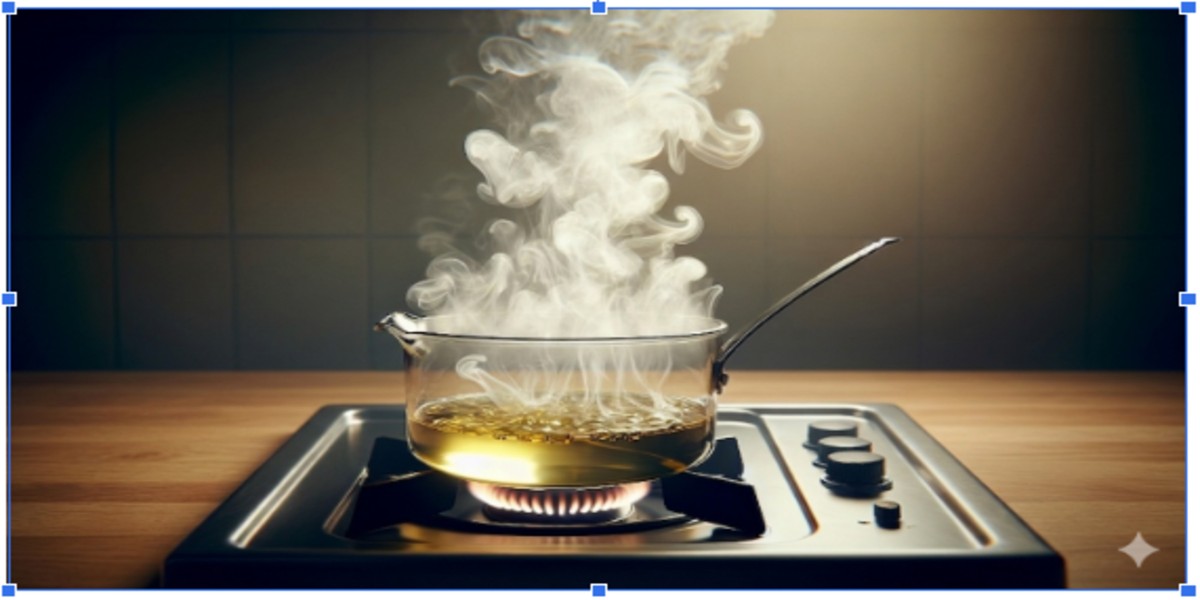
Storing oil near stoves, ovens, or windows exposes it to constant heat, which weakens its structure over time.
Following simple storage techniques can significantly extend oil freshness and performance:
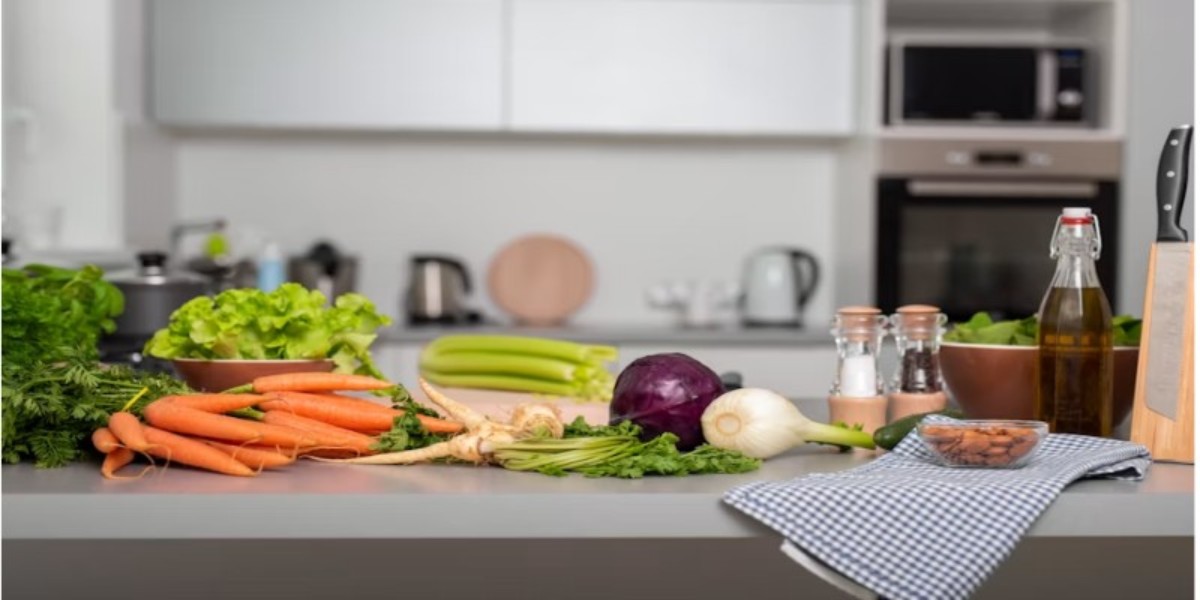
Always store oil in a cool, dry place away from direct heat and sunlight. Kitchen cabinets that are distant from cooking appliances are ideal.
After every use, ensure the bottle or container is closed properly. This limits air exposure and slows oxidation.
Transferring oil between containers increases exposure to air and moisture. Keeping oil in its original, well-sealed packaging is recommended.
Cooking oil does not last forever. Even when stored correctly, oils have a shelf life that should be respected. Signs that oil quality may be declining include:
Referring to reliable food safety and nutrition resources can help consumers understand oil shelf life standards and quality indicators. Trusted food and nutrition platforms offer valuable guidance on maintaining safe and effective cooking oils.
Storing oil correctly ensures that it performs well at high temperatures without breaking down into harmful compounds. Fresh oil absorbs less into food, cooks evenly, and supports healthier meal preparation.
When oil quality is preserved:
For households aiming to maintain healthier cooking routines, proper oil storage is a simple yet impactful step.
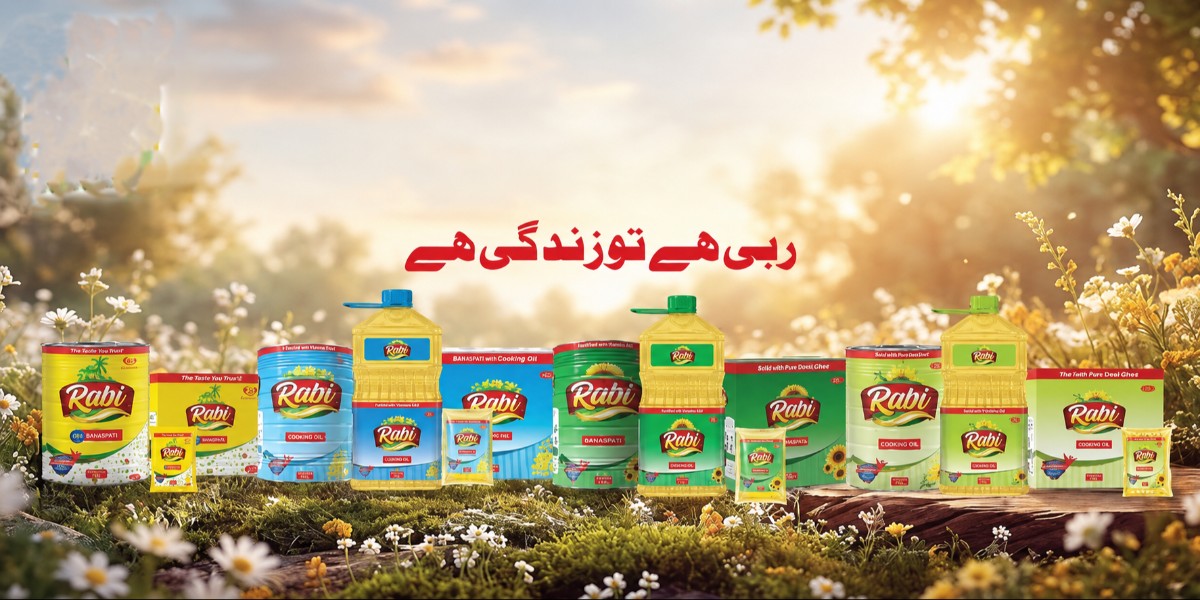
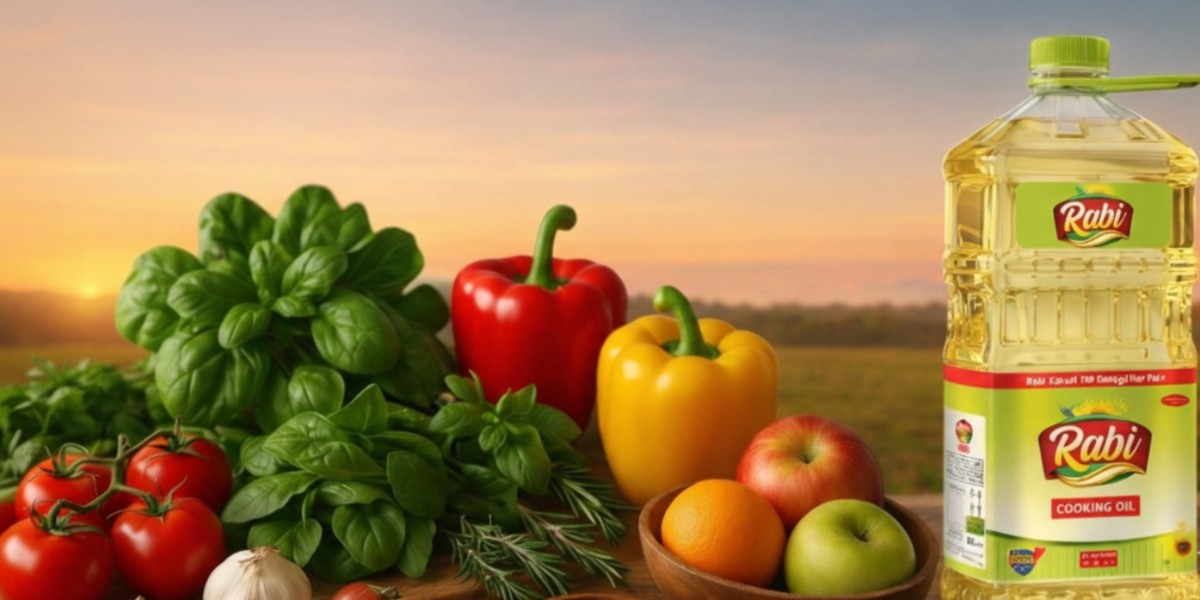
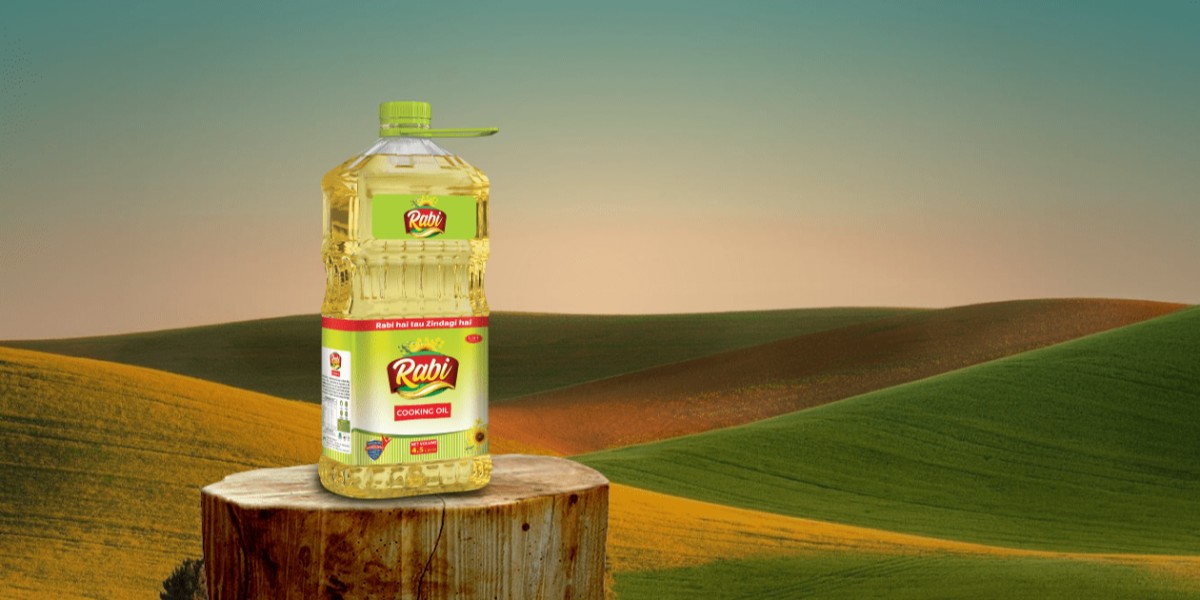
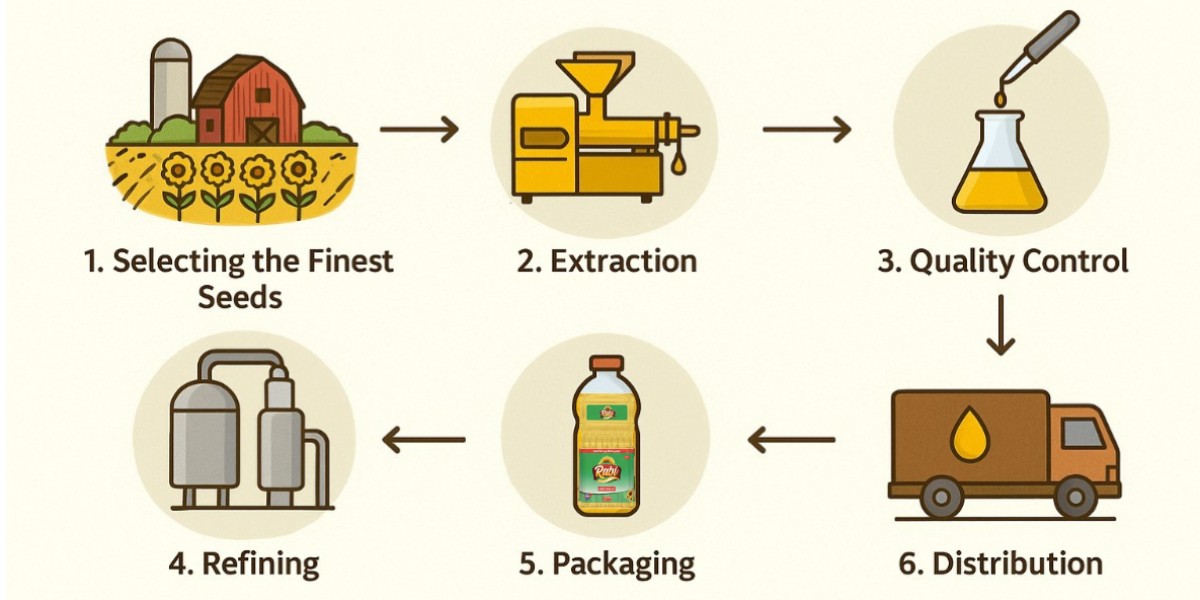
Rabi Cooking Oils are produced using advanced refining processes that enhance stability, purity, and cooking performance. However, to enjoy their full benefits, proper storage is essential. Keeping Rabi Oils sealed, stored away from heat and light, and handled carefully helps maintain their freshness, nutritional value, and consistent quality.
Designed for everyday household cooking, Rabi Cooking Oils support better oil absorption control and long-lasting performance when stored under recommended conditions.
To make oil storage easier and more effective:
Small changes in storage habits can make a noticeable difference in oil freshness and cooking outcomes.
Understanding how to store cooking oil properly is essential for maintaining freshness, taste, and health benefits. By protecting oil from heat, light, air, and moisture, households can extend shelf life and improve daily cooking quality. When combined with quality refining and responsible handling, proper storage ensures that cooking oil performs consistently and supports healthier meals.
For more details, expert tips, and helpful guides on oil quality and everyday cooking practices, visit Rabi Oil Blogs and explore trusted insights designed for modern kitchens.