

Date: Oct 18, 2025
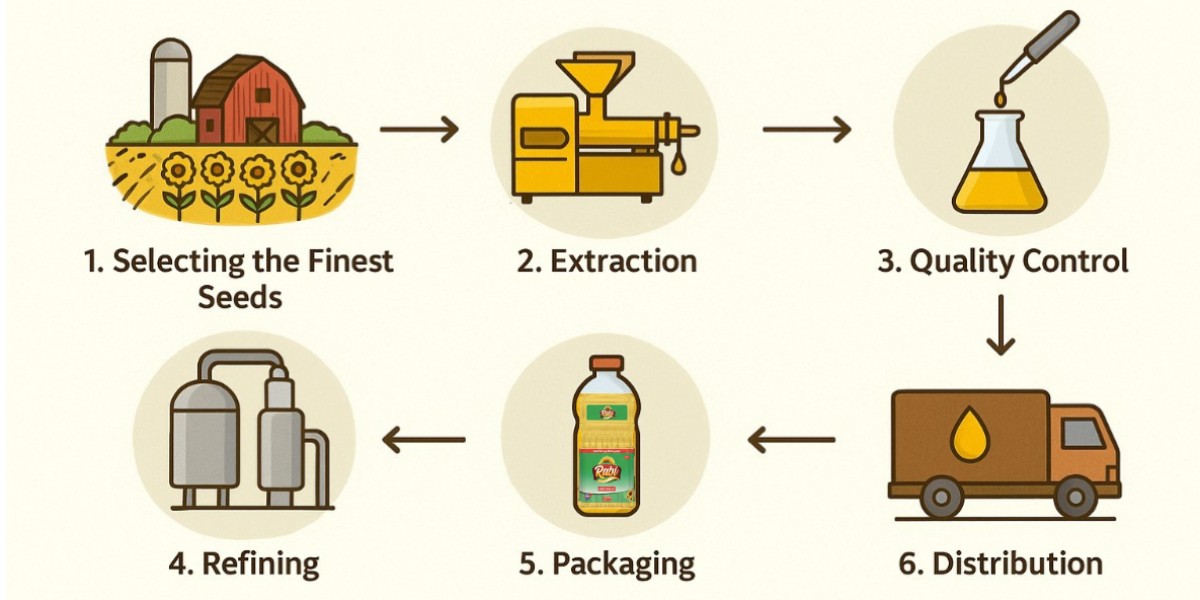
The journey of cooking oil quality begins long before it reaches the kitchen shelf. From carefully selected oilseeds grown on farms to the final packaged bottle used in daily cooking, every stage plays a critical role in determining purity, taste, and health value. Understanding this from farm to table cooking oil quality journey helps consumers make better choices for healthier and more reliable cooking.
In today’s health-aware households, people are increasingly interested in how their cooking oils are produced, refined, and preserved. Transparency in sourcing and processing has become just as important as taste and price.
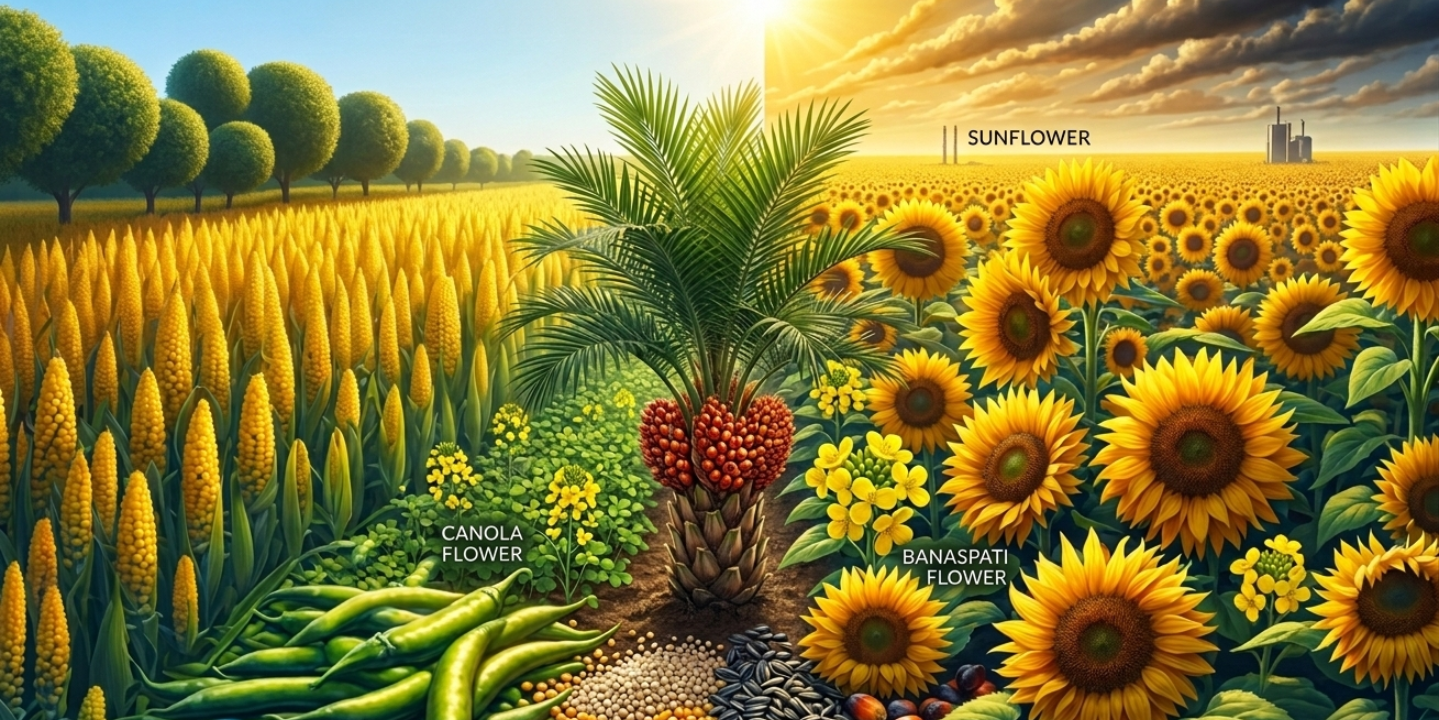
Quality cooking oils start with high-grade oilseeds. Whether it is sunflower, canola, soybean, or other oil-bearing crops, seed quality directly impacts oil performance and nutrition.
At the farm stage, several factors influence oil quality:
Proper agricultural practices help ensure oilseeds retain their natural composition. When seeds are harvested at the right maturity level and stored correctly, they yield oil with better stability and flavor. This early stage lays the foundation for high-quality cooking oil production.
Before oil extraction begins, oilseeds go through a cleaning and pre-processing phase. This step removes dust, stones, husks, and unwanted impurities that could affect oil quality.
Efficient pre-processing ensures:
Skipping or compromising this stage can result in oils that degrade faster or develop unpleasant odors during cooking.
Oil extraction is a critical phase in the cooking oil journey. Modern producers use controlled mechanical and refining techniques to ensure maximum yield without damaging the oil’s natural structure.
Common extraction methods include:
When done properly, these methods help retain essential fatty acids and prevent excessive oxidation. Oils extracted under strict quality controls perform better during frying and everyday cooking.
For deeper insights into oil extraction standards and food safety, international food quality resources provide valuable research-based guidelines. (External link example)
Refining transforms crude oil into a clean, stable, and safe product suitable for household use. This stage focuses on removing unwanted components while preserving beneficial properties.
The refining process typically includes:
Advanced refining methods play a key role in producing healthier cooking oils that resist breakdown at high temperatures and reduce oil absorption during cooking.
Even the highest-quality oil can lose its value if packaging and storage are neglected. Exposure to light, heat, and air can lead to oxidation, reducing shelf life and performance.
Quality-conscious brands focus on:
This stage ensures that oil maintains its freshness and nutritional value until it reaches the consumer’s kitchen.
Understanding the complete cooking oil quality journey empowers consumers to make informed decisions. Oils that follow strict quality control from farm to table are more reliable for daily use and long-term health.
High-quality oils:
This is especially important in households where cooking oils are used daily for frying, sautéing, and traditional meals.
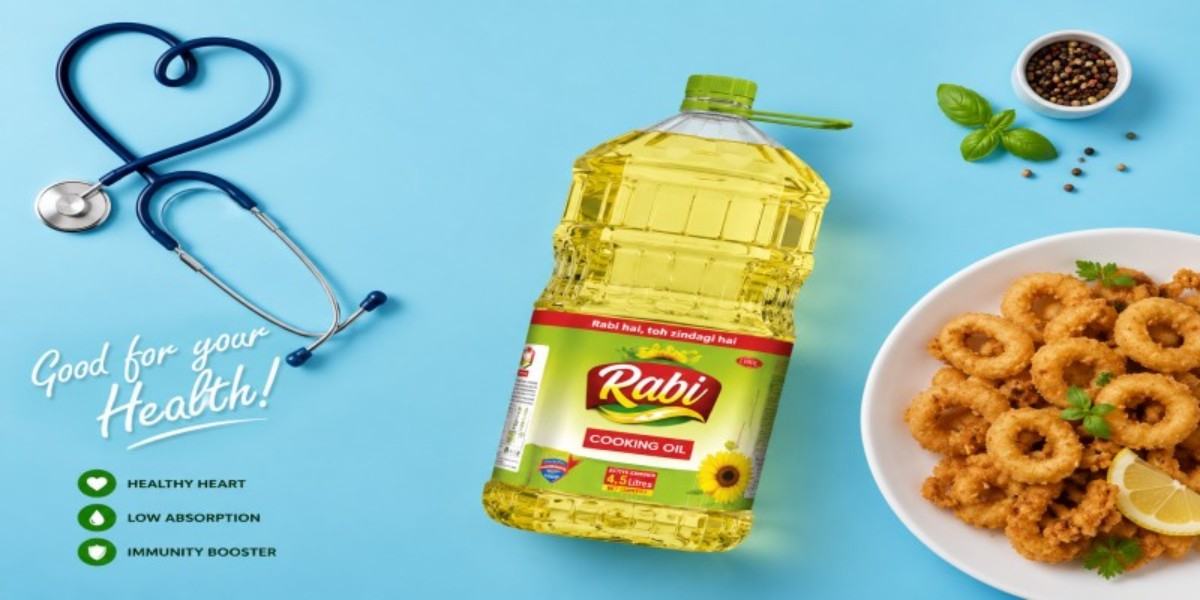
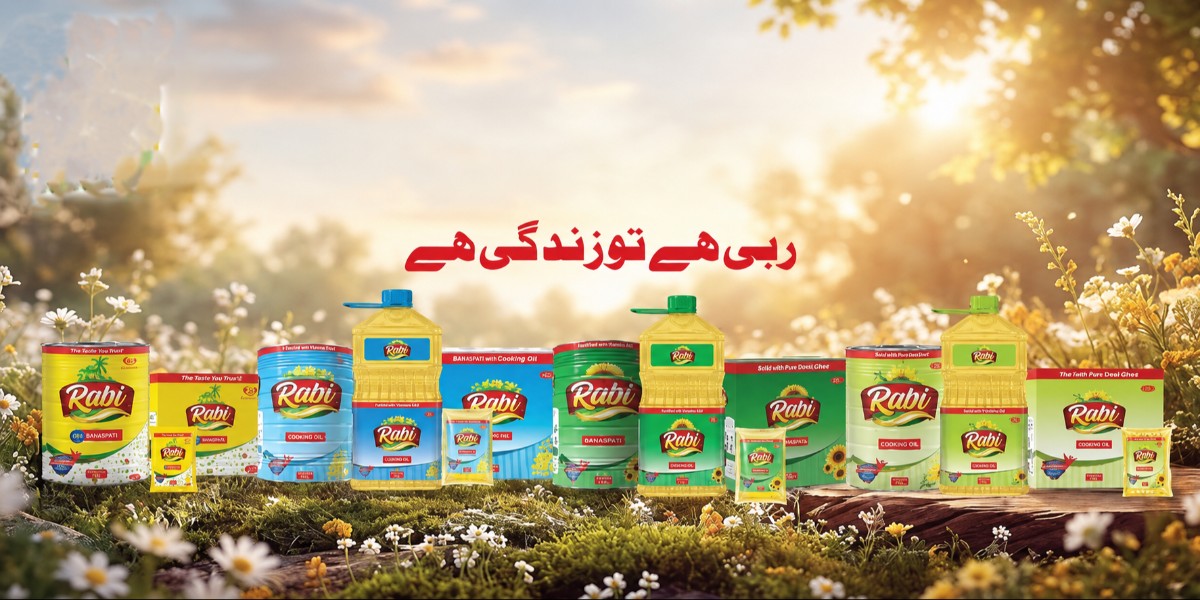
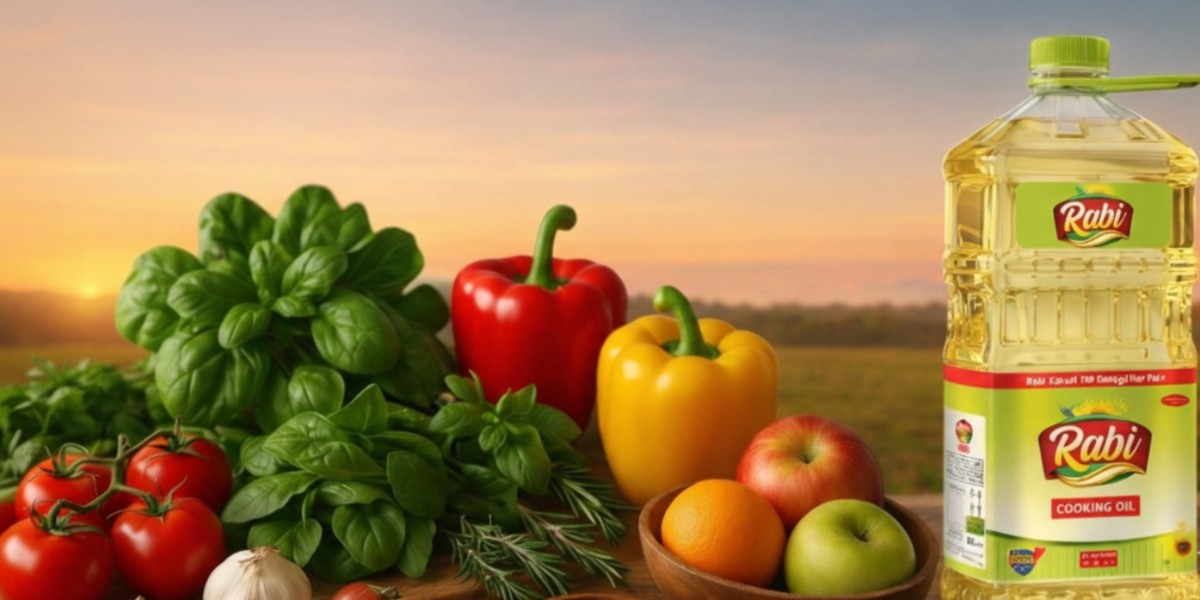
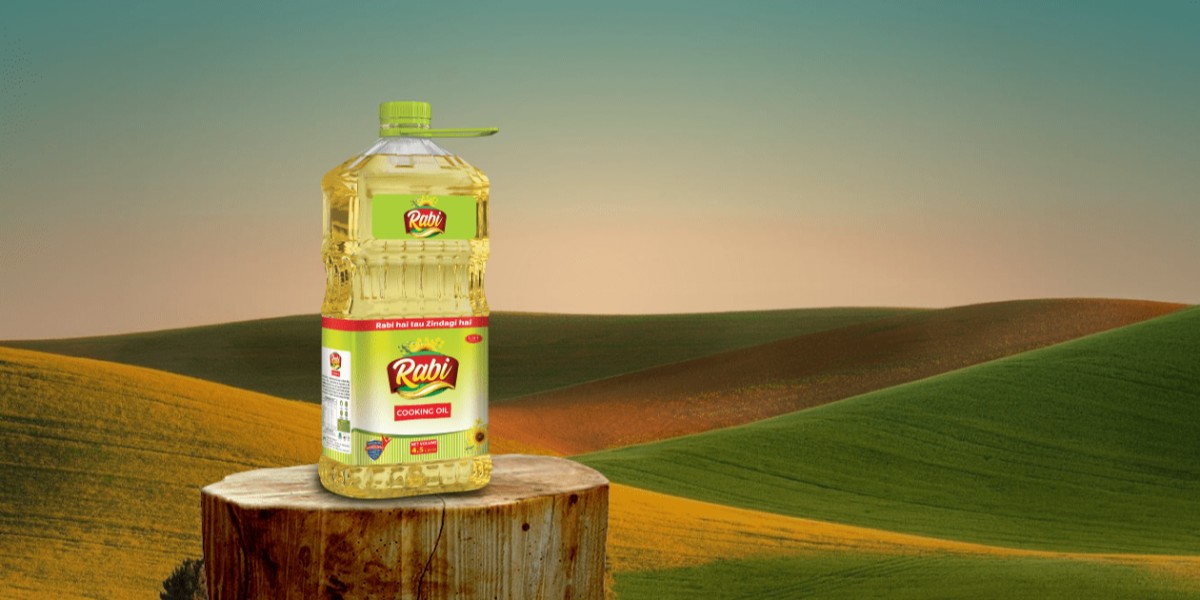
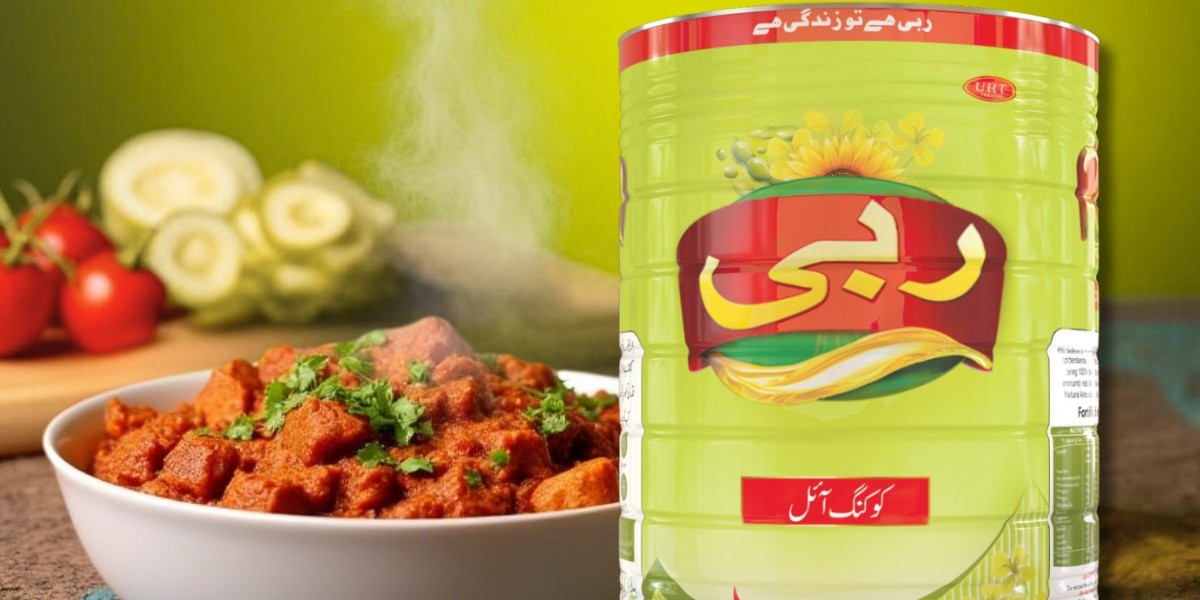
Rabi Cooking Oils are developed with a strong focus on quality at every stage of the journey from sourcing premium oilseeds to applying advanced refining and packaging standards. By following modern processing techniques and strict quality checks, Rabi ensures oils that are stable, clean, and suitable for everyday cooking.
Designed to support traditional cooking needs while meeting modern nutritional expectations, Rabi Cooking Oils help households prepare meals with confidence, consistency, and care.
Choosing the right cooking oil is not just about taste; it is about understanding where it comes from and how it is made. Oils that are produced with attention to quality at every step contribute to healthier meals and better cooking results.
By learning about cooking oil sourcing, refining, and storage, consumers can align their kitchen choices with long-term wellness goals.
The journey from farm to table defines the true quality of cooking oils. From seed selection and extraction to refining and packaging, every step matters. When these processes are handled with care and expertise, the result is oil that supports healthier cooking and better nutrition.
For more details, insights, and expert guidance on cooking oils, visit the Rabi Oil blogs and explore how quality makes a difference in every meal.