

Date: Jul 25, 2026
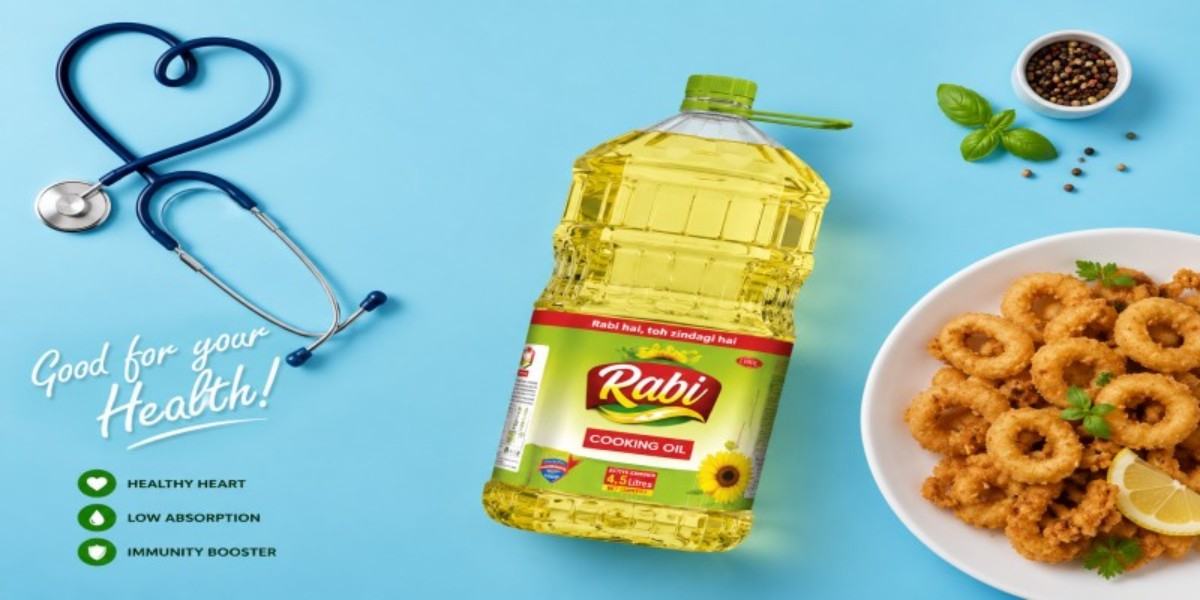
Walking down the grocery aisle to pick a cooking oil can be overwhelming. Brightly colored bottles are covered in bold claims like "Cholesterol-Free," "Double Refined," or "Pure Plant-Based." For the average Pakistani shopper looking out for their family’s health, these phrases sound excellent, but what do they actually mean?
Marketing terms can sometimes obscure the scientific facts. Understanding how to read and decipher these labels helps you make smarter, healthier choices for your daily cooking. At Rabi Foods, we believe in transparent nutrition, ensuring you know exactly what goes into your meals.
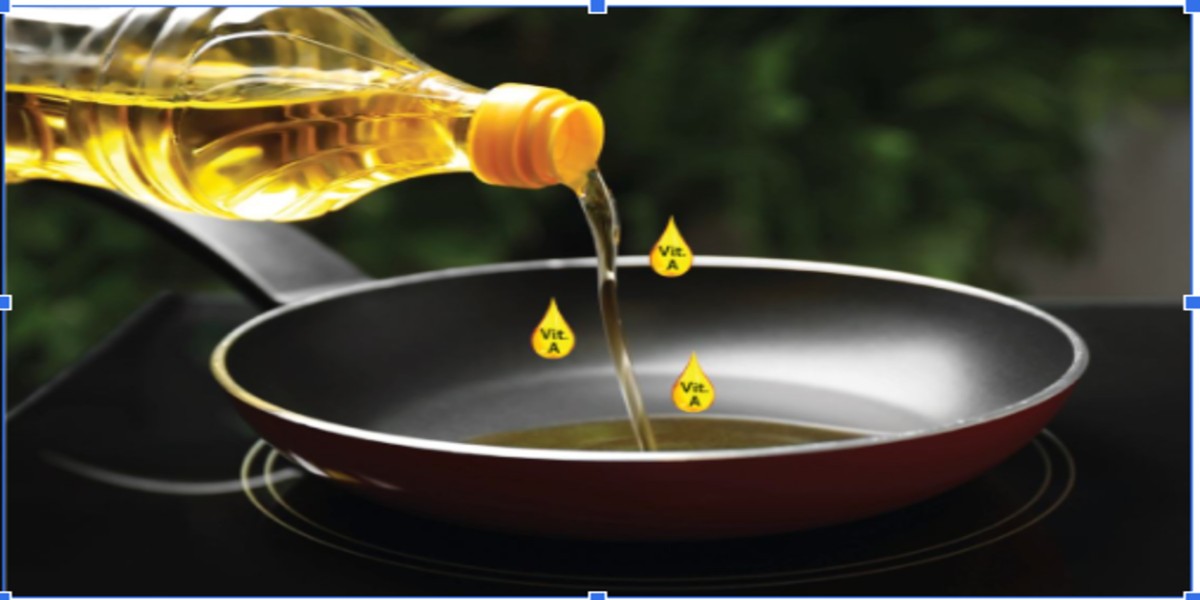
One of the most common labels you will see on cooking oil is "100% Cholesterol-Free." While this sounds like a specialized health benefit, the biological reality is much simpler: all plant-based oils are naturally cholesterol-free.
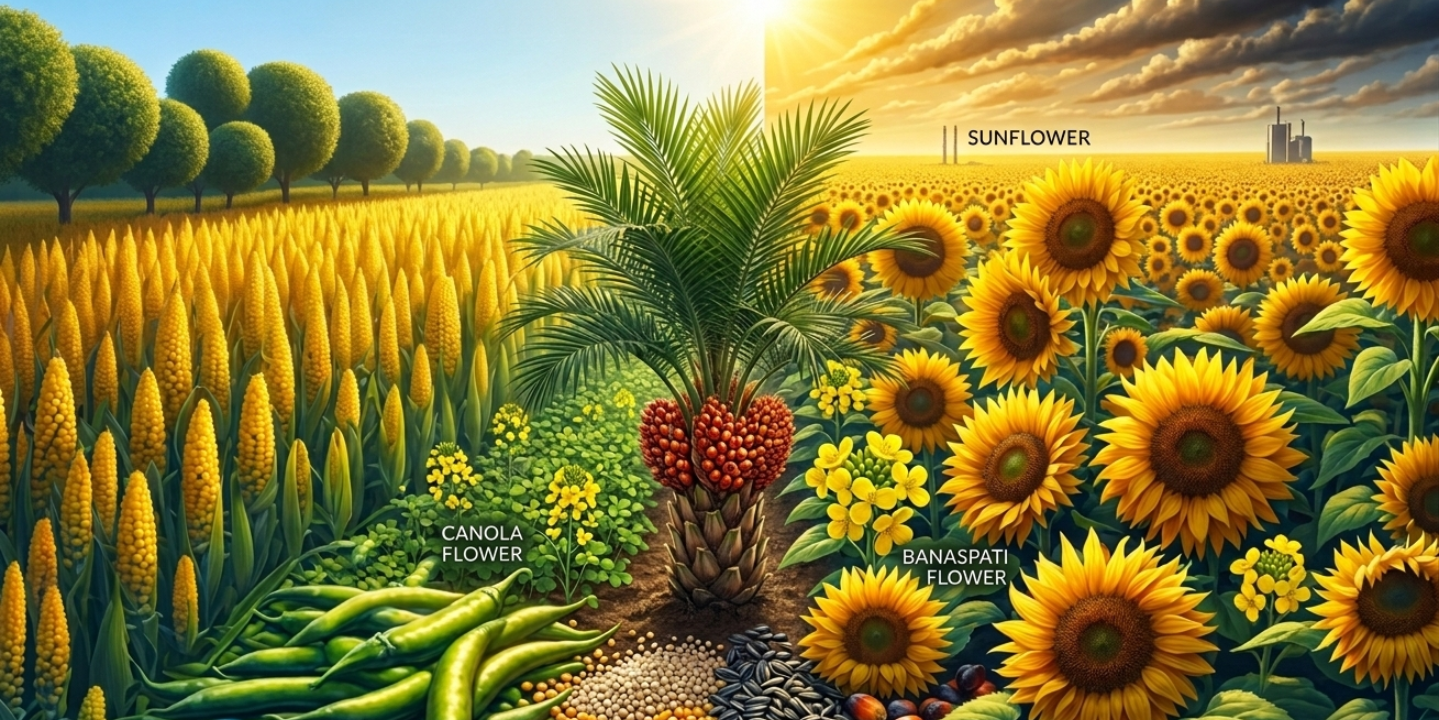
Cholesterol is a lipid that is exclusively produced by animal livers. Therefore, any oil derived entirely from plants such as canola, sunflower, soybean, or corn oil cannot contain cholesterol. When a brand highlights this on a bottle of vegetable oil, they are simply stating a natural fact about plants, not a special modification.
However, "cholesterol-free" does not mean "calorie-free" or "fat-free." All cooking oils are composed entirely of fats and carry roughly the same number of calories per tablespoon. The key to heart health isn't just looking for a cholesterol-free label; it's looking at the balance of saturated and unsaturated fats listed in the nutrition facts.
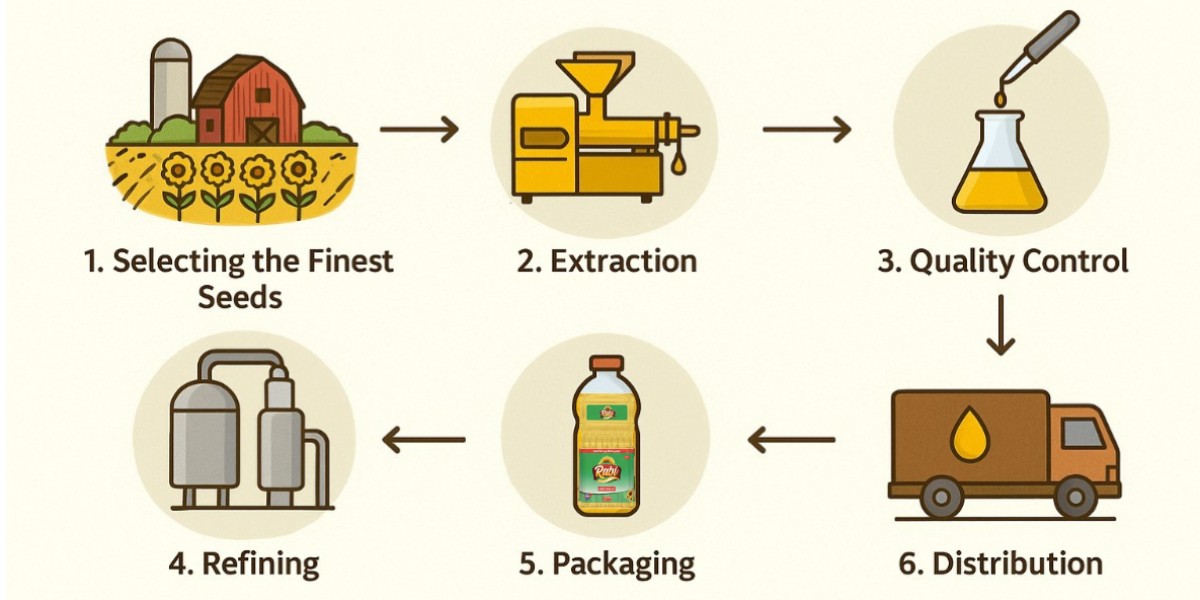
Another term frequently found on local oil pouches and bottles is "Double Refined." To understand this, it helps to look at the processing journey. Crude oil extracted from seeds contains natural impurities, strong odors, and dark pigments that make it unsuitable for high-heat cooking.
Refining is the process of cleaning the oil. When an oil is "Double Refined," it undergoes a multi-stage purification process that typically involves neutralization, bleaching, and deodorization to strip away raw odors so the oil doesn't alter the authentic taste of your handi or korma.
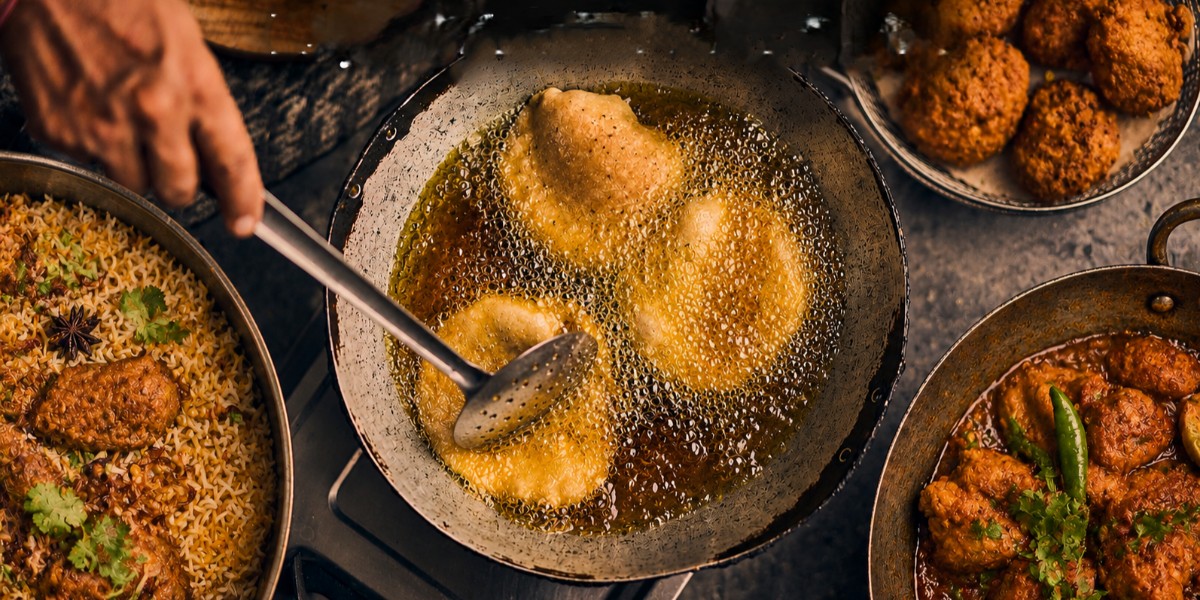
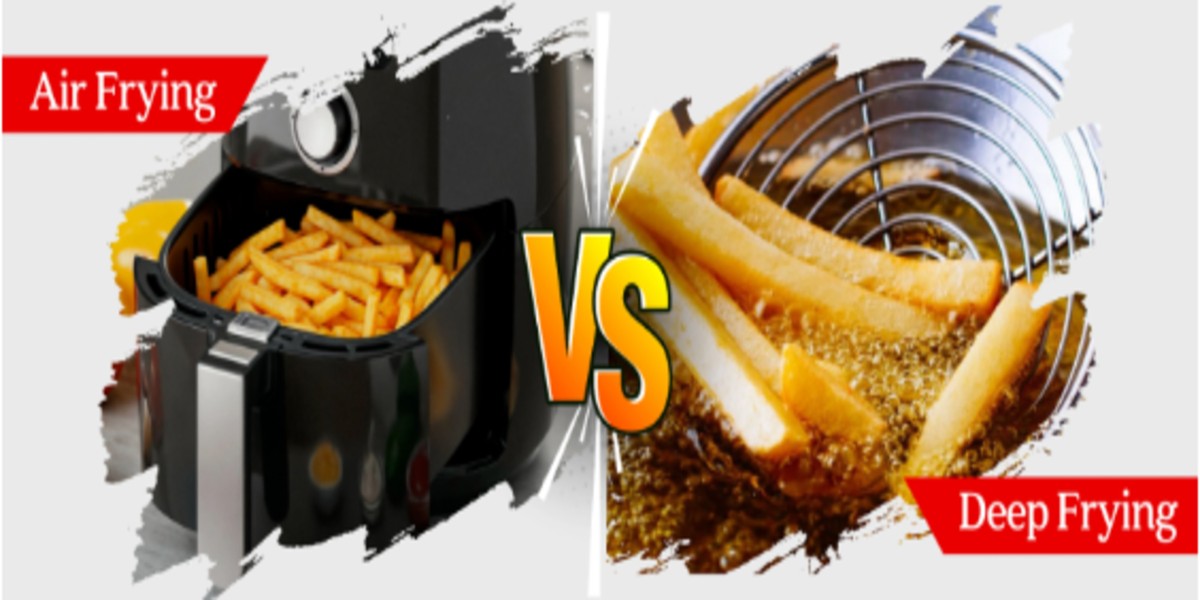
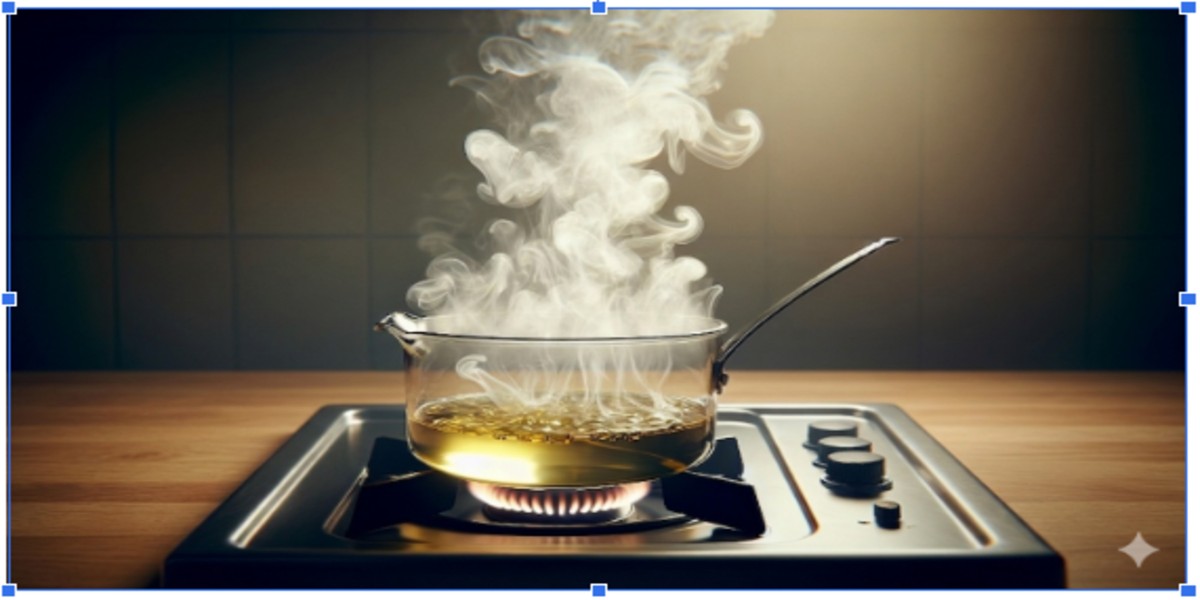
From a health and usability standpoint, double refining raises the oil's smoke point. A higher smoke point is crucial for traditional Pakistani cooking methods like deep frying or high-heat sautéing, as burnt oil releases harmful free radicals. To see how advanced processing transforms raw ingredients into premium kitchen staples, you can explore the modern machinery and filtration methods used behind the scenes on the Rabi Technology page.
Buying the right oil based on its label is only half the battle. Once you open that bottle and expose it to air, light, and heat, the oil begins a natural breakdown process called oxidation. If stored incorrectly, even the highest quality double-refined oil can turn rancid, losing its nutritional value and producing an unpleasant taste.
To protect your investment and your health, proper storage is essential. Always keep your oil in a cool, dark pantry away from the stove, and ensure the lid is tightly sealed after every use. For a complete guide on preserving your oil's quality, check out these highly practical Cooking Oil Storage Tips to keep it fresh and safe for longer.
Deciphering oil labels empowers you to look past marketing buzzwords and choose products based on actual substance. A good cooking oil should offer a high smoke point for safety, a neutral taste to let your spices shine, and a clear, clean profile achieved through proper refining.
Ready to put your nutritional knowledge to use in the kitchen? Gather your ingredients and browse through our collection of wholesome, family-friendly recipes on the Rabi Kitchen portal to start cooking healthier today