

Date: Mar 11, 2026
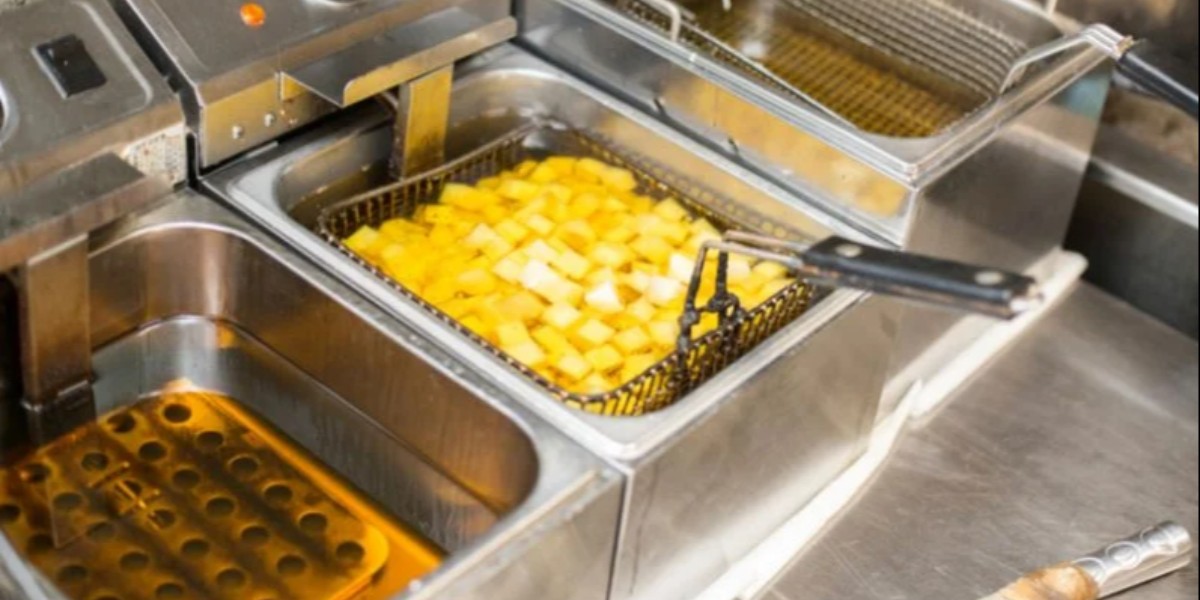
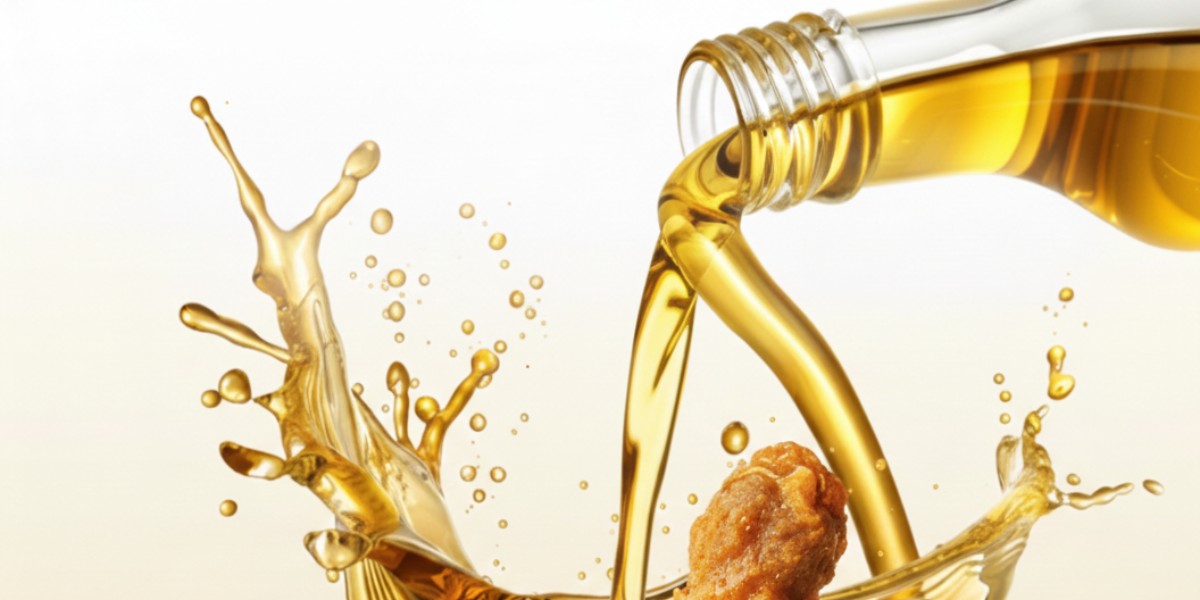
Deep-frying is often viewed as an unhealthy cooking method, but when done correctly, it can result in delicious meals that aren't overly greasy. The secret to healthier deep-frying lies in controlling the temperature, preparing the right batter, and following proper post-frying steps to ensure your food stays crispy rather than oil-soaked.
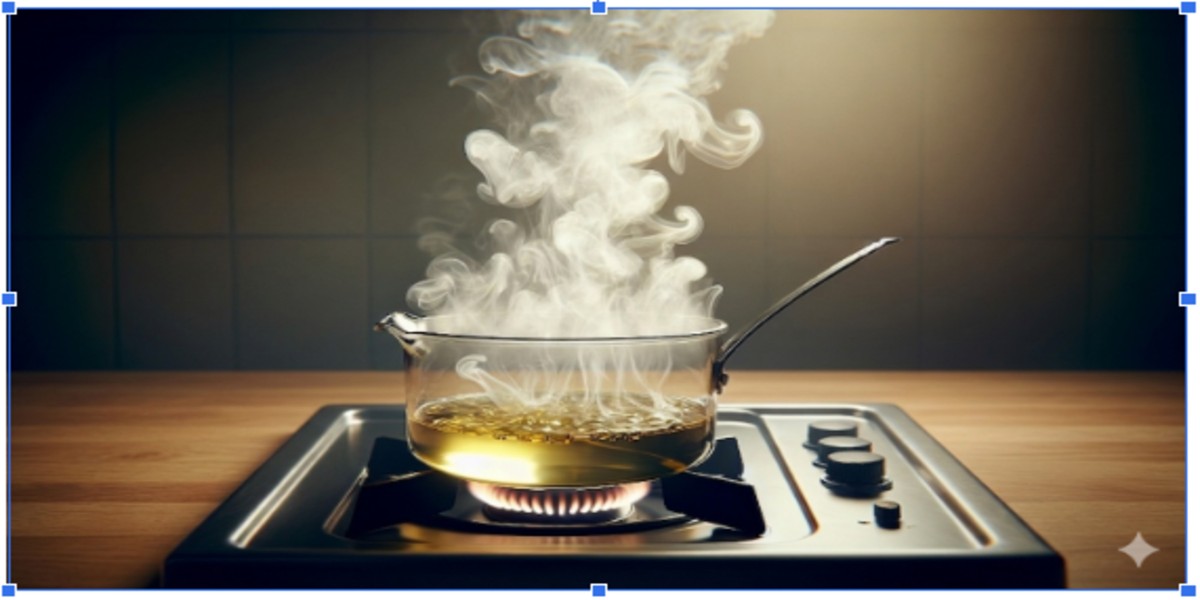
The biggest culprit behind excessive oil absorption is frying at a low temperature. If the oil isn't hot enough, the food won't sear quickly; instead, it will act like a sponge and soak up the grease.
The coating you choose determines how much oil penetrates the food. Thick, heavy batters tend to trap more oil during the cooking process.
Substituting regular water with chilled soda water in your batter creates tiny air bubbles. These bubbles act as a barrier, preventing oil from seeping deep into the food.
Using cornstarch or rice flour instead of all-purpose flour (maida) results in a crispier texture with less oil retention, as these options lack the gluten that holds onto moisture and fat.
Oil absorption doesn't just happen inside the pan; a significant amount occurs after the food is removed while it is cooling down.
Place your fried items on a wire rack or absorbent paper towels immediately. This allows excess surface oil to drip away before it has a chance to settle back into the food as the steam subsides.
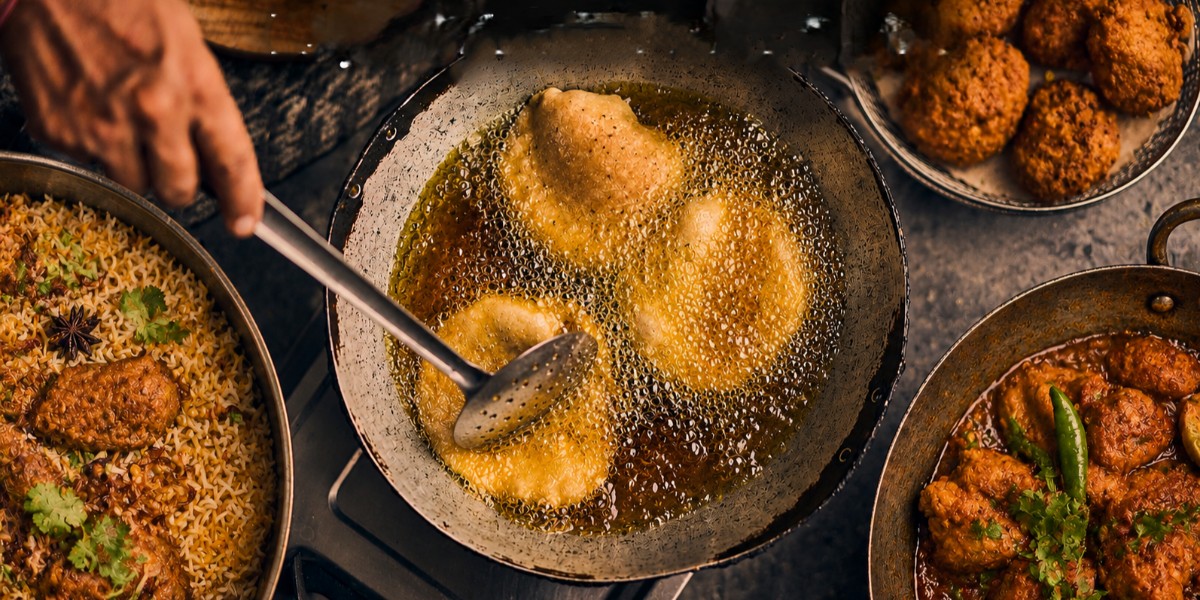
Patience is key to a healthy fry. Adding too many items at once causes the oil temperature to drop rapidly. This results in soggy, oily food that lacks that signature crunch. Always fry in small batches to ensure the temperature remains consistent and each piece has enough space to cook evenly.
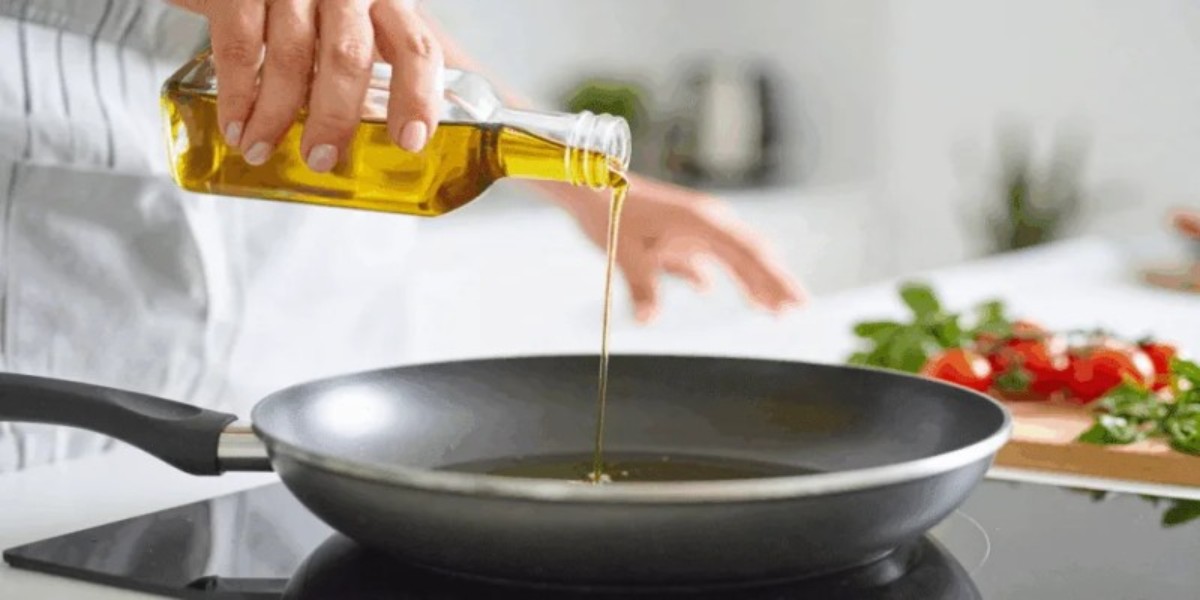
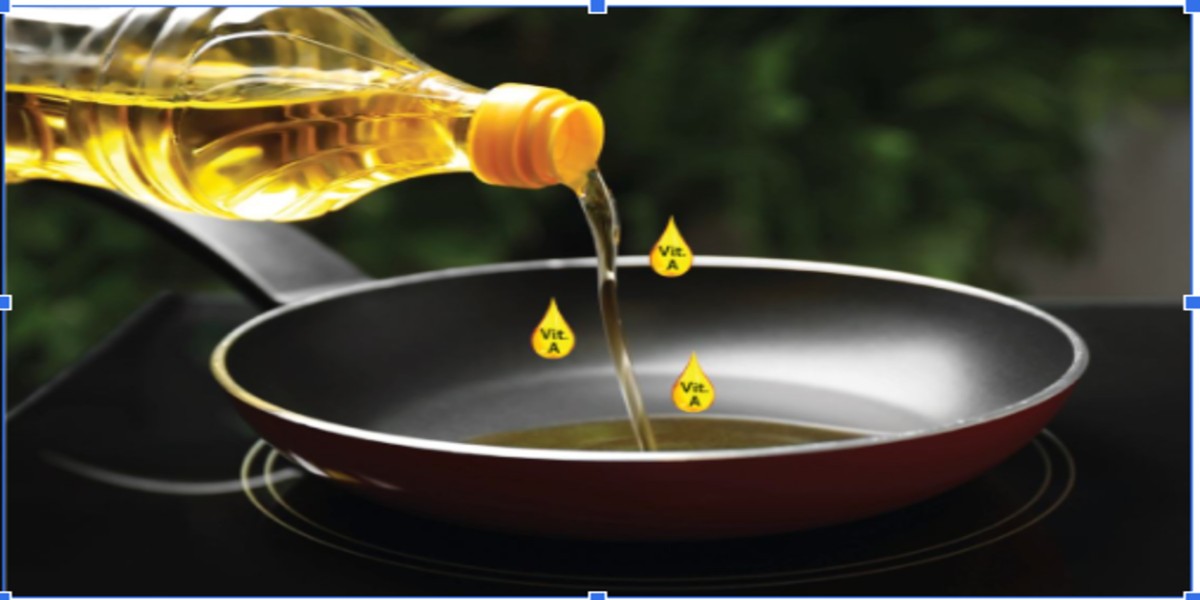
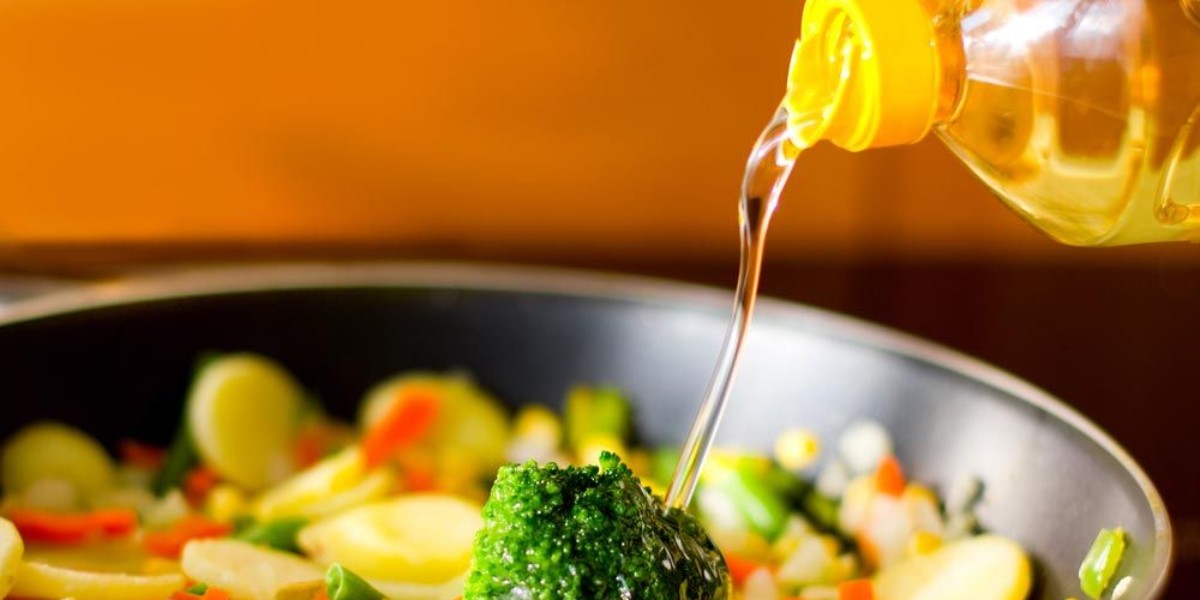
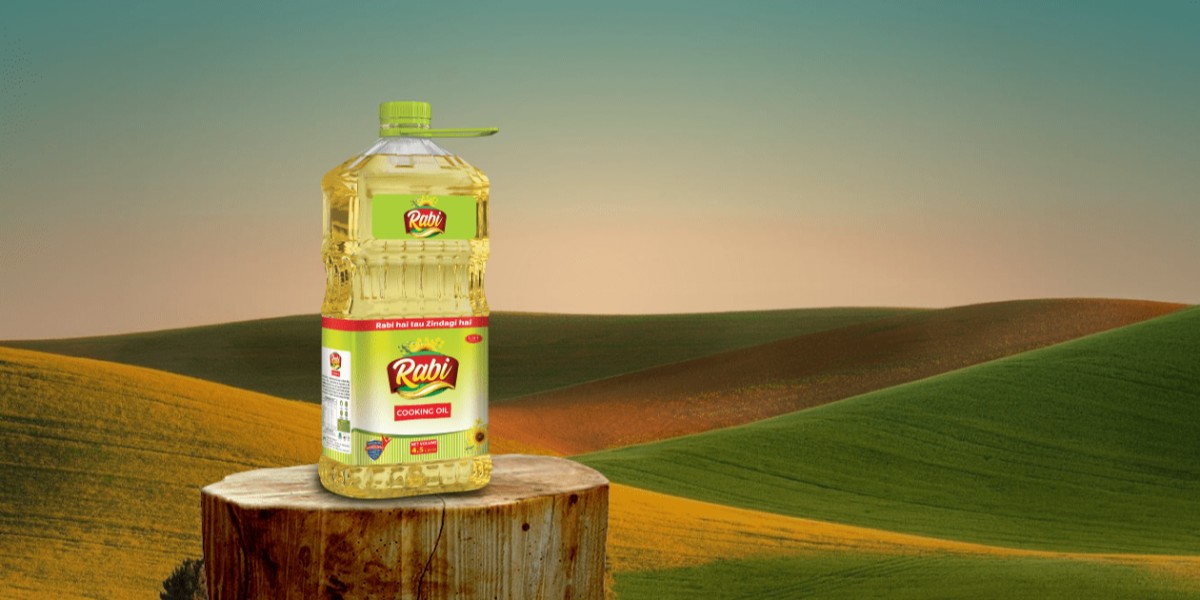
The type of oil you use significantly impacts both the nutritional value and the final taste of your dish. Low-quality oils have low smoke points, meaning they break down quickly and can leave an unpleasant aftertaste or harmful compounds in your meal.
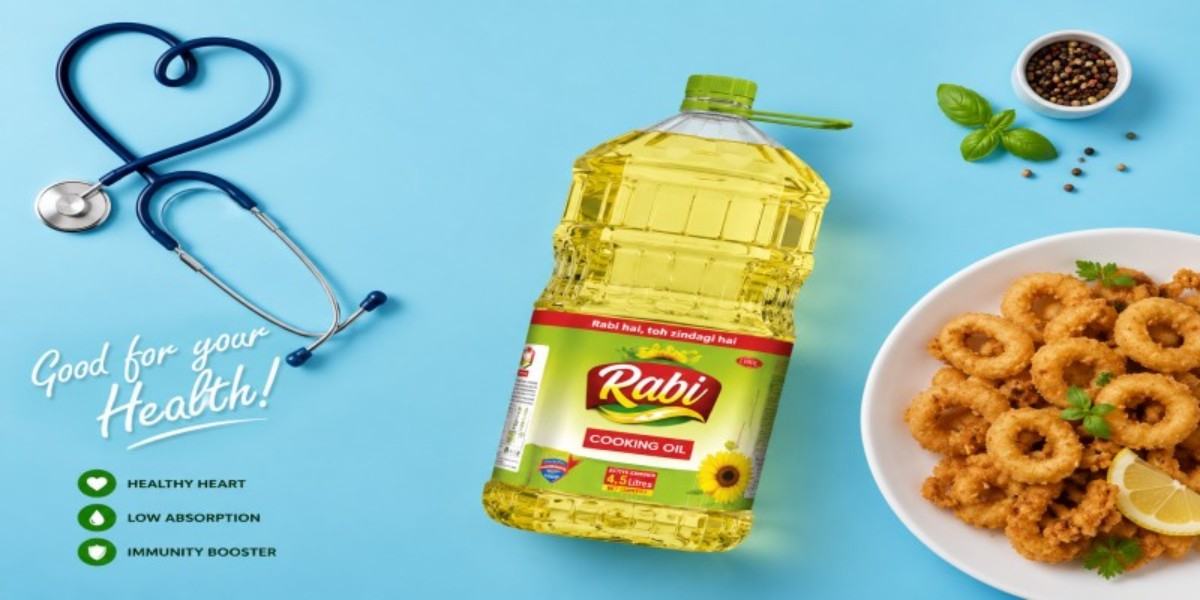
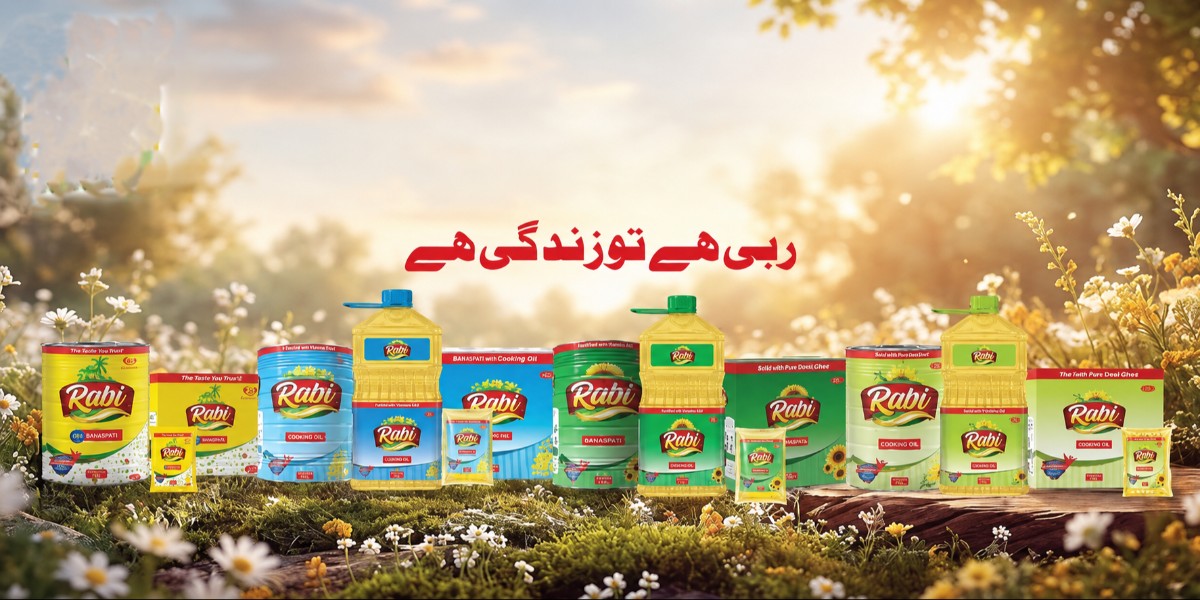
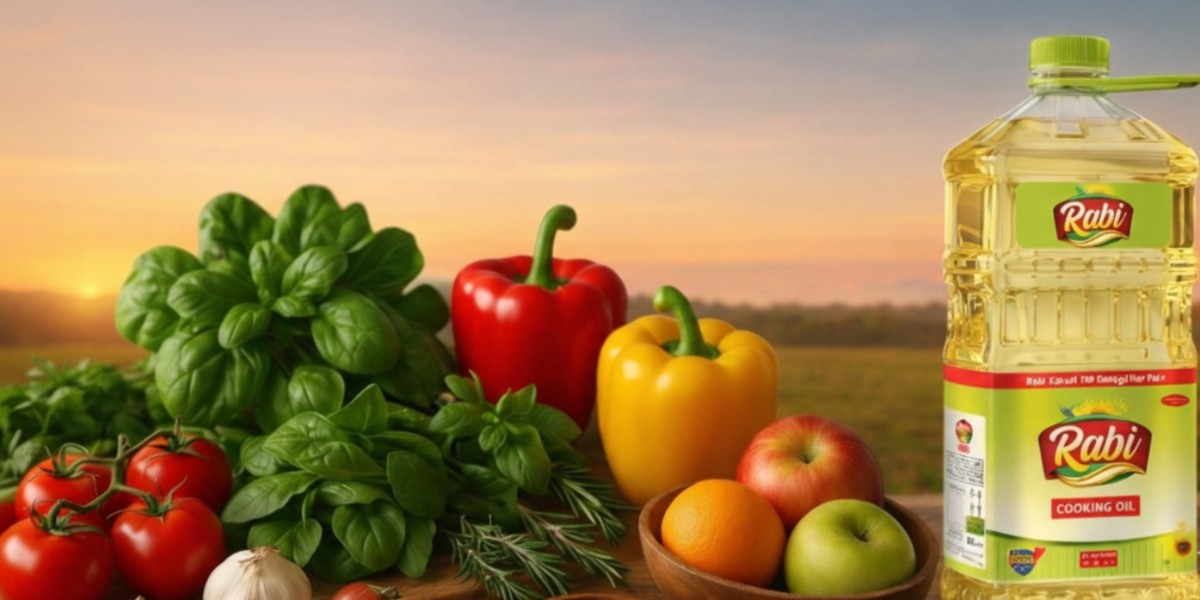
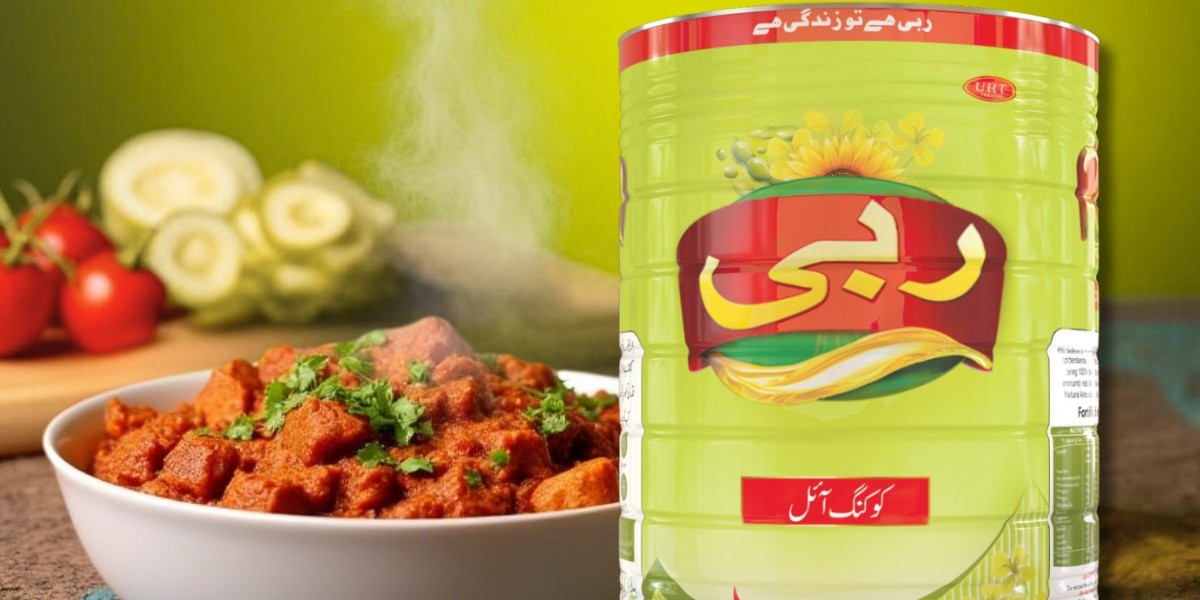
Rabi Foods is dedicated to providing high-quality products that prioritize the health of its consumers. By focusing on purity and nutritional integrity, Rabi Foods ensures that you can prepare wholesome meals for your family without compromising on quality or safety.
The surface area of your food plays a major role in how much oil it absorbs. Smaller or thinner pieces have a higher surface-to-volume ratio, which naturally leads to more oil uptake. Try to cut your food into uniform, medium-sized pieces so they cook through quickly without spending excessive time submerged in the oil.
Achieving the perfect, healthy fry is entirely possible with a few mindful adjustments. By focusing on temperature control, using light coatings, and selecting premium ingredients, you can significantly reduce the fat content of your favorite dishes.
Deep-frying doesn't have to be a cheat meal with the right technique; it can be a balanced part of your culinary repertoire. For more details on our premium product range and healthy cooking inspiration, visit our official website at Rabi Foods.