

Date: Jun 18, 2026
In almost every Pakistani household, our elders, our Dadas, Dadis, Nanas, and Nanis, are the heart of the family. They are the ones who passed down the rich culinary traditions we enjoy today. However, as our parents and grandparents cross the age of 60, their nutritional needs change drastically.
Two of the most common health challenges faced by Pakistani seniors are hypertension (high blood pressure) and high cholesterol.
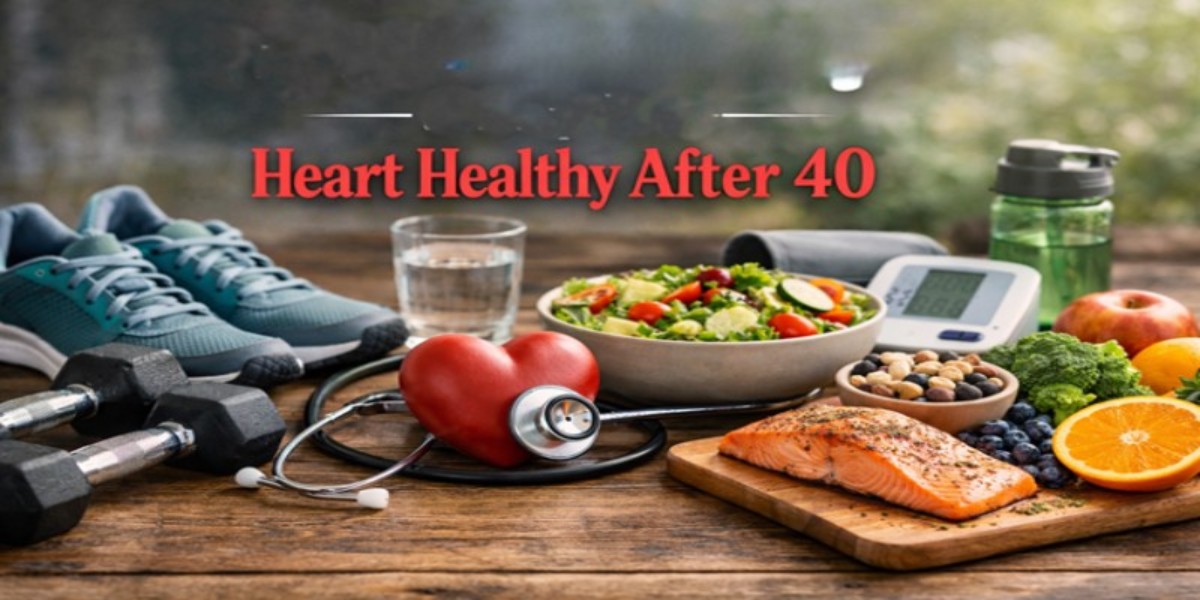
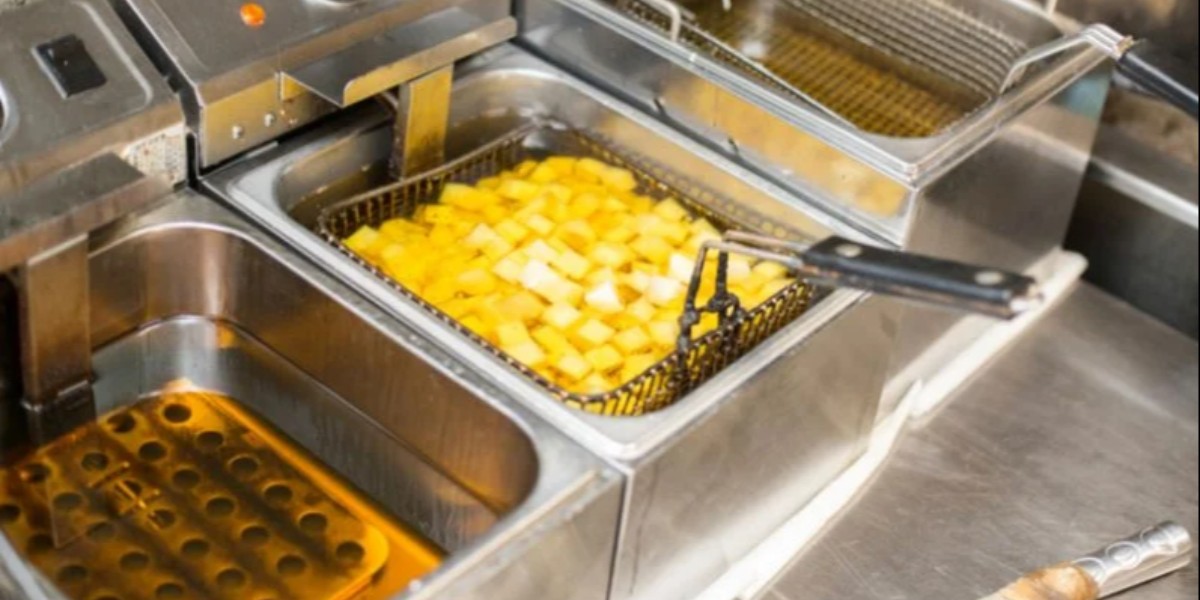
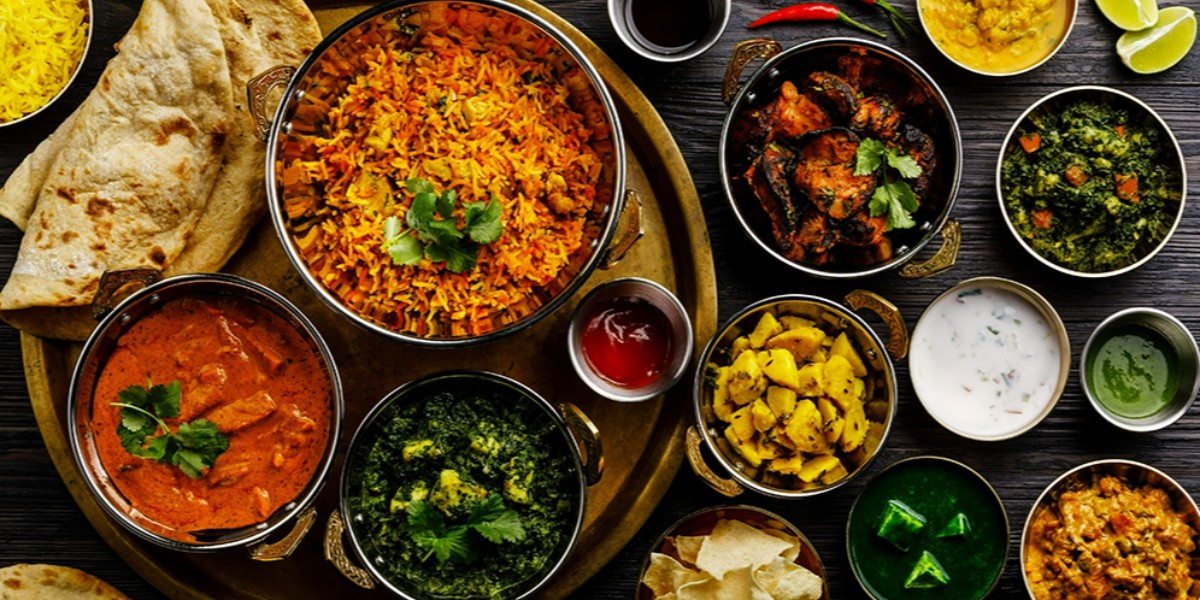
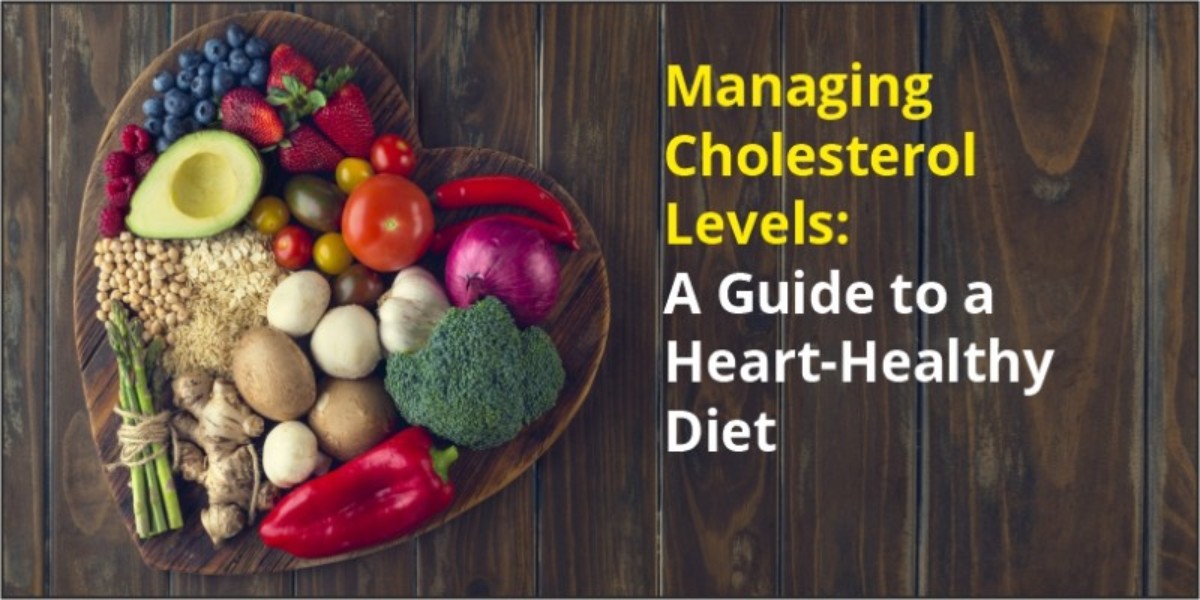
Traditional Pakistani cuisine is notoriously famous for its heavy use of saturated fats, hidden salts, and deep frying. While younger metabolisms can sometimes handle these heavy meals, they can be dangerous for seniors with cardiovascular vulnerabilities. The good news? You do not have to strip your elders of their favorite comfort foods. By making a few scientific, smart adjustments in the kitchen, you can prepare heart-healthy meals that keep their blood pressure stable and their hearts strong.
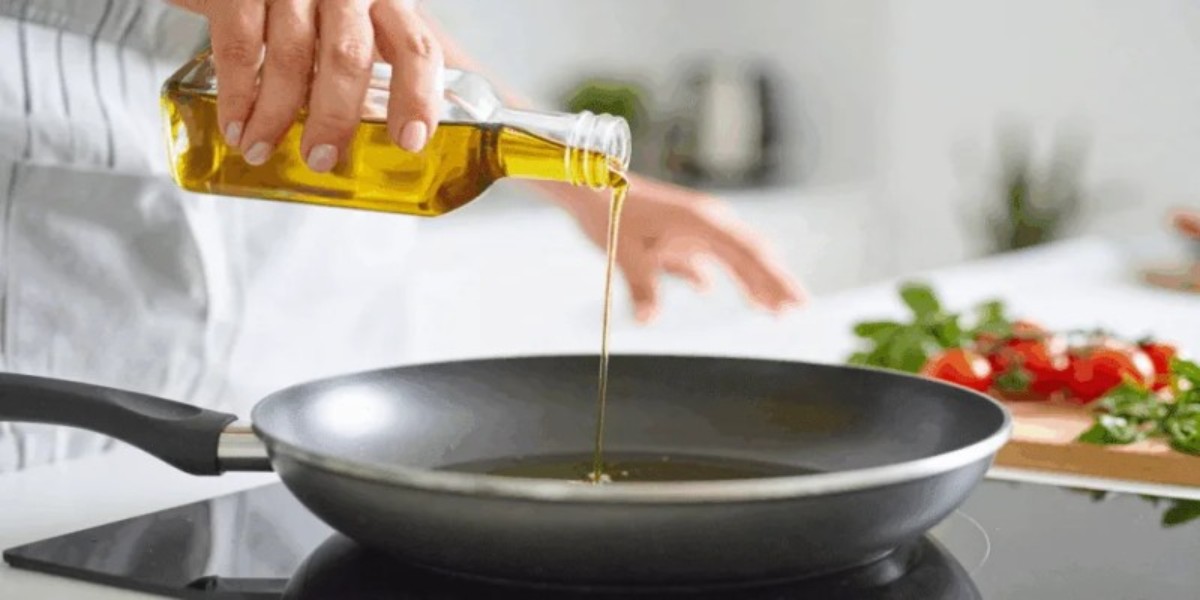
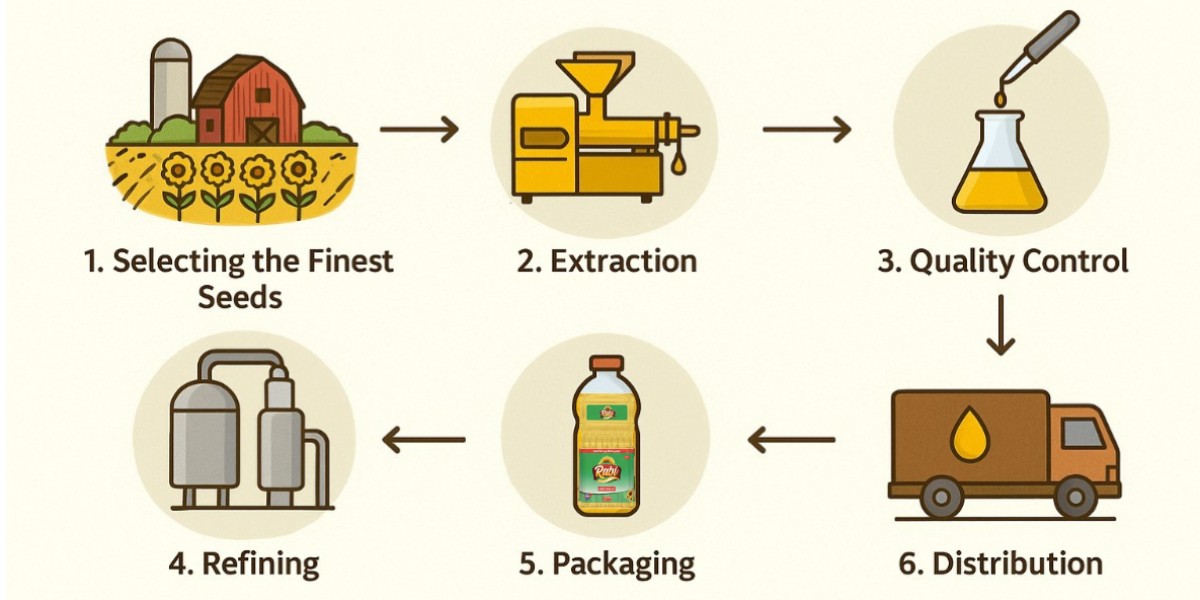
The single most impactful change you can make for a senior's heart health happens before you even turn on the stove: choosing the right cooking oil.
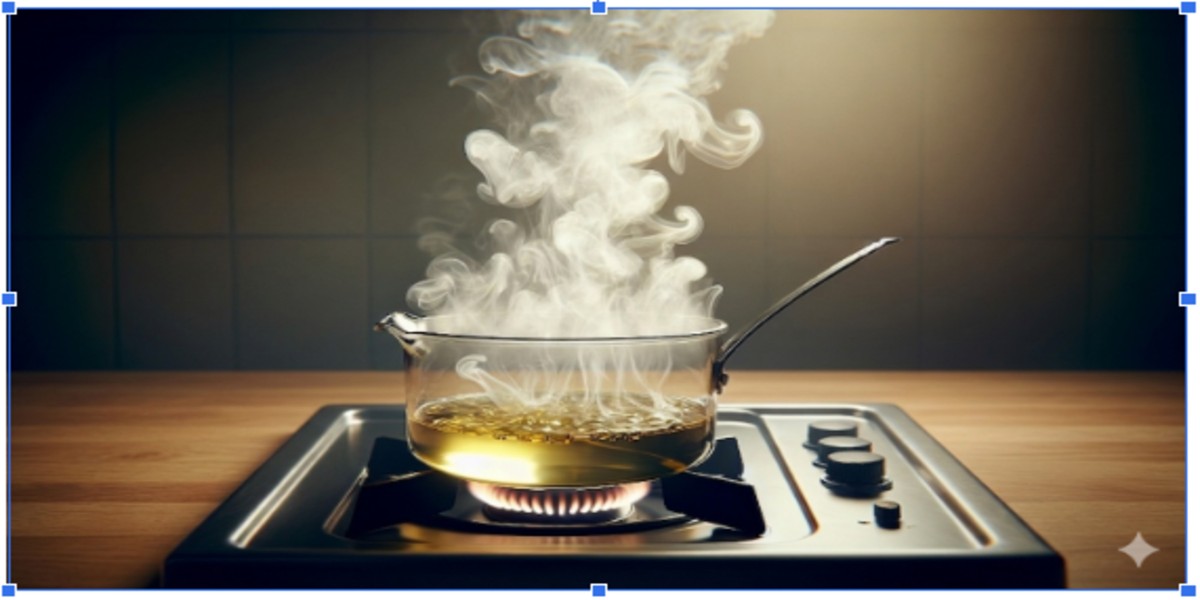
Traditional cooking often relies heavily on unrefined solid fats, which are packed with saturated fatty acids. These fats directly contribute to the buildup of Low-Density Lipoprotein (LDL) or "bad" cholesterol in the bloodstream, narrowing the arteries and forcing the heart to pump harder, leading directly to hypertension.
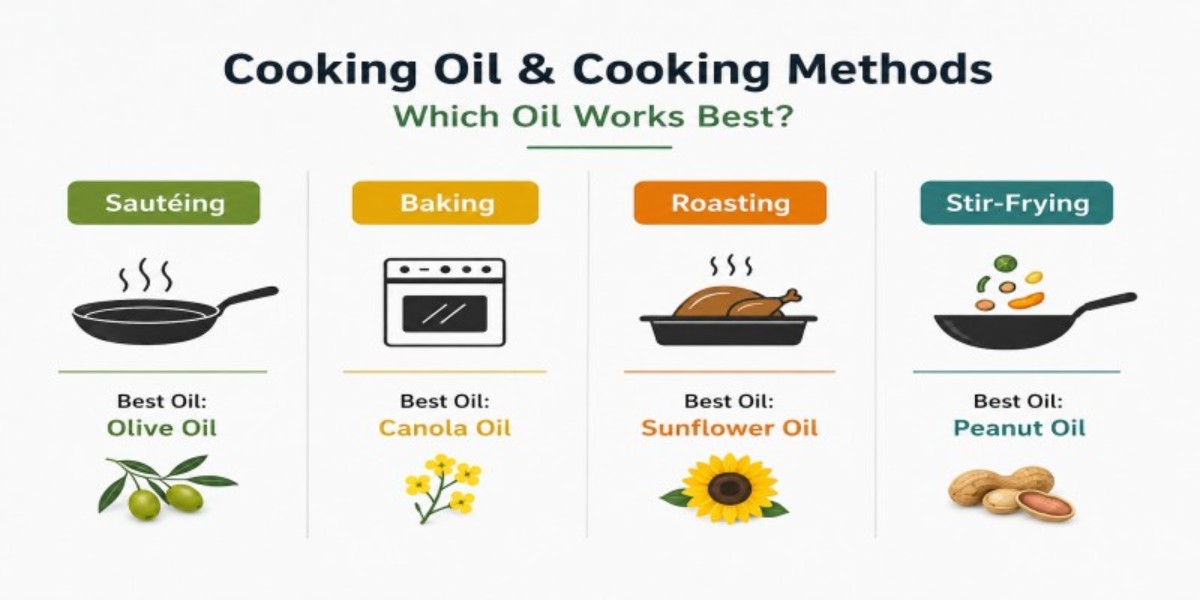
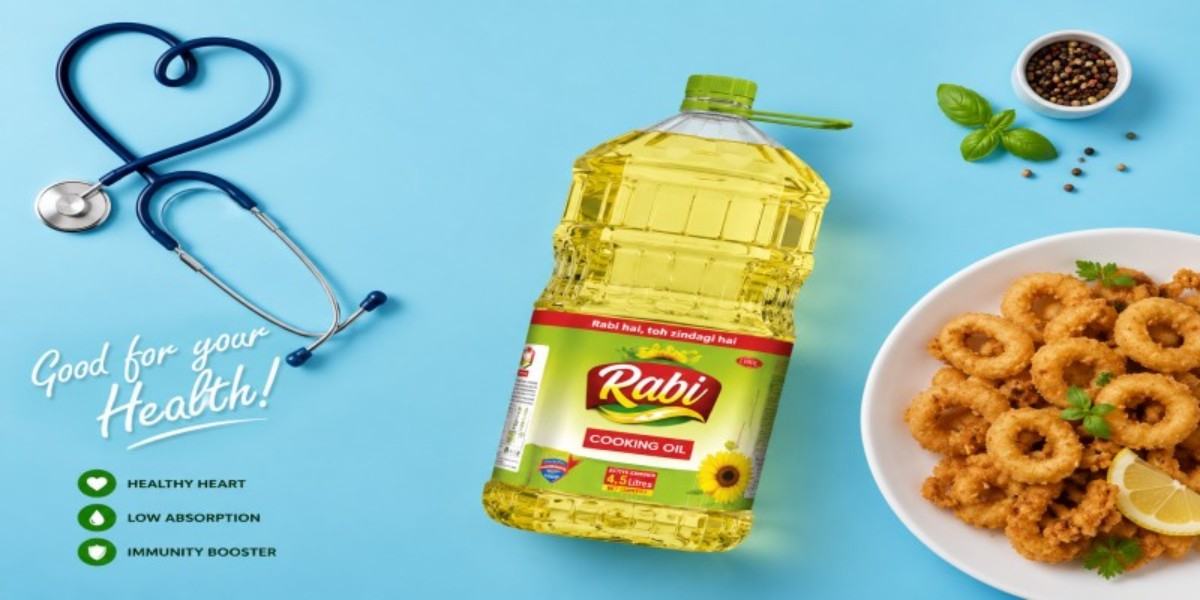
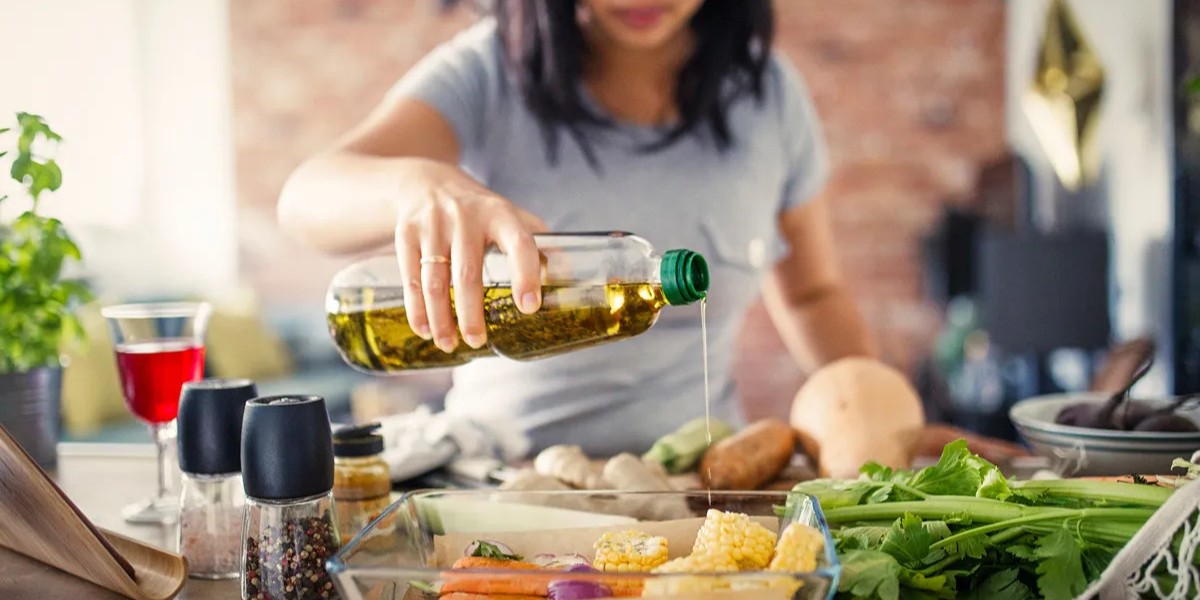
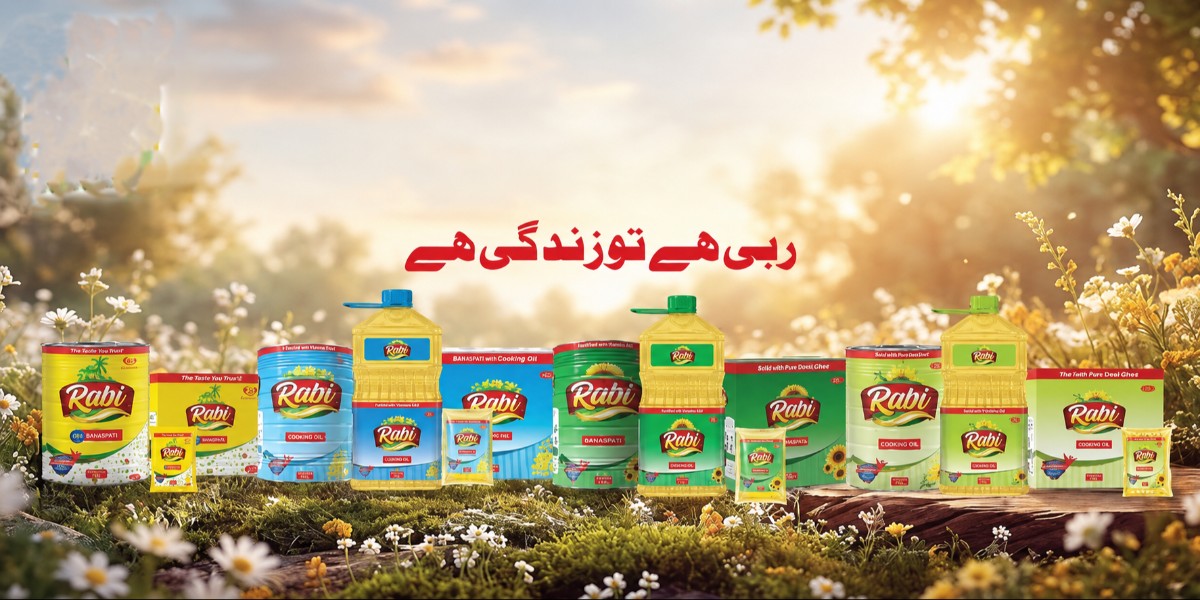
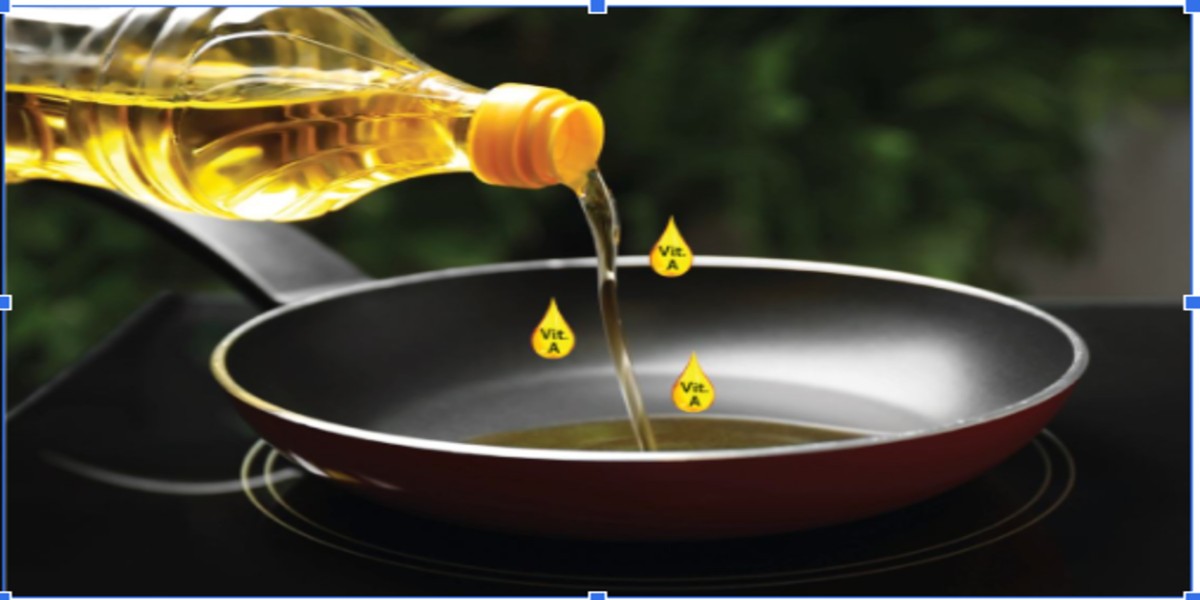
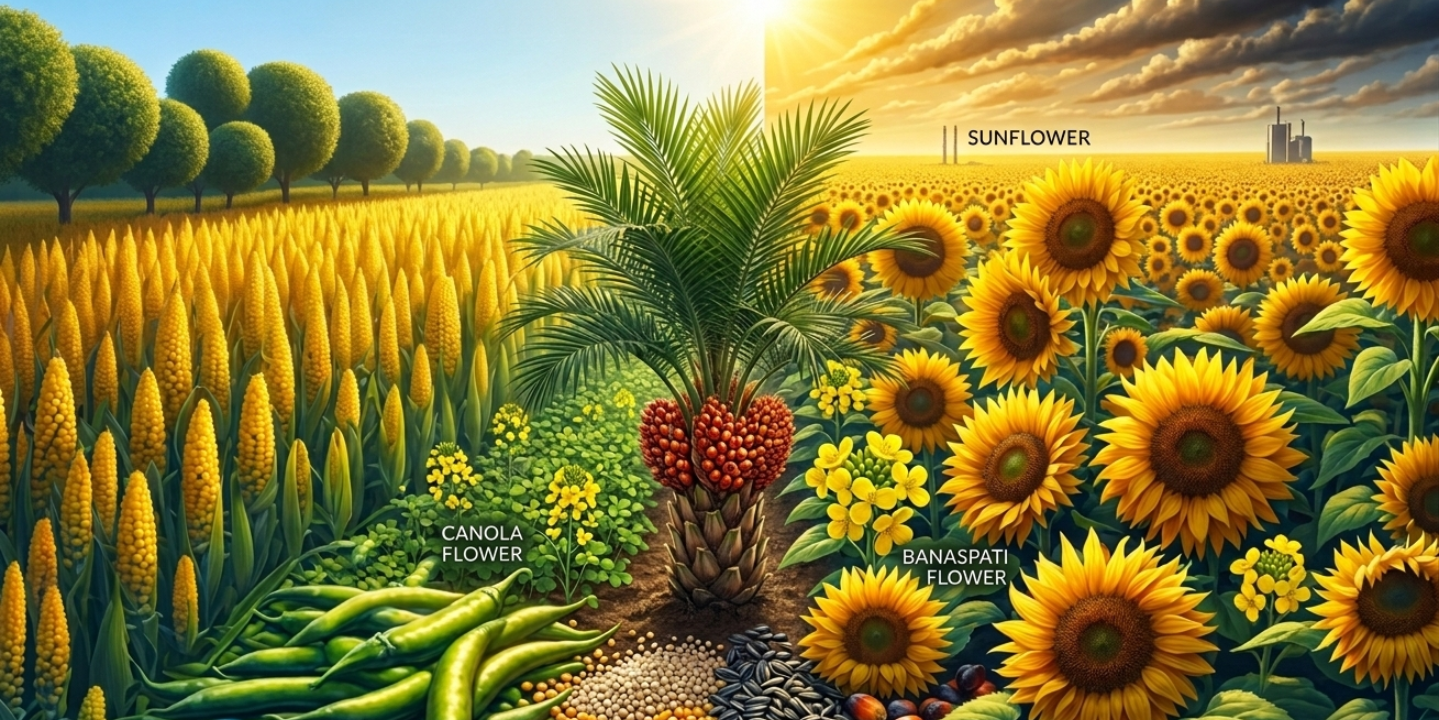
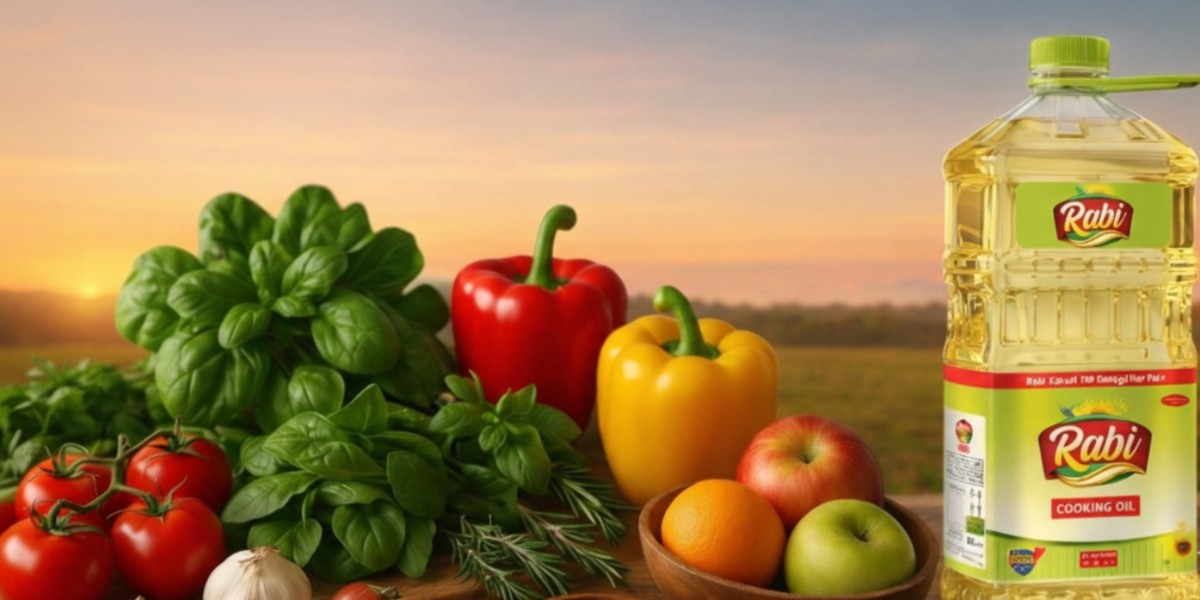
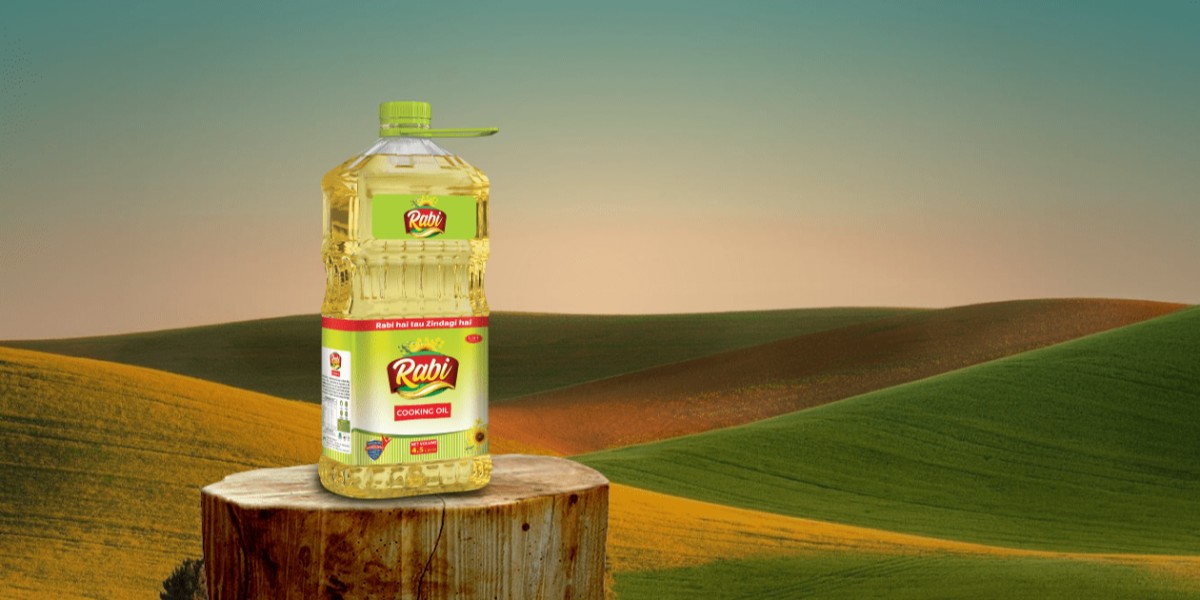
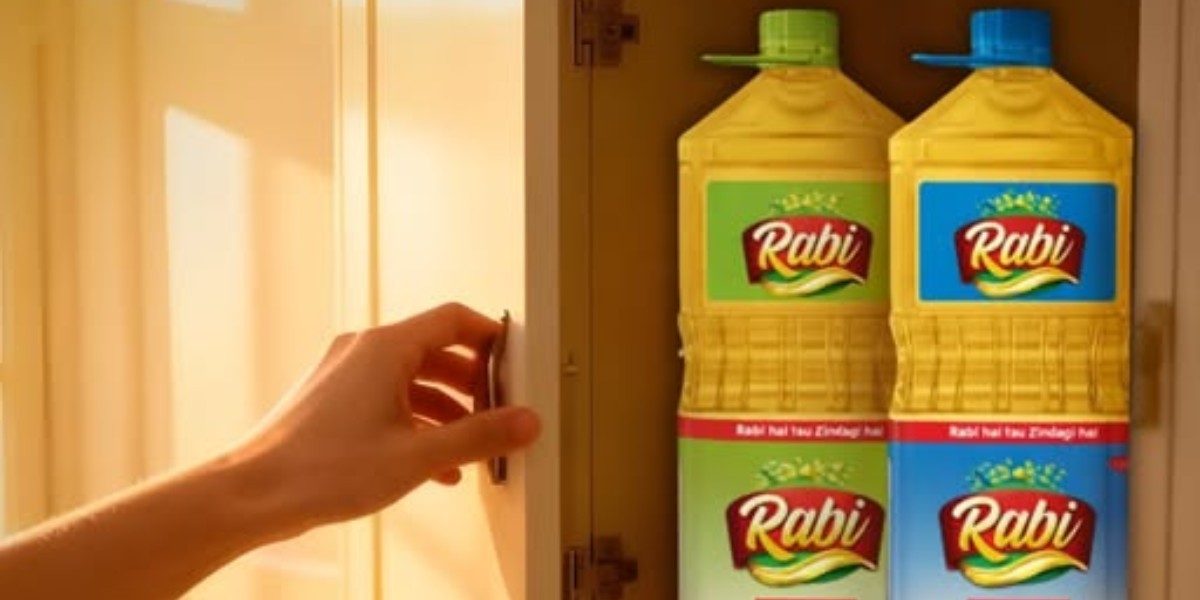
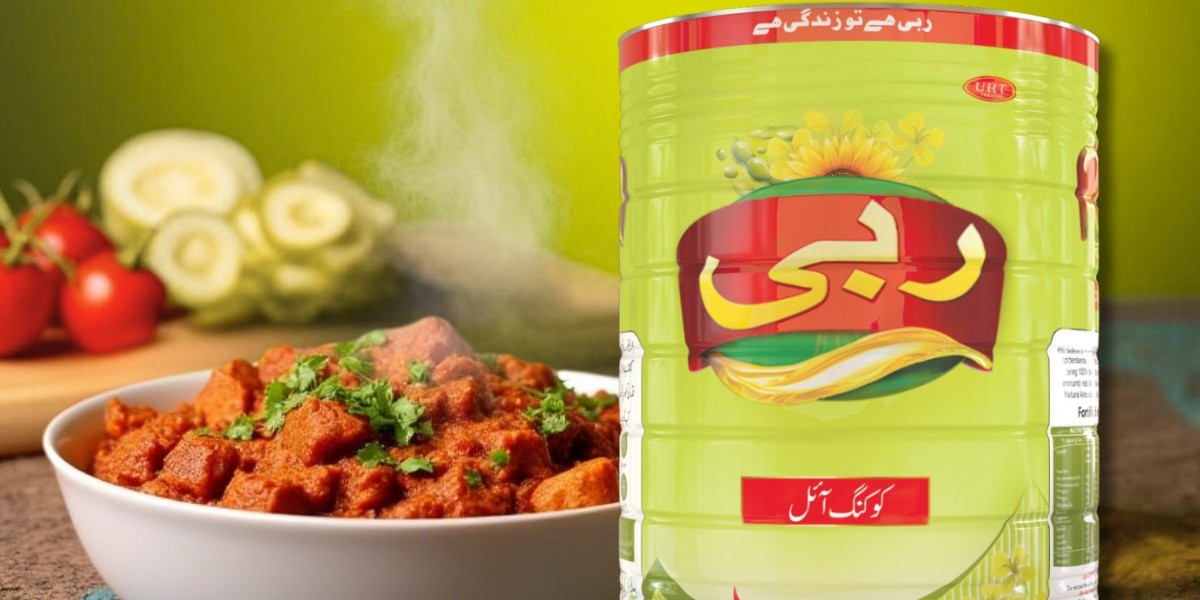
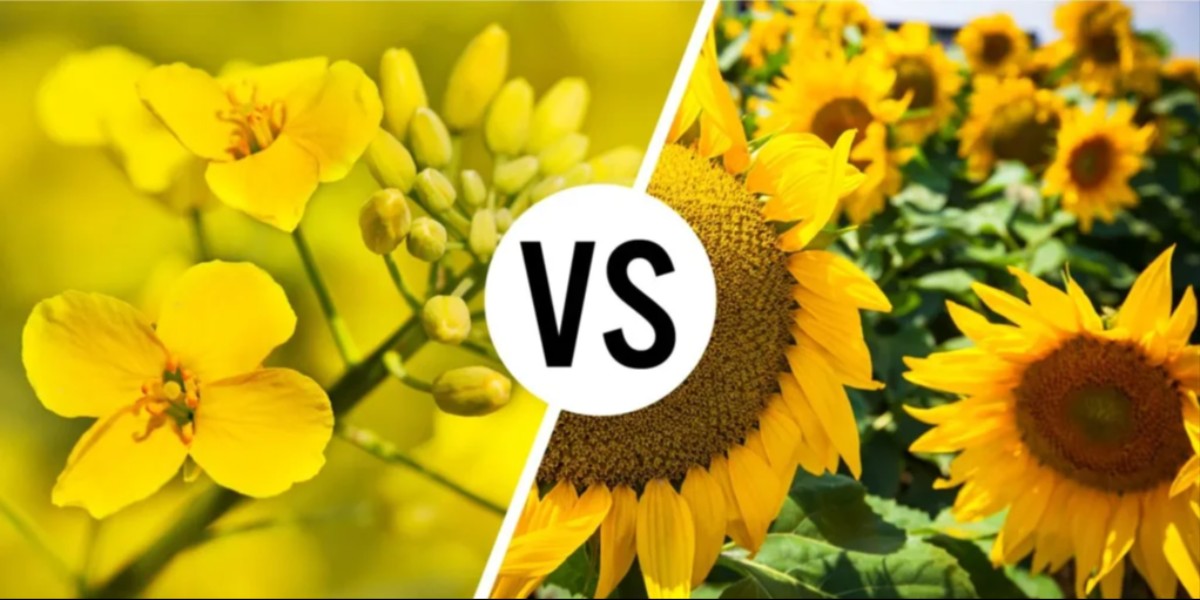
Switching to premium liquid vegetable oils rich in Monounsaturated Fatty Acids (MUFA) and Polyunsaturated Fatty Acids (PUFA) helps actively lower bad cholesterol while maintaining good cholesterol (HDL). Explore the premium range of heart-healthy Products by Rabi Foods, such as double-refined Canola and Sunflower oils. These oils are incredibly light, light on the stomach, and formulated to support cardiovascular wellness without altering the authentic taste of Desi food.
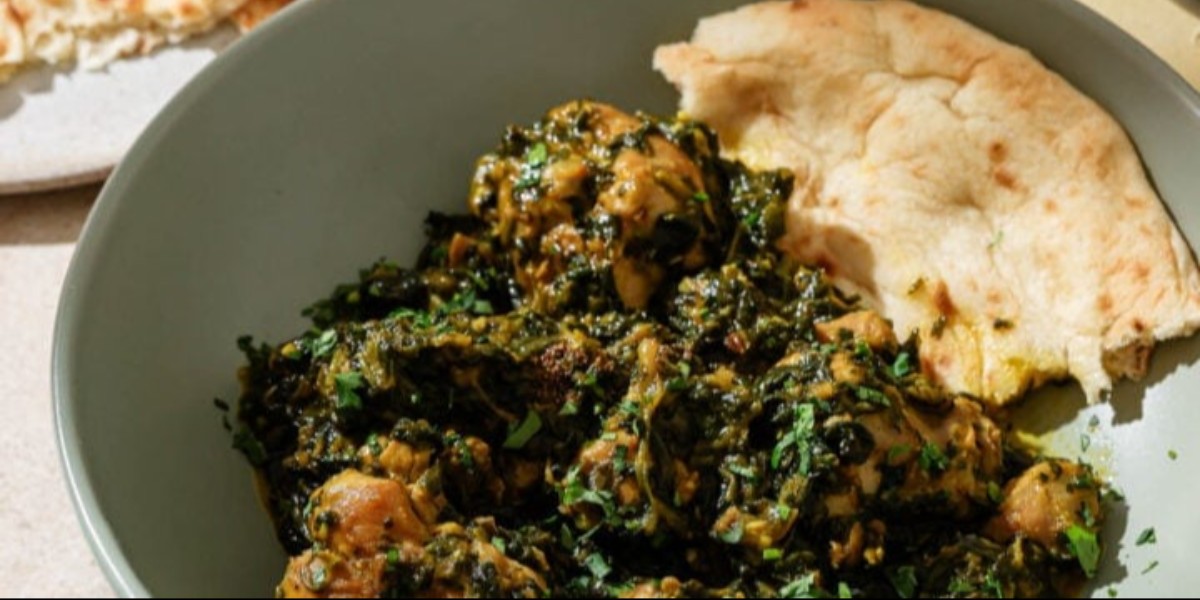
We often assume that a good Karahi or Daal requires a thick layer of oil floating on top (tari) to taste authentic. For seniors, this extra oil is highly hazardous.
You can easily re-engineer the traditional cooking process in the Rabi Kitchen to protect their heart health:
The Sauté Shield
Instead of free-pouring oil for the masala base, strictly measure out 1 to 2 tablespoons of refined canola oil.
Steam-Assisted Cooking
When frying onions, ginger, and garlic, add a splash of water or low-sodium broth and cover the pan with a lid. The steam will cook the aromatics beautifully, giving you that rich, soft texture without needing a cup full of fat.
The Lean Meat Shift
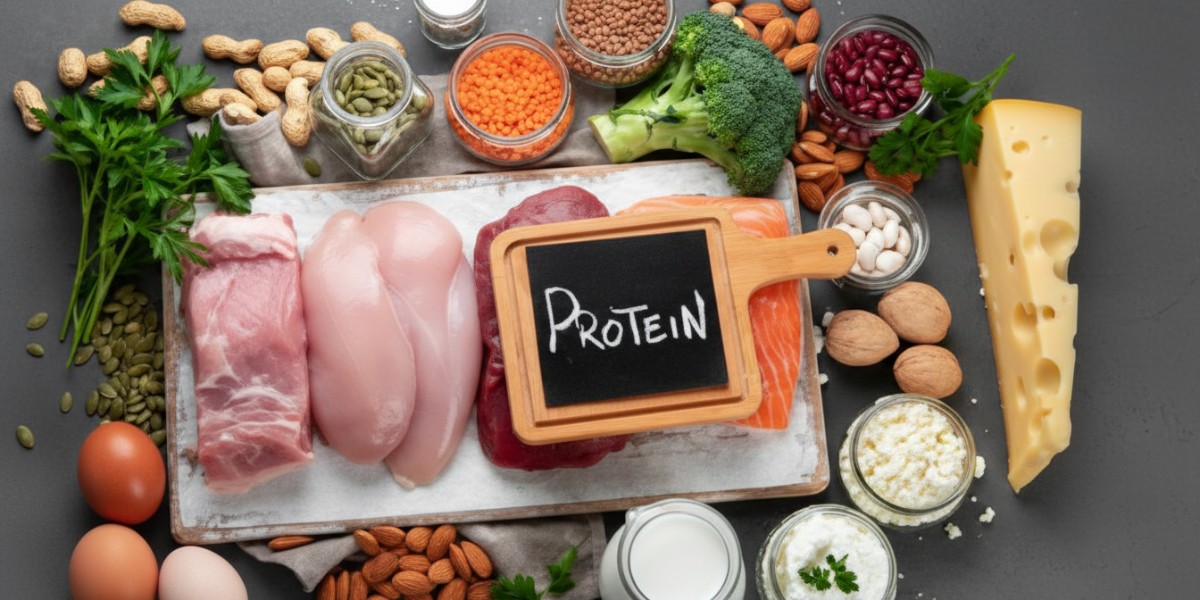
Swap out high-fat red meats (mutton and beef with visible fat) for skinless chicken breast or fish, which provide excellent lean protein for preserving aging muscle mass without clogging arteries.
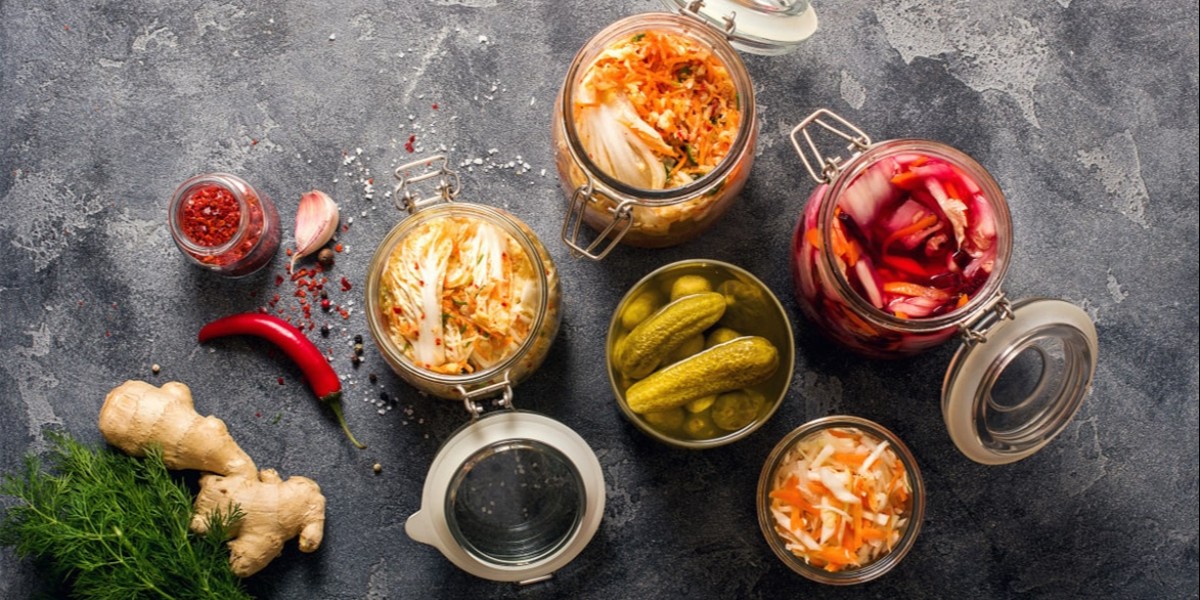
Hypertension is directly linked to high sodium intake. The traditional Pakistani kitchen relies heavily on table salt, commercial spice mixes (which contain hidden sodium and preservatives), and processed pickles (achaar).
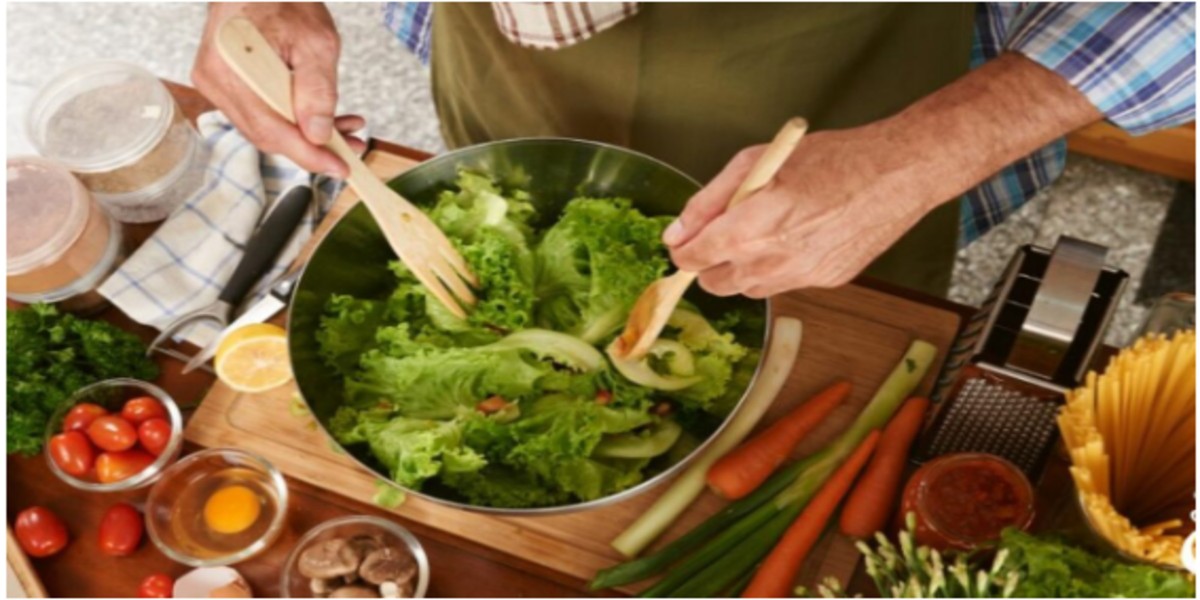
To lower a senior's blood pressure, you must reduce salt. But less salt doesn't have to mean bland food. You can replace the kick of sodium by heavily utilizing fresh herbs and spices. Read more about the incredible healing power of whole foods in this guide on the Benefits of Using Natural Ingredients to see how spices can revolutionize your healthy cooking.
Garlic and Ginger
Both are natural vasodilators, meaning they help relax blood vessels and naturally lower blood pressure.
Lemon Juice & Yogurt
If a dish tastes flat without salt, add a squeeze of fresh lemon juice or a dollop of low-fat yogurt at the end. The acidity tricks the palate into thinking the dish is saltier than it actually is.
Cumin and Coriander
Dry-roasting whole cumin (zeera) and coriander seeds (dhaniya) before grinding them releases rich, smoky oils that add massive depth to any salan or daal.
|
|
|
|
|
|
|
|
|
|
|
|
|
|
|
Caring for our elders means looking after what goes onto their plates. Managing cholesterol and hypertension doesn't require a radical, tasteless diet that makes them feel isolated at the dinner table. It simply requires cooking with premium, pure ingredients and utilizing smart kitchen techniques.
By making the switch to light, premium oils and incorporating natural herbs, you can ensure that your parents and grandparents enjoy long, vibrant lives filled with the Desi flavors they hold dear