

Date: Aug 29, 2025
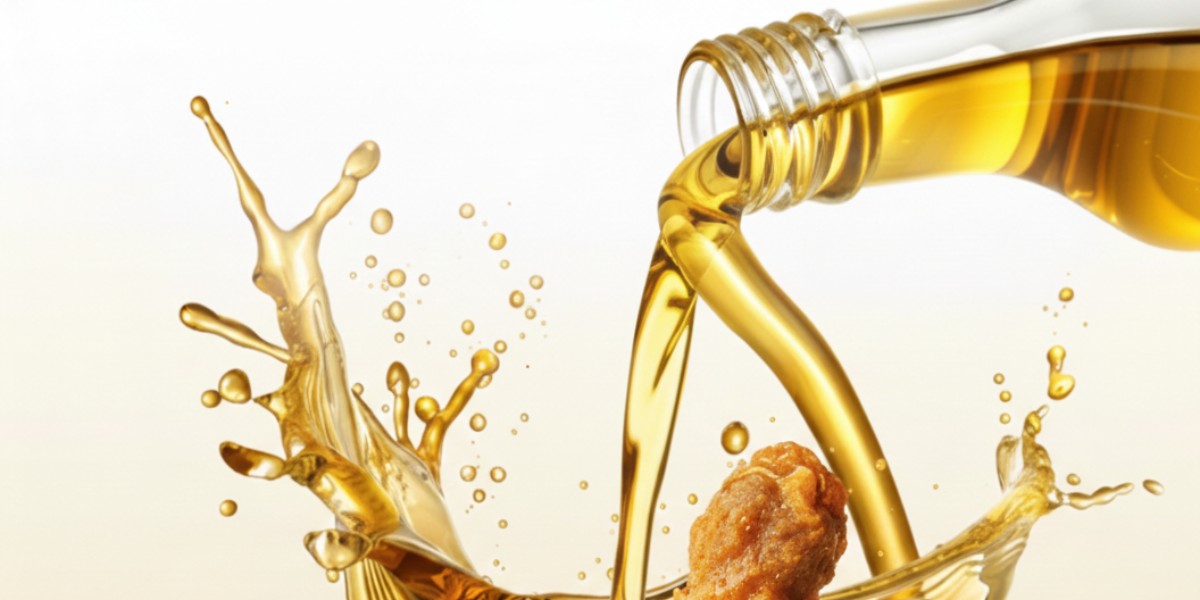
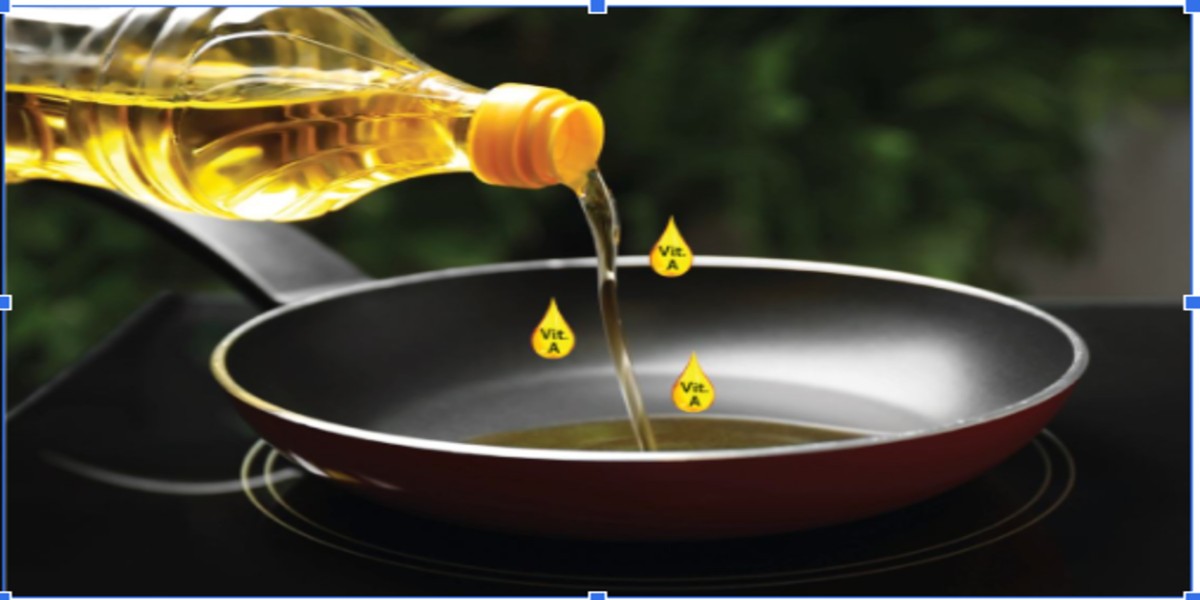
Reducing oil absorption during cooking has become an important concern for health-conscious families. With rising awareness about heart health and balanced diets, people are now paying closer attention to the type of oil they use and how it behaves during cooking. Modern kitchens are shifting toward healthier cooking oils that support better nutrition without compromising taste. Advances in cooking oil technology have made it possible to enjoy traditional meals with less oil absorption and improved health benefits.
Oil absorption occurs when food soaks up excess oil during frying or cooking at high temperatures. This usually happens due to improper oil quality, unstable fats, or incorrect cooking methods. Foods that absorb too much oil become heavier, harder to digest, and higher in calories.
Choosing oils that are designed to perform well at higher temperatures can significantly help reduce oil absorption. Oils with better heat stability maintain their structure during cooking, preventing food from absorbing unnecessary fats.
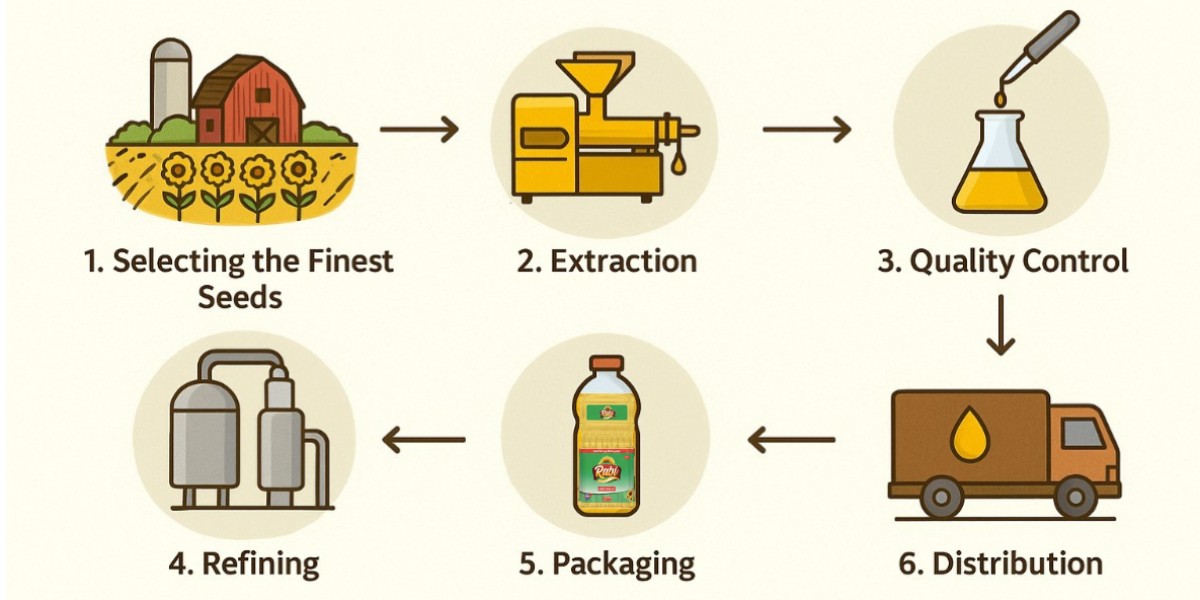
In recent years, cooking oil technology has evolved to address common health concerns. Modern refining processes focus on maintaining oil stability, improving heat resistance, and ensuring consistent performance during cooking.
These technologies work by:
As a result, food absorbs less oil, making meals lighter and easier to digest.
One of the key factors in healthier cooking oils is their ability to remain stable under heat. Oils rich in unsaturated fats, such as MUFAs and PUFAs, tend to perform better when refined properly.
Stable oils:
This is especially important in Pakistani kitchens where frying and deep-frying are common cooking methods.
Along with choosing the right oil, cooking habits also play a major role in minimizing oil absorption:
By combining proper cooking techniques with advanced cooking oil technology, families can enjoy traditional dishes in a healthier way.
The quality of oil directly impacts how much oil food absorbs. Poor-quality oils break down quickly, causing food to soak up more fat. High-quality oils, on the other hand, are refined to ensure consistency, purity, and performance.
Understanding oil quality helps consumers make informed choices that support long-term health. You can learn more about cooking oil quality and refining processes from trusted food and nutrition resources, such as health and nutrition research platforms.
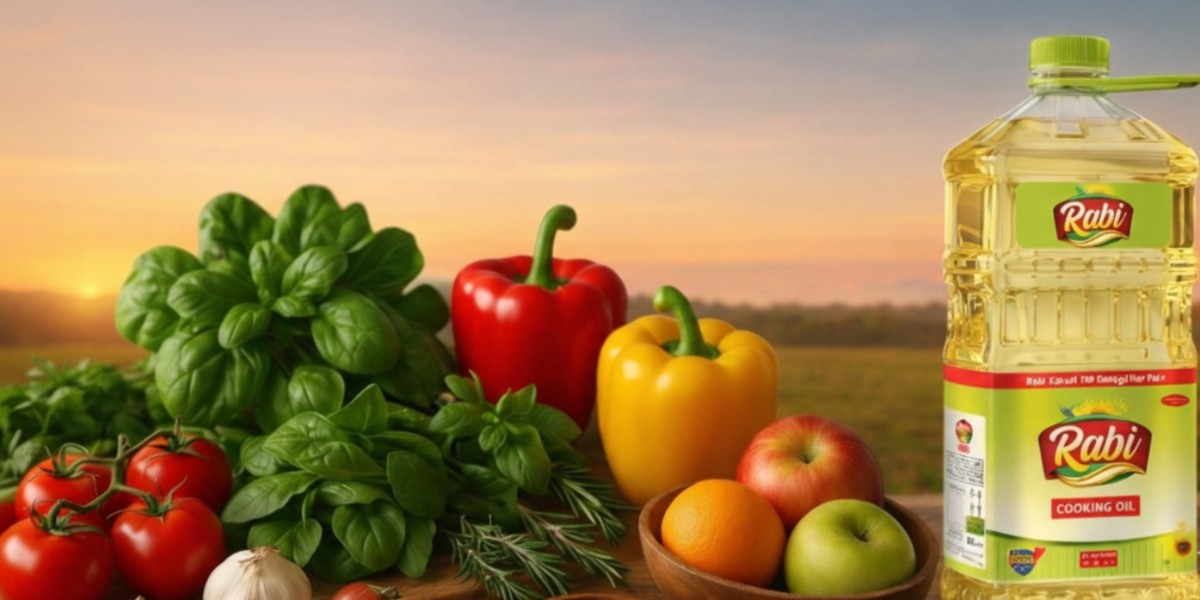
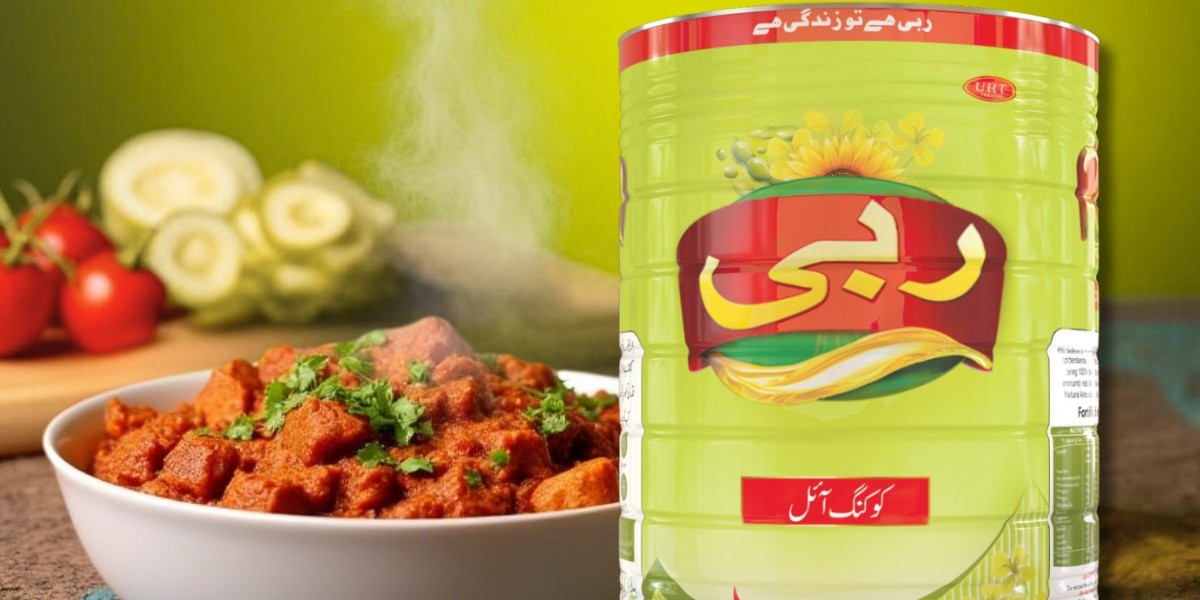
Rabi Cooking Oils are carefully crafted using modern refining technologies to ensure high quality, heat stability, and consistent taste. Designed for everyday cooking, they help reduce oil absorption while preserving essential nutrients, making meals lighter and healthier without compromising flavor.
By combining traditional cooking needs with modern nutritional standards, Rabi Oils provide families with a reliable choice for everyday meals, supporting smarter and healthier cooking practices in every kitchen.
Choosing the right oil and understanding how it performs during cooking can make a meaningful difference in daily health. Modern innovations in healthier cooking oils and cooking oil technology are helping families reduce oil absorption while enjoying their favorite dishes. By combining quality oils, proper cooking methods, and informed choices, it is possible to prepare meals that are both delicious and health-friendly.
Explore our range of Rabi Cooking Oils blogs and discover how quality, taste, and health come together in every meal.