Date: Jan 28, 2026
The cooking oil quality plays a crucial role in determining not only the taste of food but also its nutritional value and its impact on long-term health. From the moment oil is extracted and refined to the time it reaches your kitchen, several processes influence its purity, stability, and performance. Understanding how cooking oil quality is maintained helps families make informed choices for healthier everyday cooking.
Cooking oil quality refers to the oil’s purity, stability, nutritional composition, and performance under heat. High-quality oils are refined and processed in a way that removes impurities while preserving beneficial nutrients. Poor-quality oils, on the other hand, may break down quickly during cooking, leading to excess oil absorption and reduced nutritional value.
Key indicators of good cooking oil quality include:
The journey of cooking oil quality starts at the refining stage. Refining is a controlled process designed to remove unwanted substances such as free fatty acids, waxes, and impurities that can affect oil performance.
Each step plays an important role in ensuring that the final product is safe, stable, and suitable for everyday cooking.
Proper refining enhances the oil’s ability to withstand high cooking temperatures. Oils that are poorly refined tend to smoke early, degrade faster, and increase oil absorption in food.
High-quality refined oils:
This is particularly important in Pakistani kitchens, where frying and sautéing are common cooking methods.
Beyond refining, nutritional composition is another critical factor. Good-quality cooking oils contain a balanced mix of fats, including MUFAs and PUFAs, which support heart health when consumed in moderation.
Cooking oil quality is also influenced by:
Consumers who understand these aspects can better evaluate which oils suit their dietary needs.
Even the best-refined oil can lose quality if not stored properly. Exposure to heat, light, and air can cause oxidation, which negatively affects cooking oil quality.
Following these simple practices helps preserve oil quality from production to your kitchen.
Understanding labels, refining information, and usage recommendations empowers consumers to choose better oils. Trusted food and nutrition organizations often highlight the importance of oil stability and refining standards when discussing healthy cooking practices.
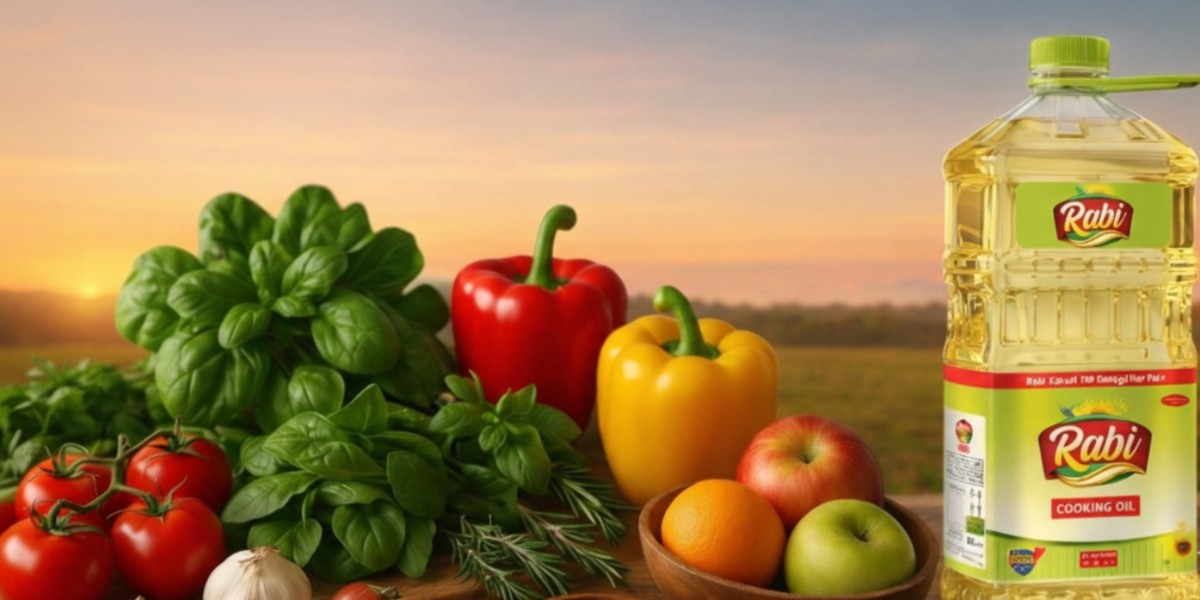
Rabi Foods ensures that every bottle of cooking oil meets strict quality standards. Using advanced refining techniques, the oils maintain nutritional value, heat stability, and a consistent taste. Designed for everyday cooking, Rabi Oils help families enjoy healthier meals without compromising flavor.
Understanding cooking oil quality from refining to kitchen use helps consumers make smarter, healthier choices. Proper refining, balanced nutrition, correct storage, and informed usage all contribute to better oil performance and improved meals. By prioritizing quality and awareness, families can enjoy cooking that is not only flavorful but also supportive of overall well-being.
For more tips on healthier cooking, oil quality, and smart kitchen practices in our Rabi Foods blog, where we share expert advice and practical guides for everyday meals