
Date: Sep 24, 2025
Heart health has become a major concern for families aiming to adopt healthier eating habits. One of the most important daily decisions that directly affects cardiovascular health is the choice of cooking oil. Among the many options available, canola oil and sunflower oil are often compared due to their widespread use and perceived health benefits. Understanding the nutritional differences between these two oils can help households make more informed, heart-healthy choices.
Cooking oils play a crucial role in regulating cholesterol levels, reducing inflammation, and promoting overall heart health. Oils high in unhealthy saturated fats may increase LDL (bad cholesterol), while oils rich in unsaturated fats support cardiovascular health.
When comparing canola oil vs sunflower oil for heart health, factors such as fatty acid composition, heat stability, and processing methods should be carefully evaluated. Not all oils behave the same way once exposed to high cooking temperatures, which can significantly impact their health benefits.
Canola oil is widely recognized for its heart-friendly composition. It contains a high amount of monounsaturated fats (MUFA), which are known to help reduce bad cholesterol levels while maintaining good cholesterol (HDL).
Key benefits of canola oil include:
Because of its mild flavor and versatility, canola oil is suitable for frying, sautéing, and baking without overpowering food taste. Its ability to remain stable at moderate to high temperatures makes it a popular option for heart-conscious households.
Sunflower oil is another commonly used cooking oil, particularly known for its light texture and neutral taste. It is rich in polyunsaturated fats (PUFA), especially omega-6 fatty acids, which play a role in heart health when consumed in balanced amounts.
Sunflower oil offers:
However, excessive omega-6 intake without proper balance may contribute to inflammation. Therefore, sunflower oil works best when used mindfully and not repeatedly overheated.
One of the most overlooked aspects when comparing canola oil vs sunflower oil is heat stability. Oils that break down at high temperatures may produce harmful compounds that negatively affect heart health.
Canola oil generally performs better in terms of thermal stability due to its balanced fatty acid structure. Sunflower oil, while suitable for cooking, requires careful temperature control to prevent oxidation.
Using stable oils helps:
This makes oil selection especially important in cuisines where frying and deep frying are common practices.
Both oils have their benefits, but the better choice depends on usage patterns. Canola oil is often preferred for everyday cooking due to its lower saturated fat and higher omega-3 content. Sunflower oil can still be part of a healthy diet when used occasionally and at controlled temperatures.
For families aiming to improve cardiovascular health, combining informed oil selection with proper cooking techniques leads to better long-term outcomes.
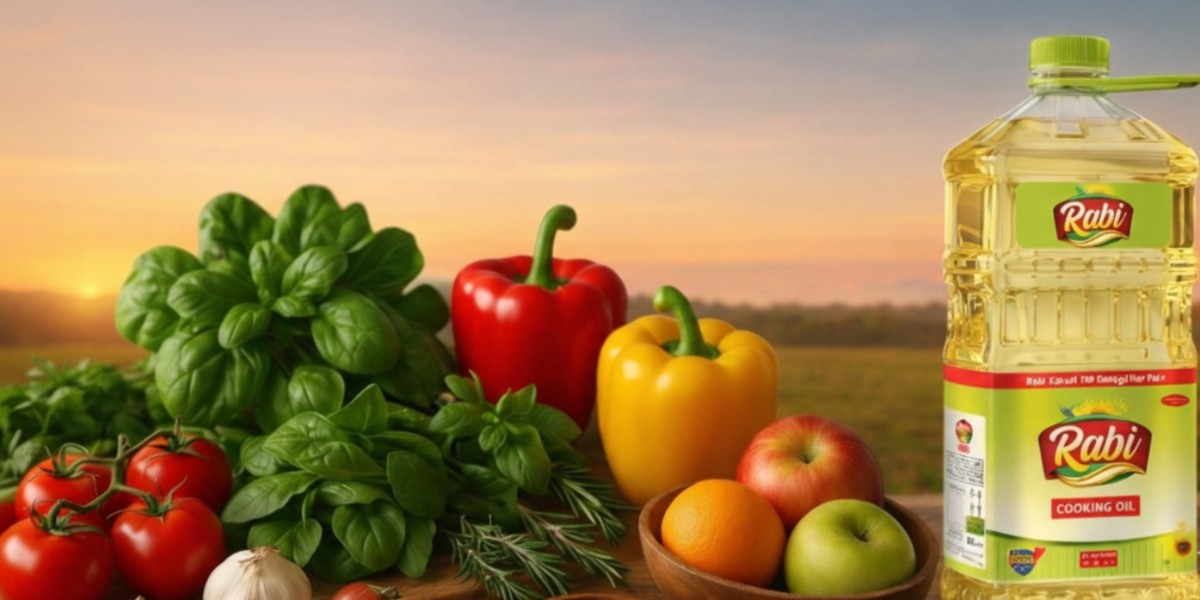
Rabi Cooking Oils are developed with a strong focus on quality, balance, and everyday usability. Using advanced refining technologies, Rabi ensures its oils maintain heat stability, nutritional integrity, and consistent performance during cooking.
Whether choosing canola or sunflower oil, Rabi Cooking Oils are crafted to support heart-friendly cooking by reducing unnecessary fat absorption and preserving essential nutrients. Designed for routine household use, they align traditional cooking needs with modern health standards, making them a reliable option for conscious families.
Choosing between canola oil and sunflower oil is not about selecting a single “perfect” option, but about understanding how each oil supports heart health. Factors such as fat composition, heat stability, and oil quality all contribute to healthier cooking outcomes. With informed choices and quality products, families can enjoy flavorful meals while protecting their heart health.
For more insights on healthy cooking, visit the Rabi Cooking Oils blog and make informed choices for your kitchen and heart health.